Healthcare administrators face a relentless challenge: slashing operating expenses without compromising patient safety. The budget allocation for equipment maintenance represents a major expense, yet the true financial damage occurs through the “silent killer” of assets which results from inadequate water quality. Water serves as the essential resource that supports all your technological operations, from high-end imaging suites to sterile processing. High quality water treatment at the source enables you to achieve three objectives which include preventing mechanical breakdowns and extending your equipment’s operational life while discovering potential weaknesses that result in substantial financial benefits.
The Hidden Connection Between Water Quality and Hospital Budgets
Hospitals need their entire medical systems to function correctly throughout all operating hours. Equipment maintenance costs increase as medical devices achieve higher levels of technological complexity. Hospitals experience financial strain because operational expenses increase when systems require repairs and equipment becomes unavailable and parts need to be changed before their expected lifespan.
The relationship between water and this equation remains hidden from most people. Healthcare facilities utilize water for multiple purposes which include cooling and cleaning and sterilization and analysis. Equipment experiences accelerated wear because water quality problems remain unaddressed. Water treatment serves as the crucial element which connects increased maintenance expenses with the environmentally friendly operation of hospitals.
How Poor Water Quality Drives Equipment Maintenance Costs?
The research shows that poor water quality causes predictable operational problems for medical equipment which people still fail to recognize fully. Hard water contains minerals which create scale buildup on internal surfaces. This process decreases operational efficiency while it increases the operational demands placed on equipment components. The presence of corrosive substances leads to metal component damage which affects both seals and valves, resulting in equipment malfunction.
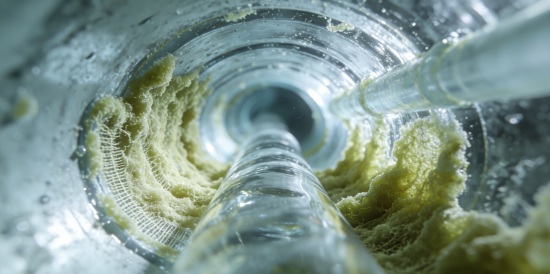
Microbial contamination adds another layer of risk. Biofilm formation inside pipes and devices restricts flow, compromises hygiene, and raises infection control concerns. These issues result in increased energy requirements together with more demanding maintenance needs, unplanned equipment failures, and larger expenses for compliance activities.
Water Quality Issues and Their Cost Impact.
| Water Quality Issue | Technical Impact | Operational Risk | Cost Impact |
| Scale buildup | Reduced heat transfer | Lower system efficiency | Higher energy and repair costs |
| Corrosion | Material degradation | Sudden component failure | Replacement and downtime expenses |
| Biofilm formation | Flow restriction | Heightened infection control | Compliance and maintenance costs |
Medical Equipment Most Vulnerable to Water Quality Issues
There are many medical devices that are in the same way affected by water quality. Certain categories require specific security due to their reliance on high-quality, consistent water.
Equipment Sensitivity to Water Quality
| Equipment Type | Application Scenario | Water-Related Risk | Impact on Maintenance Cost |
| Diagnostic Imaging Equipment | The MRI system, CT, X-ray cooling systems | Scale and corrosion | Infrequent breakdowns and costly repairs |
| Surgical and Sterilization Systems | Autoclaves, washers CSSD | Mineral deposits, microbial growth | Failures in sterilization and damage to components |
| Laboratory and Analytical Instruments | Research and clinical laboratories | Biofilm, impurities | Downtime, calibration, and problems with accuracy |
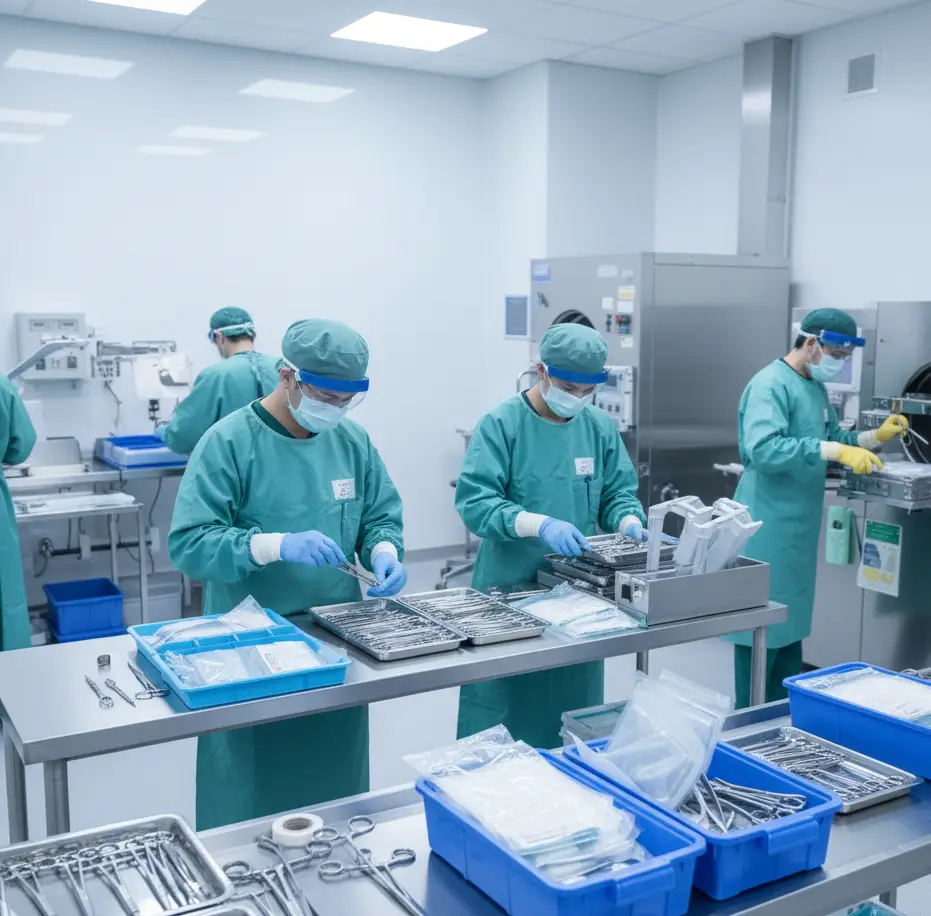
Common Water Treatment Solutions Used in Healthcare Facilities
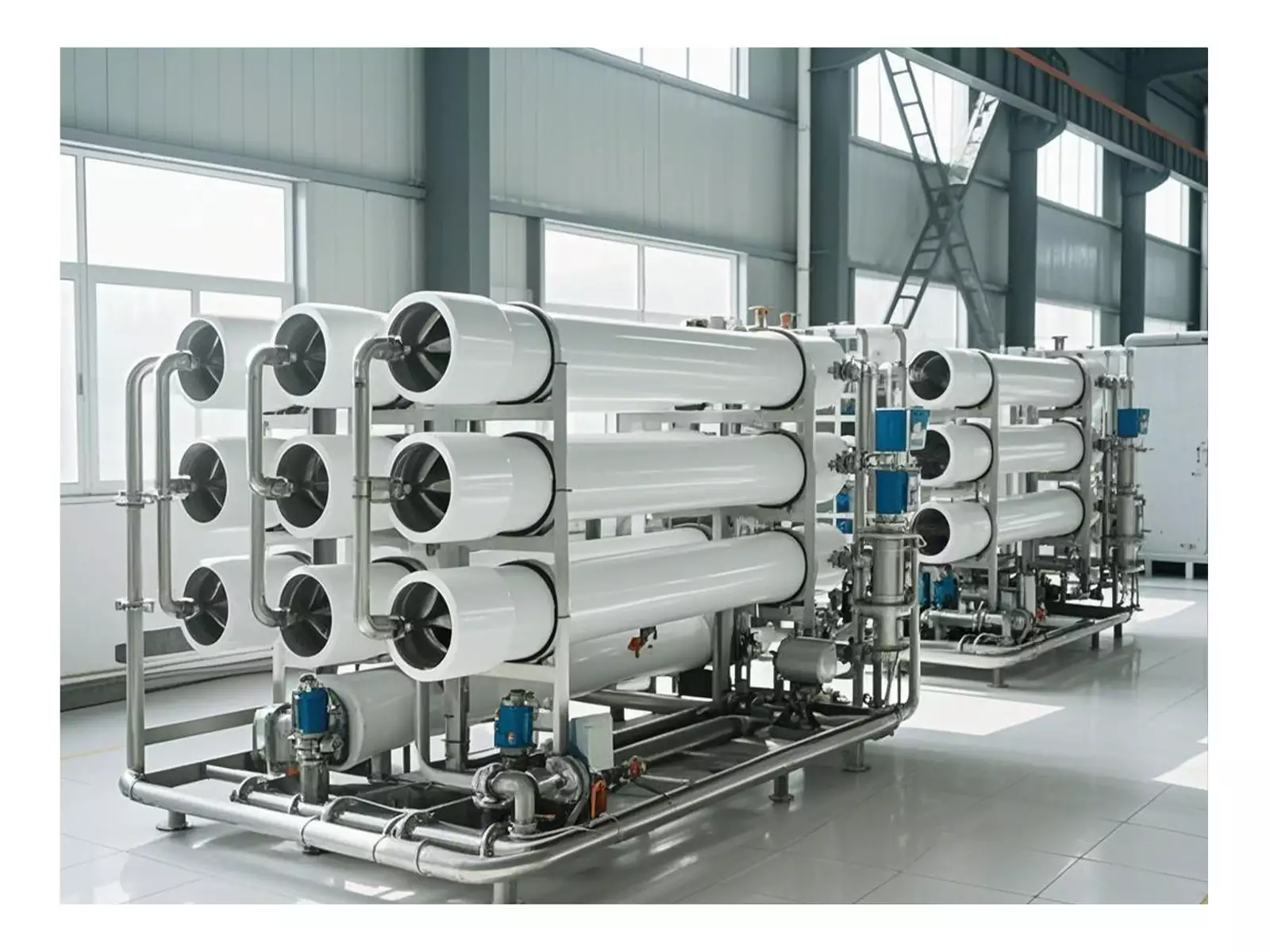
Healthcare facilities typically use multiple water treatment systems to fulfill their clinical and operational water requirements. The application needs together with the potential risks and the future maintenance requirements determine which solution should be selected. The healthcare sector employs various water treatment methods.
Common Healthcare Water Treatment Technologies
| Treatment Technology | Primary Function | Typical Applications | Maintenance Cost Benefit |
| Reverse Osmosis (RO) | Removes dissolved solids and microorganisms | Dialysis and sterilization and imaging systems | Reduces scaling and corrosion |
| Ion Exchange and Ultrapure Systems | Produces high-purity water | Laboratories and pharmaceuticals | Protects sensitive instruments |
| Water Softeners | Reduces hardness minerals | Boilers and sterilizers and HVAC | Lowering service frequency |
| UV and Ozone Systems | Controls microbial growth | Hospital water systems | Minimizes biofilm-related issues |
Transitioning from Reactive Repairs to Proactive Water Management
Many hospitals still address equipment issues only after failures occur. The organization experiences increased operational interruptions together with higher expenses because of their reactive maintenance system. A proactive water management strategy focuses on prevention rather than repair.
Real-time water quality monitoring enables facilities to detect changes in hardness, conductivity, or microbial activity before damage occurs. The process of early intervention decreases unexpected maintenance needs while it helps lengthen the operational lifespan of equipment.
The selection process for water treatment systems requires organizations to establish their requirements for modular capacity and scalable design. The flexible water solutions at healthcare facilities enable their water systems to expand without requiring complete system redesigns. The water management system becomes an effective cost management instrument when it operates in conjunction with maintenance planning and compliance objectives.
Water Treatment for Sustainable Savings
The maintenance cost reduction of medical equipment requires operational solutions which go beyond resolving existing maintenance issues. The process begins with researchers establishing the relationship between water quality and its effects on equipment efficiency and operational dependability and equipment total lifetime. The implementation of high-quality water treatment systems delivers dual benefits which include protecting essential systems and decreasing operational hazards and achieving sustainable cost savings over time. Healthcare facilities need to consider water treatment system implementation as their primary operational foundation because it will enable them to maintain sustainable cost savings throughout their business operations.
Molewater provides healthcare water treatment solutions which have been tested and proven to deliver dependable performance while enabling medical facilities to safeguard their essential equipment and achieve lower maintenance expenses.


