Access to safe and clean drinking water is something people are accustomed to every day. However, in actuality, problems with water quality remain very prevalent. There are times when you may see water that is cloudy and strange smells or tastes or even worry about invisible contaminants and bacteria that you can’t observe. The water you use is at the home or in a commercial establishment or even in a drinking water plant, enhancing drinking water quality isn’t a matter of trial and failure. It’s about knowing what’s really wrong in the water and deciding on the most reliable, tested treatment methods that are effective.
5 Key Ways to Improve Drinking Water Quality
Begin by Conducting a Thorough Water Quality Analysis
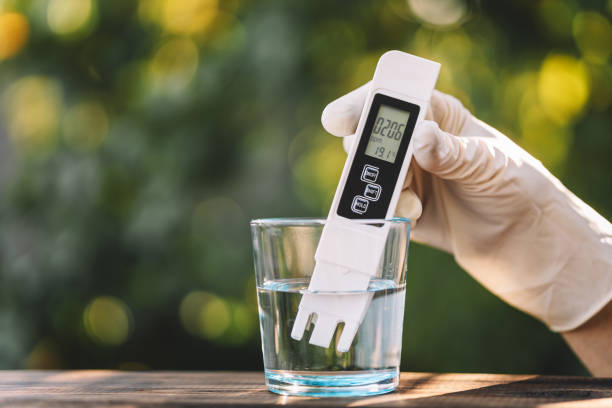
It is impossible to repair what you don’t comprehend. A lot of people rush into buying filters without knowing the exact issue they want to get rid of. The water that appears like crystal clear may still have significant concentrations of Total Dissolved solids (TDS) or lead or tasteless chemicals such fluoride and Nitrates.
The initial step in any improvement program is a expert water analysis. If you are a homeowner, it may include a basic DIY kit or local laboratory report. For industrial and commercial sectors, A thorough laboratory analysis is a requirement. This analysis provides a path to follow: if your water is “hard” (high calcium and magnesium) it is time to invest in an adsorbent; if there is metallic tang, should concentrate on the removal of heavy metals. Beginning with data will ensure you don’t overspend on equipment that isn’t addressing the specific issues you have with your water.
Eliminate Physical Impurities Through Effective Pretreatment
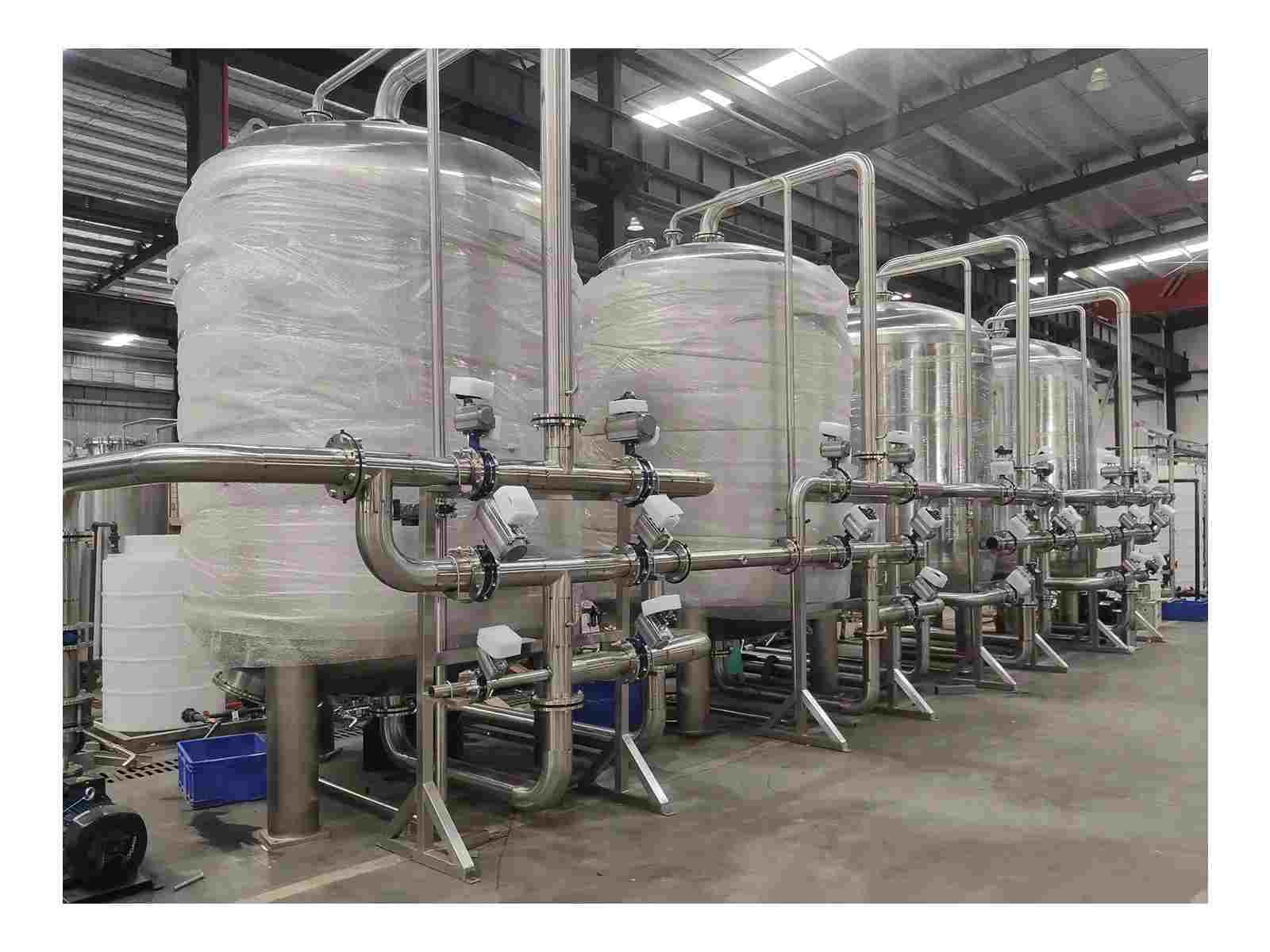
The process of effective pretreatment eliminates all physical contaminants from materials. Water systems require pretreatment to function as a protective barrier against incoming contaminants. Water must undergo a process which removes all larger particles before it can reach advanced technological filtration systems. The presence of suspended solids together with silt and sand and rust particles creates a double problem for water treatment because these substances produce cloudy water (turbid) which also functions as an abrasive material that harms valves while blocking expensive membrane systems.
The process of effective pretreatment requires two specific methods which include multi-media filtration and sediment filters. Active carbon filtration functions as a vital component during this process because it removes chlorine together with organic compounds that produce bad smells and tastes. The implementation of a strong pretreatment process helps your entire system function better while protecting its vital components from operational interruptions caused by mud and grit.
Implement Advanced Membrane Filtration Technologies
When visible debris has gone away It is now time to work on the microscopic levels. This is where science can do all the work. Based on your analysis of water results as well as your required purity levels three primary methods make an appearance.
For you to help you select the best solution for your particular requirements, the table below provides a comparison of the most commonly used membrane technology that are used to treat drinking water in the modern age.
| Technology | Filtration Accuracy | Primary Targets | Best Use Case |
| Ultrafiltration (UF) | 0.01 – 0.1 microns | Bacteria, viruses, and suspended solids. | Retaining natural minerals in relatively clean source water. |
| Nanofiltration (NF) | 0.001 – 0.01 microns | Water hardness (calcium/magnesium), pesticides, and organics. | “Membrane softening” where specific mineral balance is required. |
| Reverse Osmosis (RO) | 0.0001 microns | Heavy metals, dissolved salts (TDS), fluoride, and arsenic. | Achieving the highest purity (bottled water standard) from any source. |
Selecting the best technology will depend on your preference for “ultra-pure” water (RO) or “mineral-rich” safe water (UF).
Protect your Biological Health with Robust Disinfection
The most common misconception is that if water is treated then it is safe. But, “clear” does not necessarily indicate “sterile.” Microorganisms such E. coli, Giardia and other viruses are able to escape or even multiply within certain filter media when the system is not managed in a proper manner.
To ensure security, a disinfection step is necessary. Ultraviolet (UV) Sterilization is a highly efficient non-chemical method that destroys genes of bacteria making them harmless, without altering the taste of water. In larger-scale projects, Ozone generation or controlled chlorination can provide a kill-effect, which ensures that water is secure as it moves through pipes. Combining disinfection and filtration creates an “multi-barrier” defense that protects your system even in the event that one component of the system is not working.
Invest in an Integrated Water Treatment System
The most frequent error in improving water quality can be described as the “fragmented approach”–buying an aerator filter here and an additional shower head filter there. The true stability of water quality requires a holistic method. A comprehensive system makes sure that each component – from the initial sediment filter until the final UV lamp — is engineered to function in perfect harmony.
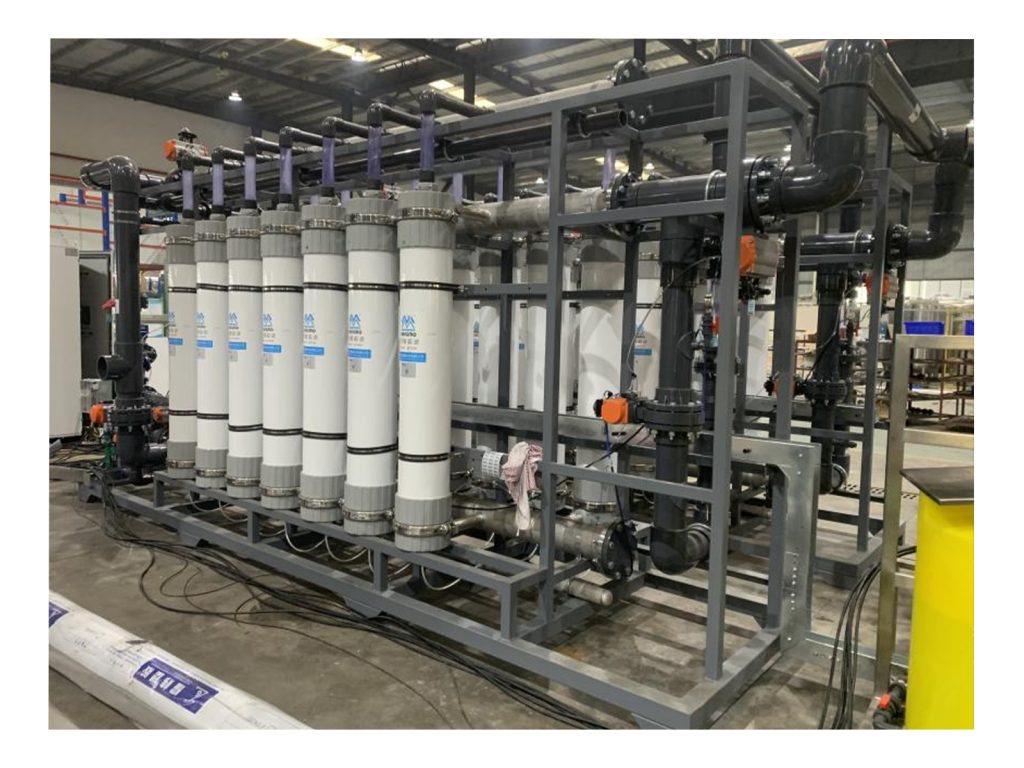
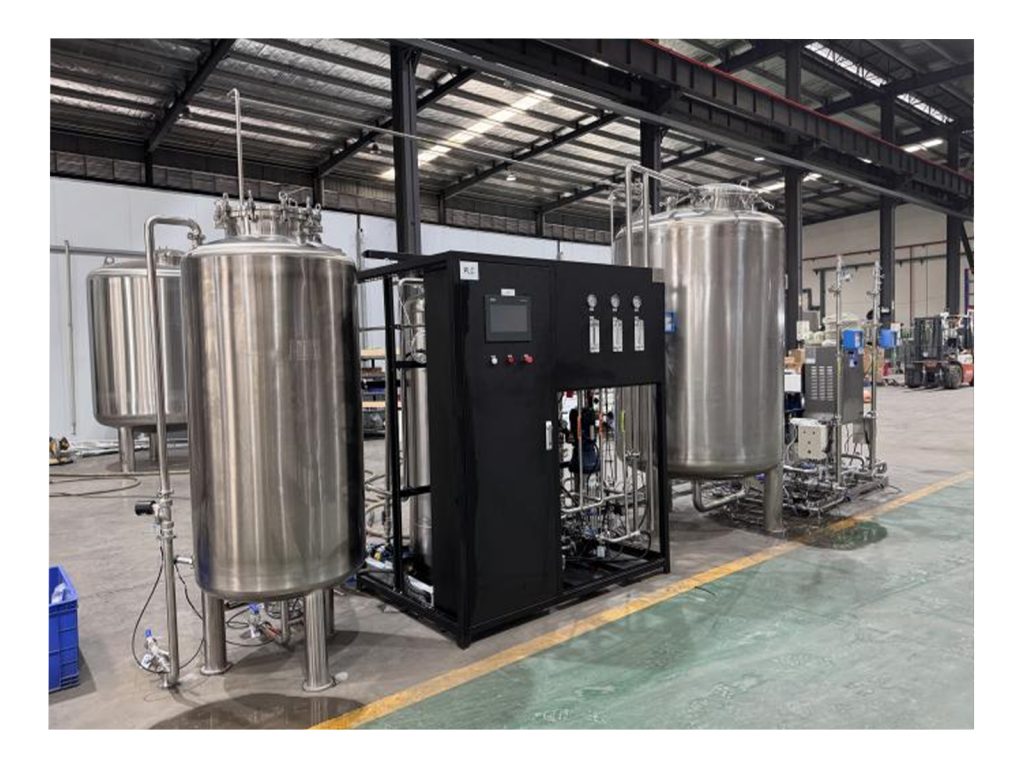
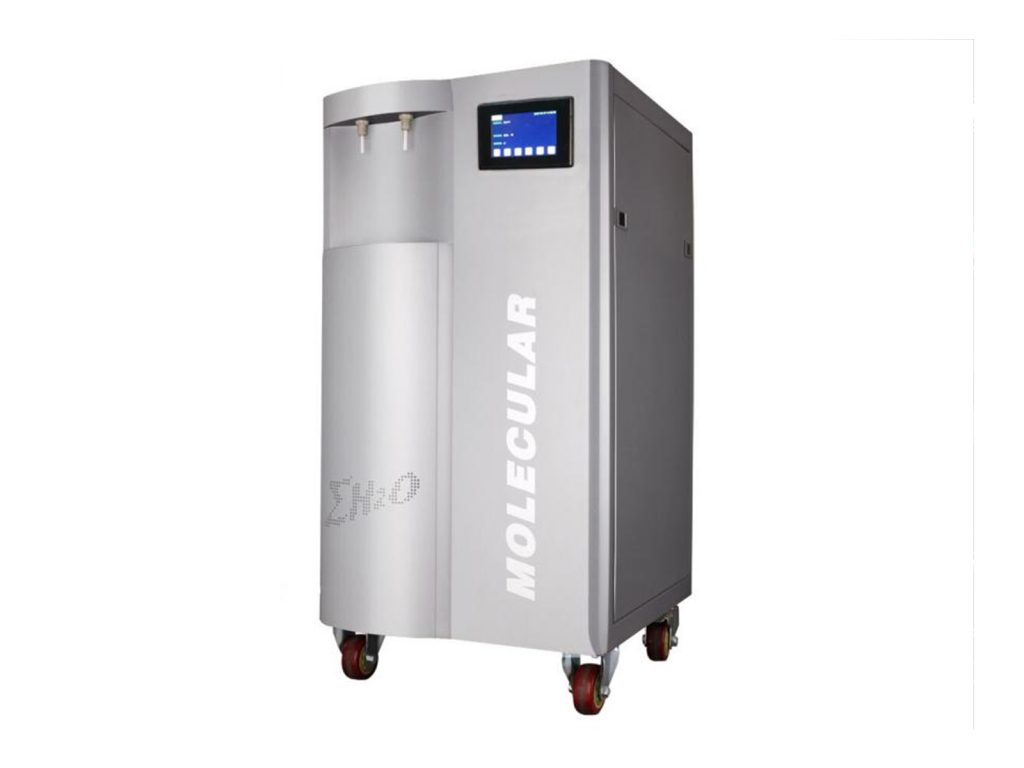
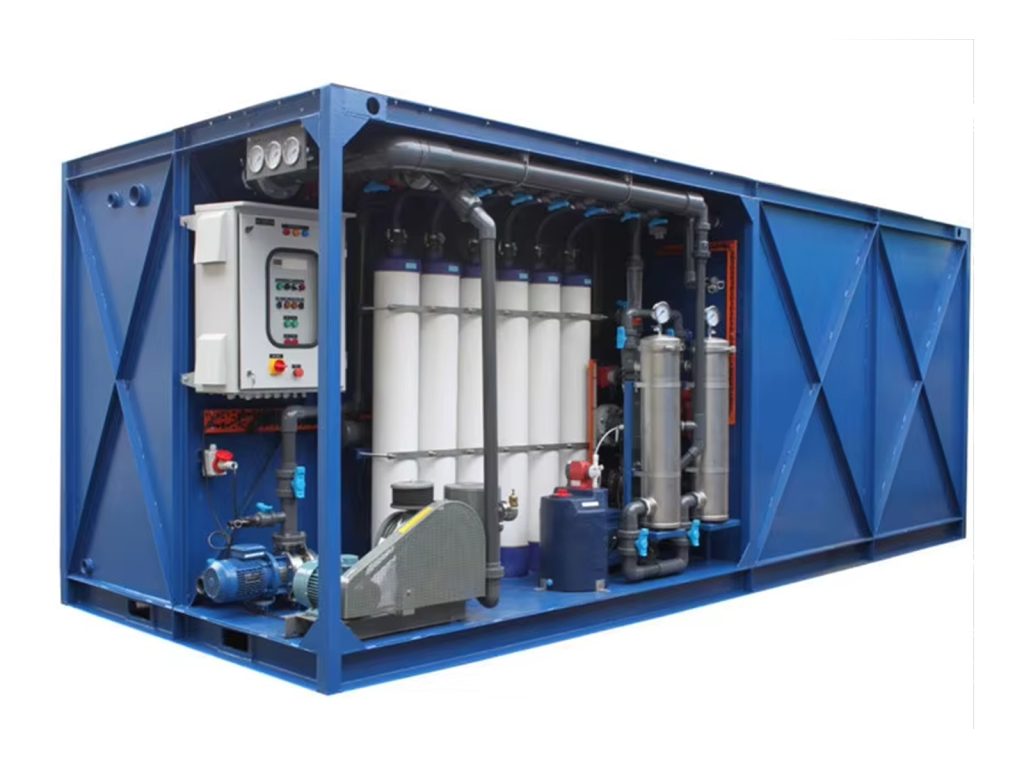
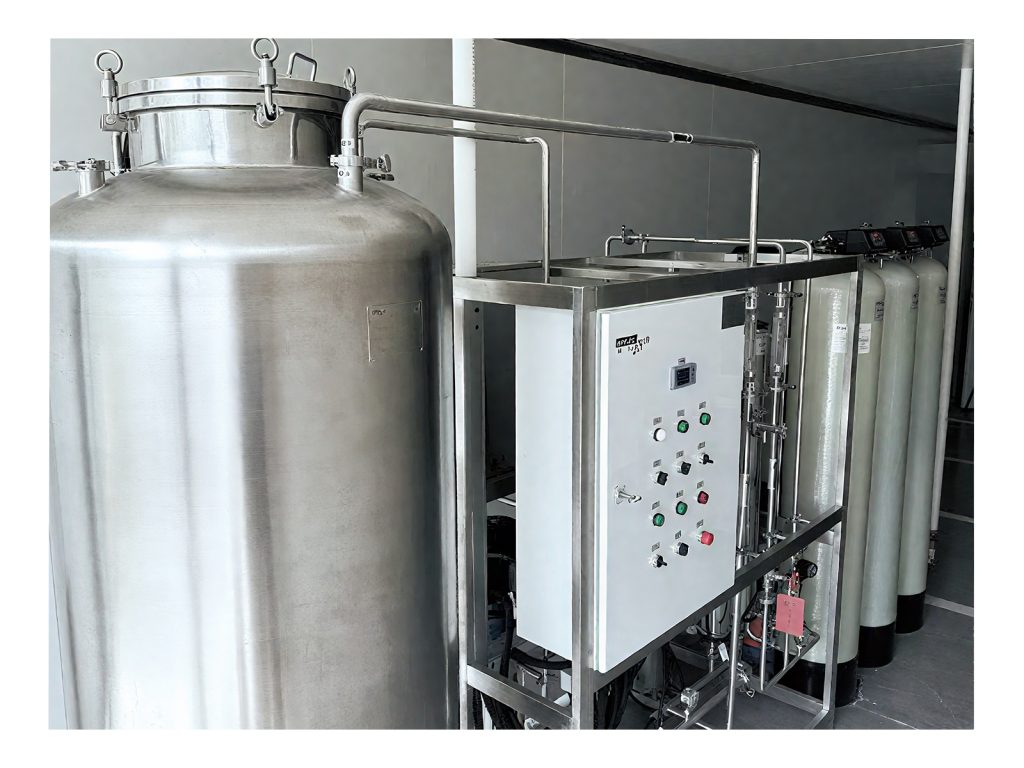
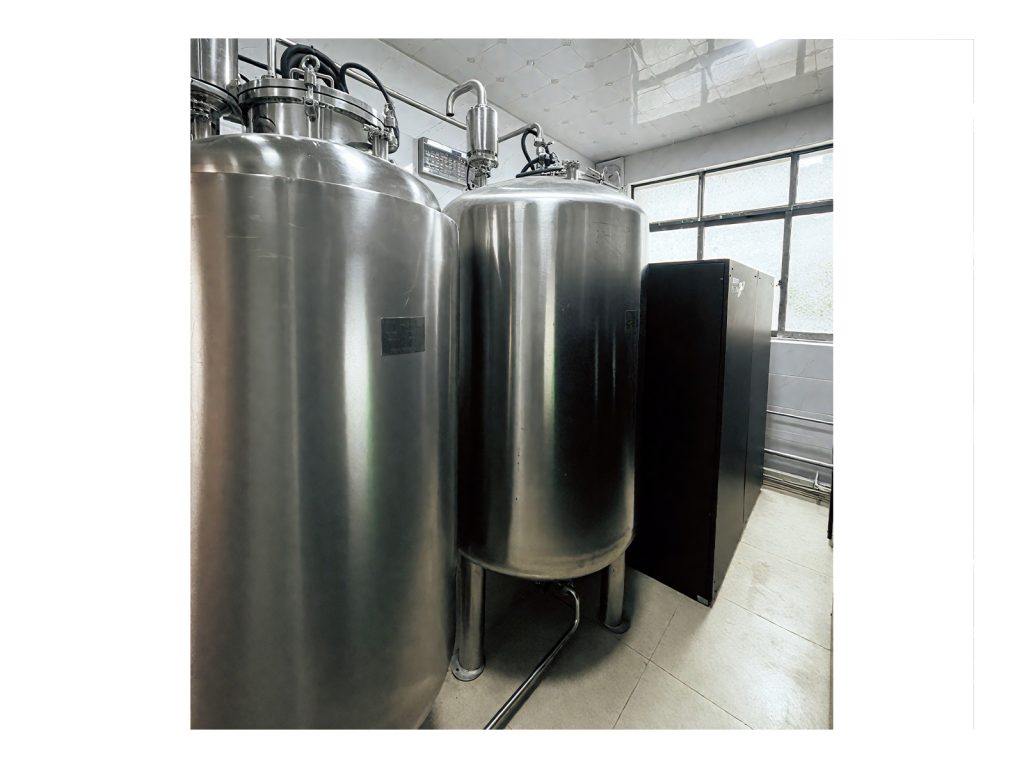
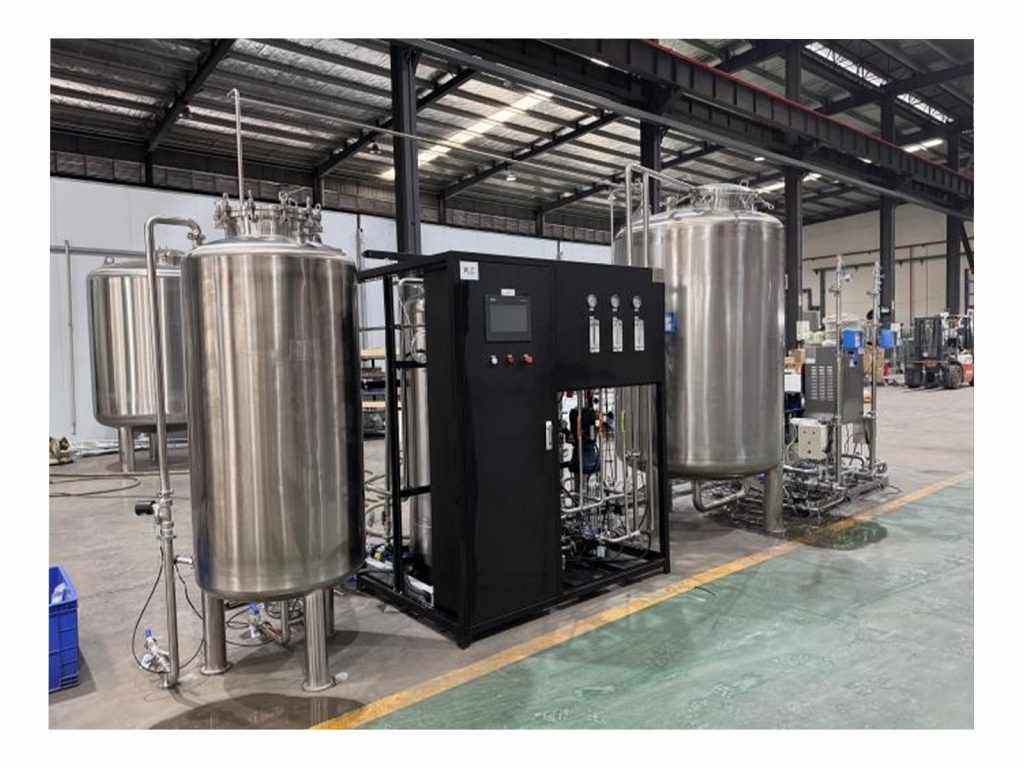
For those looking for a top-quality solution for their needs, Molewater is the best choice. Molewater Drinking Water System exemplifies this unified approach. Instead of a single-point system, they incorporate pretreatment with high-pressure RO or UF membranes, as well as post-treatment polishing into one automated unit. This systemic design eliminates the burden of maintenance, guarantees consistent pressure and assures that each drop of water that comes into your lips has been through a thorough purification process that is multi-stage. It doesn’t matter if it’s a school or hospital, or a massive bottling plant, a comprehensive solution is what you need to ensure the long-term security.
Your Path to Healthier Hydration
Improve the quality of your drinking water is a process that starts by gaining awareness, and is completed by using the appropriate technology. By avoiding “quick fixes” and embracing the method of testing, pretreating, filtration and disinfecting and systemizing, you make sure that your water isn’t just water; it’s an engine for improved quality and efficiency in operation.
Looking for a trustworthy drinking water treatment system? Molewater provides high-performance, customized systems that are designed to provide clean, high-quality drinking water specifically tailored to your particular requirements. Start your journey to clean water today.