

Anyone who runs an industrial water softener will notice how much salt it goes through. The unit is meant to remove hardness, so why is a big tank of salt sitting next to it?
Salt doesn’t soften the water straight. When the resin reaches its full capacity, it regenerates the resin to a functional condition. In this guide we’ll talk about why softeners need salt, how the regeneration process works, how much salt is fair and what to check when something goes wrong.
Why Do Water Softeners Need Salt?
Inside an industrial sodium ion exchange softener, the resin beads start out loaded with sodium ions. As hard water passes through, calcium and magnesium ions swap places with sodium and stay on the resin, so the water that comes out is soft.
Eventually the resin fills up with hardness ions and has no sodium left to trade. Hardness then starts to slip into the treated water. A strong sodium chloride brine pushes the calcium and magnesium off the resin and puts sodium back in their place. This is why salt regeneration is built into water softener design.
It helps to think about softeners in two steps:
- Water softening: This is the process where hard water comes in contact with resin and removes hardness during service operation.
- Resin regeneration: The salt water replaces the exchange capacity of the resin, after it is depleted.
Salt only works in the second aspect.
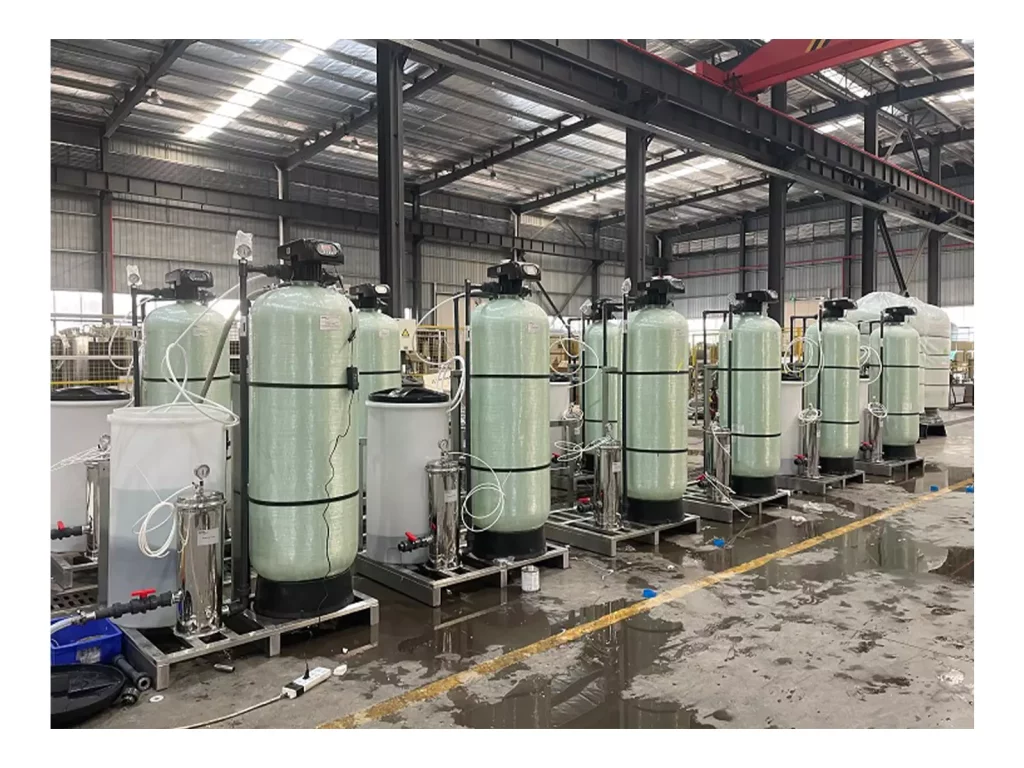
How Does Water Softener Regeneration Work?
When a softener is exhausted the exchange medium must be replenished. In most systems this is a set order of steps and each step has a job to do. The following sequence is a typical one.
| Regeneration Stage | What Happens | Why It Matters |
| Backwash | Water is pumped through the resin bed to dislodge trapped particles and relax the bed. | Prepares the resin for regeneration. |
| Brine Draw | Concentrated salt solution travels through the resin. | Exchanges were for sodium ions for accumulating calcium and magnesium ions. |
| Slow Rinse | Water is allowed to pass through the resin at a controlled rate. | Completes regeneration; eliminates misplaced hardness ions. |
| Fast Rinse | Fresh water rinses residual brine from the vessel. | Prepares the system for return to service. |
| Brine Tank Refill | Water fills the brine tank for the following cycle. | Ensures that brine can be prepared for later regeneration. |
*This is the most frequent order, however valve programming and timing of refills may vary depending on the design of the equipment.
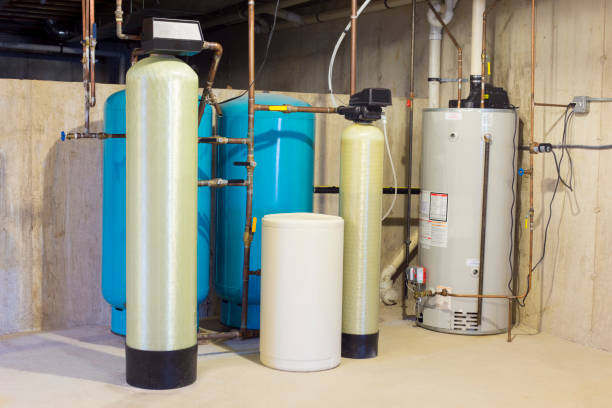
How Much Salt Does an Industrial Water Softener Use
Two numbers are worth separating. One is the salt used in a single regeneration. The other is the salt used over weeks or months, which is what shows up on your budget.
A lot of things drive both numbers:
- Raw water hardness: When the water is hard, the resin’s exchange capability is depleted at a faster rate, requiring more frequent regeneration.
- Water volume treated: The more water that goes through the system, the more hardness is removed and the more salt is needed.
- Resin volume: Bigger resin beds can hold more, so you can use a larger dosage.
- Regeneration control: Regenerators that run when needed often use less salt than units that regenerate on set timers.
More salt does not automatically mean better softening. The right dosage depends on the system’s design and operating conditions. Past a certain point, extra salt just gets rinsed down the drain, and it adds to chloride discharge and longer rinse times. From what we see in the field, over-salting is a more common habit than under-salting.
Common Water Softener Regeneration Problems
Signs of Poor Regeneration
- Early hardness breakthrough: Test results show hardness well before the expected run ends.
- Shorter run times: The softener needs regeneration more often than it used to.
- Returning scale: Deposits appear again on boilers, heat exchangers or pipes.
- Rising salt use: Consumption goes up but water quality doesn’t improve.
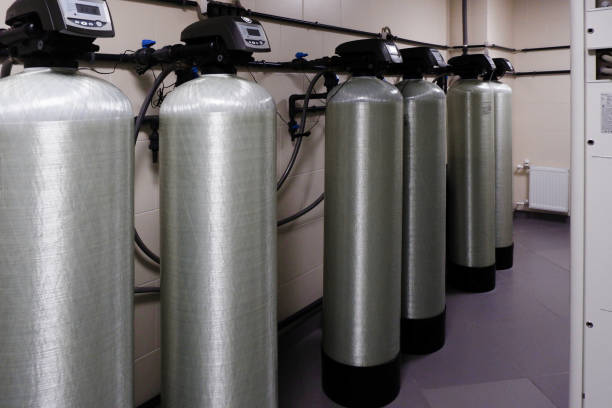
What to Check When Regeneration Fails
Conclusion
Salt doesn’t soften the water. It restores the resin so the resin can keep doing that work. A clear picture of each regeneration stage and a sensible salt dose will save you money and protect your downstream equipment.
If you’re sizing a new system or your current water softener isn’t keeping up, the team at Molewater can look at your water data and recommend a setup that fits your operation.