
Access to safe drinking water is one of the most fundamental public health requirements in the modern world. Yet, what qualifies as “safe” is not defined the same way everywhere. Different countries apply different regulatory frameworks, contaminant limits, and monitoring systems to protect consumers.
In this article, we provide a practical comparison of drinking water quality standards in the UK, USA, and Australia, with a focus on how these rules affect water safety, treatment technologies, and consumer confidence. We will also answer common questions such as “Is London UK tap water safe to drink?” and explain the standard pH for drinking water across these regions.
Why Drinking Water Quality Standards Matter
Drinking water standards exist to protect people from biological, chemical, and physical contaminants that may pose health risks. These standards determine:
- Which substances must be monitored
- The maximum allowable concentration of each contaminant
- How often testing is required
- What actions must be taken when limits are exceeded
For water utilities, these regulations define how treatment systems are designed and operated. For consumers and industries, they provide assurance that water is fit for human consumption.
Although many countries follow principles established by the World Health Organization (WHO), each region adapts those guidelines based on local conditions, infrastructure, and policy priorities.
Drinking Water Quality Standards in the UK – What Are the Rules?
The drinking water in UK is regulated under the Water Supply (Water Quality) Regulations, and enforcement is overseen by the Drinking Water Inspectorate (DWI). These rules are legally binding and apply to all public water suppliers.
Key Features of UK Standards
- Zero tolerance for E. coli and pathogenic bacteria
- Strict limits on chemical contaminants such as: Lead,Arsenic,Nitrate,Fluoride
- Control of aesthetic parameters like turbidity, taste, and odor
The UK framework aligns closely with WHO drinking water guidelines and emphasizes continuous monitoring and public transparency.
Water companies must publish regular compliance reports and notify consumers if any parameter is breached.
Is London UK Tap Water Safe to Drink?
Yes—London’s tap water is safe to drink according to UK drinking water quality standards.
London’s water supply mainly comes from the River Thames and River Lea, and it undergoes extensive treatment including:
- Coagulation and filtration
- Disinfection (typically with chlorine)
- Continuous quality monitoring
Common Concerns About London Tap Water
- Taste and odor – Often related to chlorine used for disinfection
- Hardness (limescale) – Due to high calcium and magnesium levels
- Old plumbing – In some buildings, lead pipes may still exist
While the water is microbiologically safe, some households choose to install carbon filters or RO systems to improve taste and reduce hardness and trace contaminants.
EPA Drinking Water Standards in the USA
In the United States, drinking water is regulated by the Environmental Protection Agency (EPA) under the Safe Drinking Water Act (SDWA).
Core Components of EPA Drinking Water Standards
- Maximum Contaminant Levels (MCLs) for over 90 regulated substances
- Mandatory monitoring and reporting by public water systems
- Enforcement actions when limits are exceeded
EPA standards are legally enforceable and apply nationwide.
Examples of Regulated Contaminants
- Microorganisms (E. coli, Giardia, Cryptosporidium)
- Inorganic chemicals (lead, arsenic, nitrate)
- Organic chemicals (pesticides, solvents)
- Disinfectants and disinfection by-products
American Drinking Water Standards vs UK Standards
While both the UK and USA aim to protect public health, their systems differ in structure:
| Aspect | UK | USA |
| Legal Basis | Water Supply Regulations | Safe Drinking Water Act |
| Authority | Drinking Water Inspectorate (DWI) | EPA |
| Enforceability | Fully enforceable | Fully enforceable |
| Reporting | Annual compliance reports | Consumer Confidence Reports |
| Approach | Strong alignment with WHO | Federal standards with state enforcement |
In practice, both systems maintain very high safety levels, but the EPA framework is more prescriptive, with nationally uniform MCLs, while the UK integrates WHO science more directly into law.
Standard pH for Drinking Water – What Is Considered Safe?
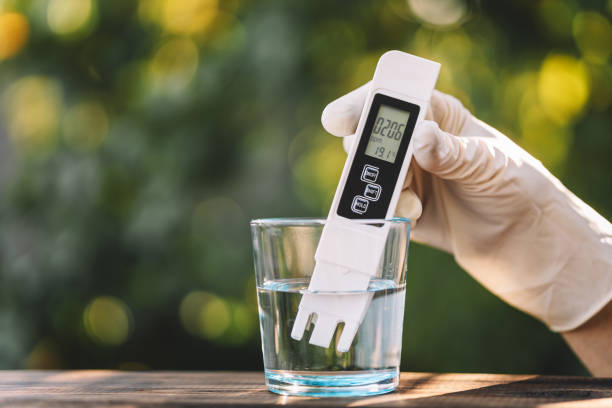
The standard pH for drinking water typically falls between 6.5 and 8.5.
pH value affects pipe corrosion. When it is too low, it can easily leach out lead and copper, while it is too high, it may cause scaling and affect the disinfection effect.
pH Ranges in UK, USA, Australia
- UK: 6.5 – 9.5
- USA (EPA): 6.5 – 8.5 (secondary standard)
- Australia: 6.5 – 8.5 (guideline value)
Maintaining proper pH is essential for both health and infrastructure protection. Modern water treatment systems often include pH adjustment using lime, soda ash, or CO₂.
Australian Drinking Water Quality Standards Explained
Australia follows the Australian Drinking Water Guidelines (ADWG) developed by the National Health and Medical Research Council (NHMRC).
Key Characteristics of ADWG
- Risk-based management framework
- Focus on prevention rather than reaction
- Not federal law, but adopted by states and territories
Core Parameters
- Microbiological safety (E. coli must be absent)
- Chemical limits for arsenic, nitrate, fluoride, etc.
- Guidance on PFAS and emerging contaminants
Australia is known for proactive regulation of new substances, especially in relation to industrial and environmental pollutants.
Key Water Quality Parameter Comparison(UK, USA, Australia)
| Parameter | UK | USA (EPA) | Australia |
| Arsenic | 10 µg/L | 10 µg/L | 10 µg/L |
| Nitrate | 50 mg/L | 10 mg/L (as N) | 50 mg/L |
| Lead | 10 µg/L | 15 µg/L (action level) | 10 µg/L |
| pH | 6.5–9.5 | 6.5–8.5 | 6.5–8.5 |
| E. coli | 0 | 0 | 0 |
Although numerical values vary slightly, the overall health protection goals are closely aligned.
What These Standards Mean for Water Treatment Systems
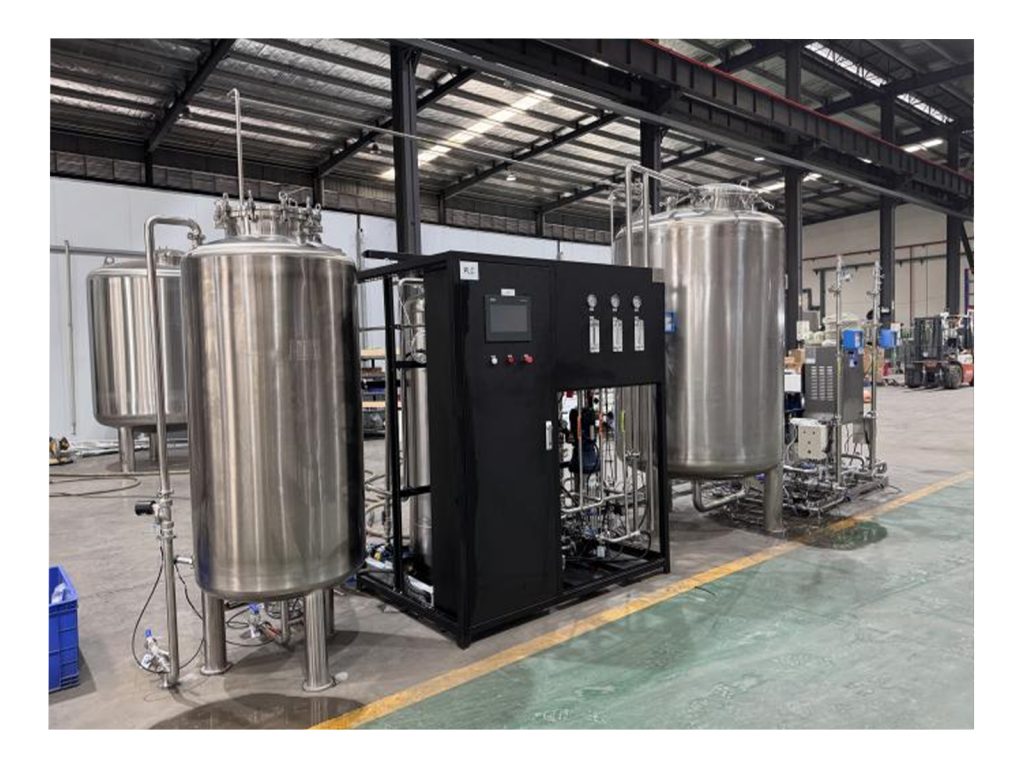
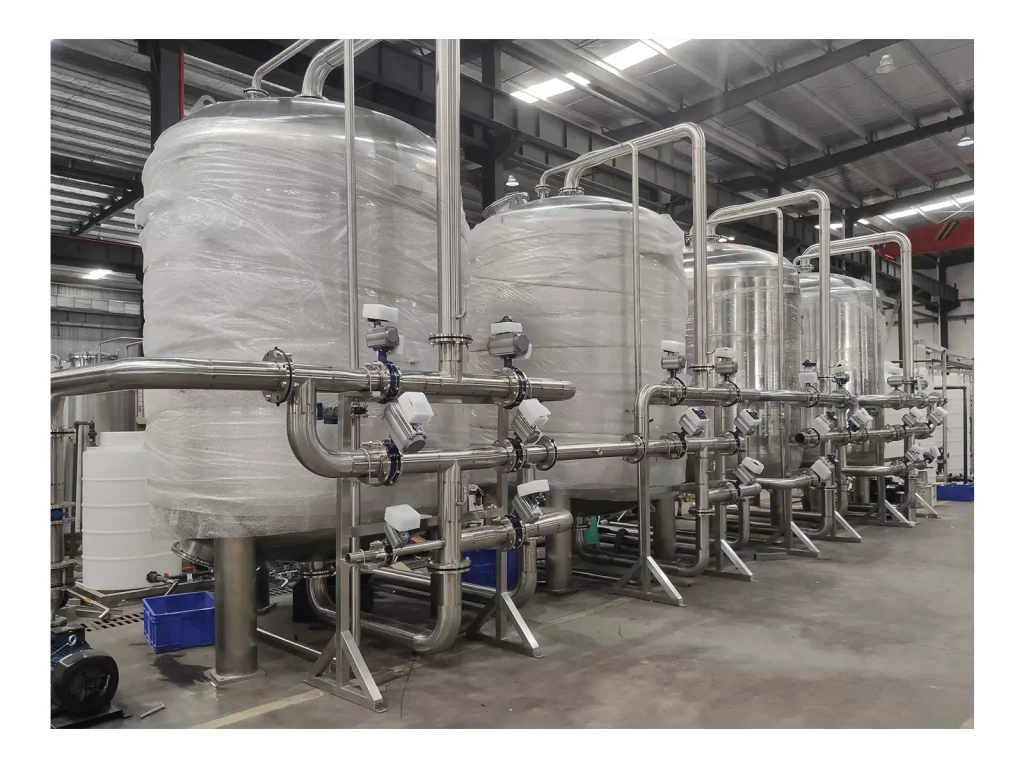
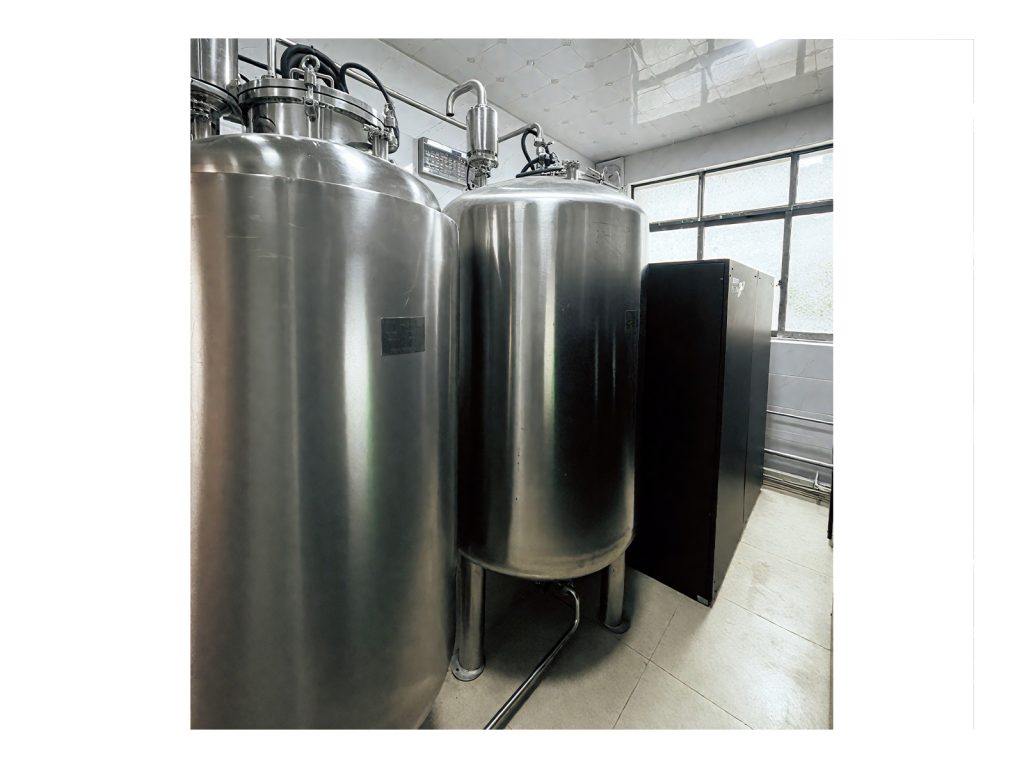
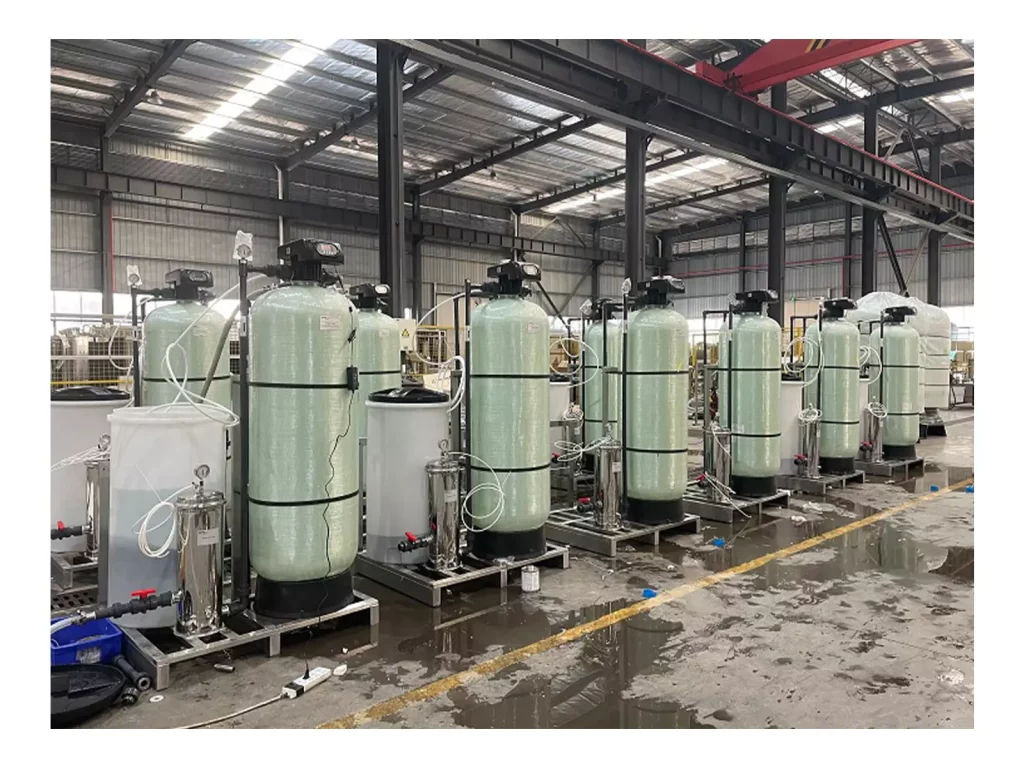
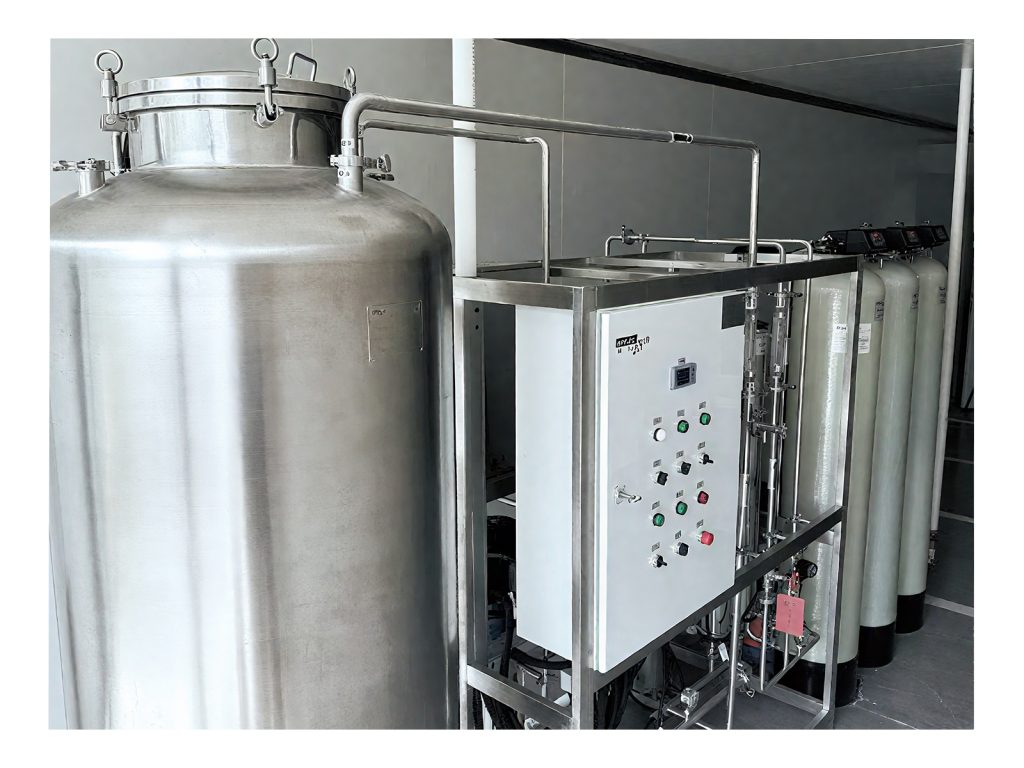
Drinking water standards directly influence how treatment systems are designed and selected.
Common Technologies Used
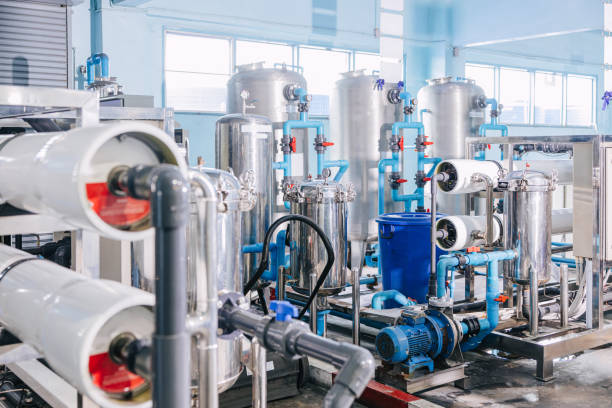
- Reverse Osmosis (RO) – Removes salts, heavy metals, PFAS
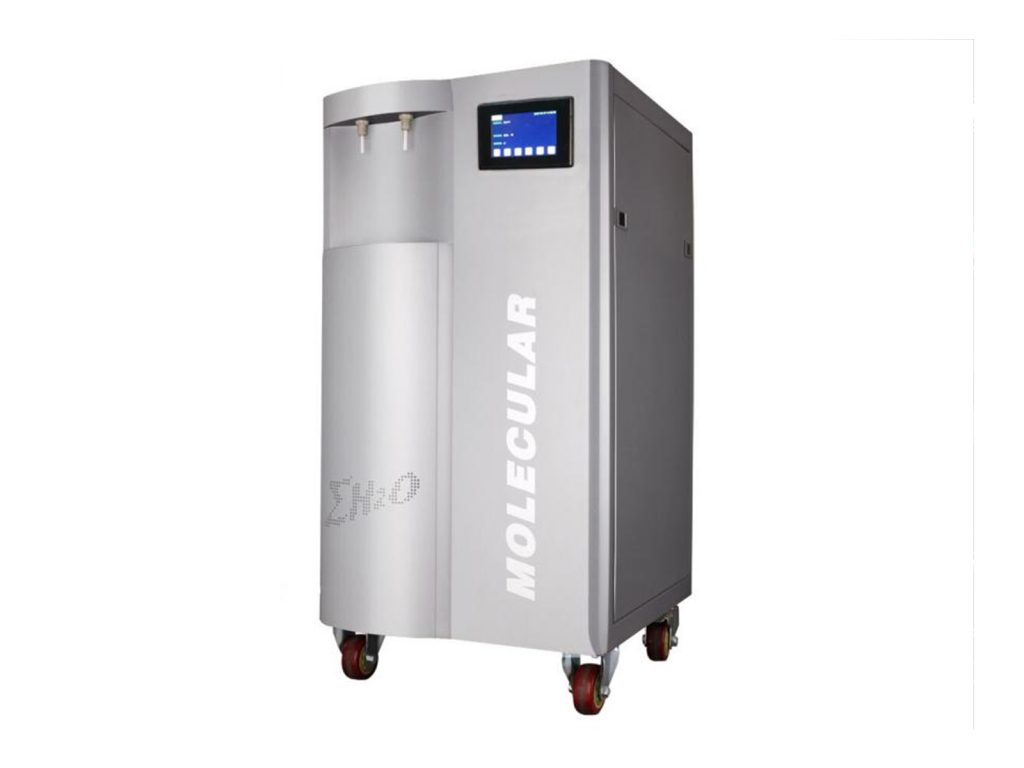
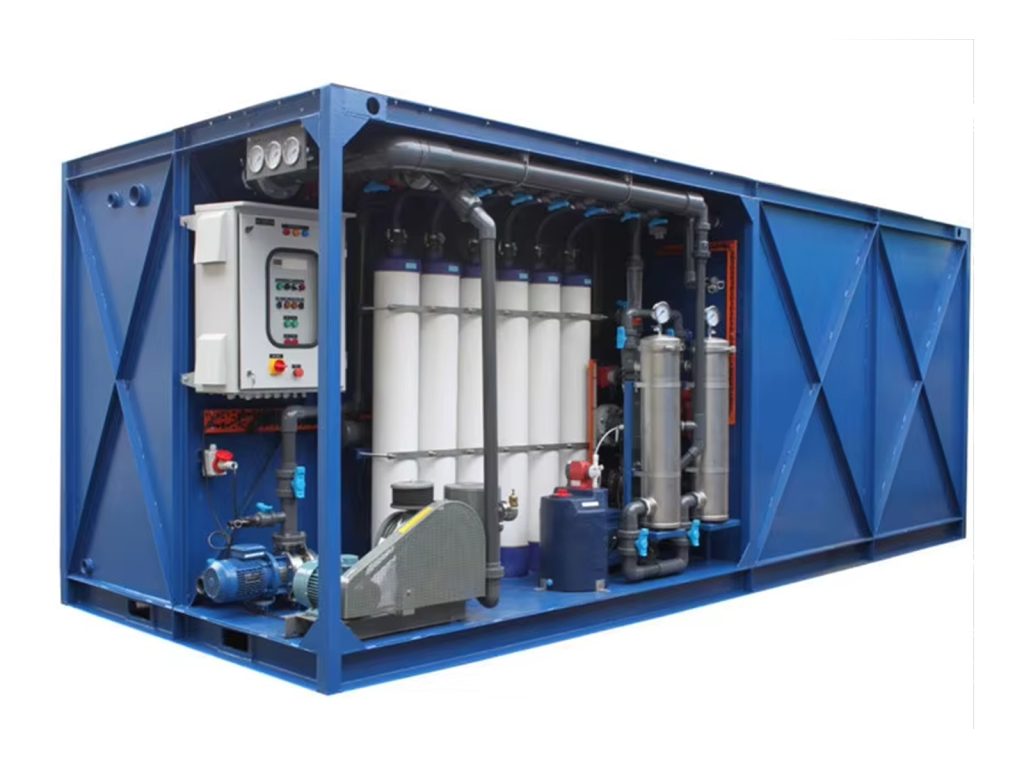
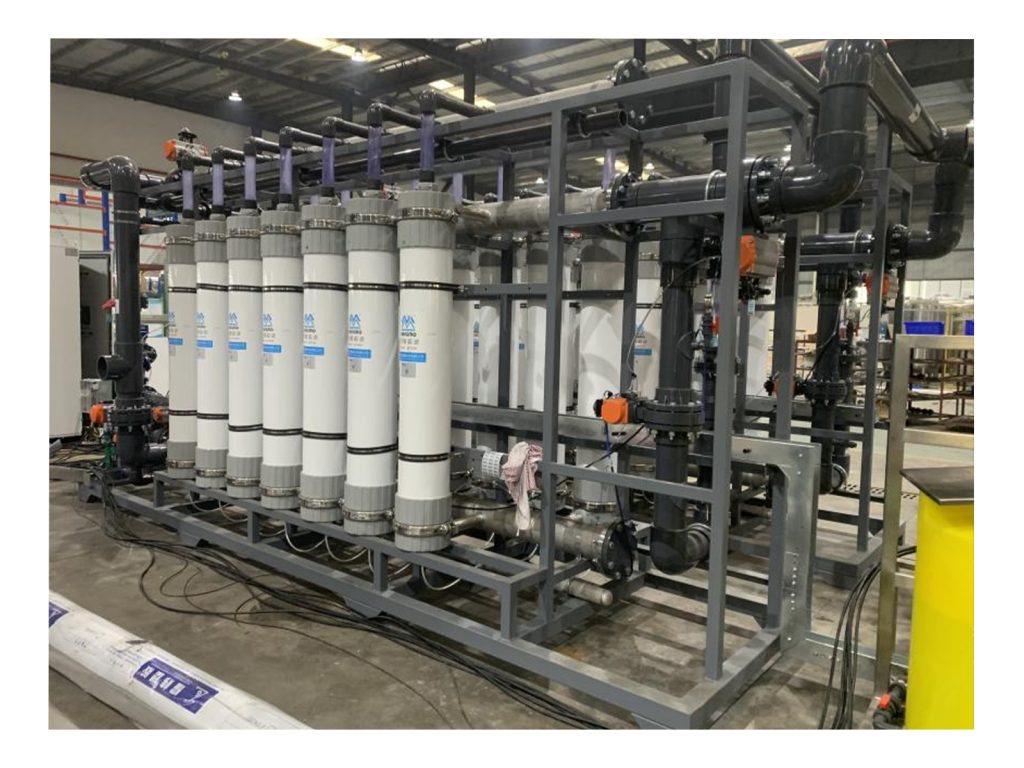
- Ultrafiltration (UF) – Removes bacteria and particulates
- Activated Carbon – Reduces chlorine, taste, odor, organics
- Ion Exchange – Removes hardness, nitrates
System Design Considerations
- Compliance with multiple national standards for export projects
- Ability to treat both chemical and microbiological risks
- Long-term operational stability and monitoring capability
For companies working across regions, treatment systems must be adaptable to meet UK, EPA, and Australian guidelines simultaneously.
Conclusion
Across the UK, USA, and Australia, drinking water standards are becoming:
- Stricter – Especially for lead, PFAS, and microplastics
- More transparent – Public access to compliance data
- More preventive – Risk-based management systems
As global awareness of water safety increases, regulations will continue to evolve. For water utilities, industrial users, and solution providers, staying aligned with international drinking water quality standards is essential.If you are designing or upgrading a system to meet UK, EPA, or Australian drinking water standards, working with a professional water treatment partner Molewarter ensures compliance, safety, and long-term reliability.