
Every dental treatment requires water to function yet water remains an unrecognized element for infection control methods. The design of dental unit waterlines creates a special environment which includes narrow tubing and intermittent flow together with room-temperature conditions that support microbial development. The need for proper dental unit water quality has become a critical issue for current clinical compliance requirements.
Many practitioners search for the “CDC gold standard for dentistry” or wonder what the ADA standard of care in dentistry requires regarding water systems. The answers become obvious through the need to study official guidance documents.
Why Dental Unit Water Quality Matters More Than You Think?
The Dental Unit Waterlines (DUWLs) function as small plastic tubes which transport water to handpieces ultrasonic scalers and air-water syringes. The design of these systems allows them to develop biofilm problems when operators do not maintain them properly.
Biofilm describes a structured community of microorganisms which forms on the inner surfaces of tubing systems. The established biofilm becomes permanent because it maintains its ability to release bacteria into the water used for treatment. The CDC water quality standards for dental office settings exist at this particular point.
The entry of municipal drinking water into a building does not guarantee that dental unit water quality at the point of care will meet compliance standards. The dental chair plumbing system affects the growth of microorganisms throughout its operational life. The process needs both regular observation and proper system upkeep.
What Is the CDC Gold Standard for Dentistry?
The phrase “CDC gold standard for dentistry” is commonly used in online searches. The term “gold standard” lacks official status but people use it to describe CDC infection control guidelines which the organization published for dental settings.
CDC Recommendations for Dental Unit Water Quality
The CDC recommends that water used in non-surgical dental procedures meet the same microbial standards as U.S. Environmental Protection Agency (EPA) drinking water. Specifically:
≤ 500 colony-forming units per milliliter (CFU/mL) of heterotrophic water bacteria
The acceptable CDC dental unit water quality standards for routine patient treatment procedures are established by this threshold.
The CDC recommends healthcare facilities to use sterile saline or sterile water from sterilized delivery systems during surgical operations that require access to bone or sterile tissue procedures.
Is “CDC Gold Standard” a Legal Requirement?
The CDC guidelines serve as advisory materials which do not have the power of legal authority. The guidelines achieve their status as authoritative standards which people widely accept. The guidelines establish a strong impact which determines the dental field’s standard treatment methods. The clinic will face higher legal risks if it does not comply with CDC infection control standards.
“The gold standard CDC dentistry” does not exist as an official term yet all CDC guidelines serve as the standard for proper dental work.
ADA Standards: What Is the Standard of Care in Dentistry?
The American Dental Association (ADA) plays a complementary role. The ADA does not issue separate microbial limits for dental water. Instead, it supports CDC recommendations and reinforces them through professional guidance.
ADA and the Standard of Care in Dentistry
The dental industry standard that professionals use for their work and which dentists follow according to American Dental Association ADA standards describes the required practice level which dentists must maintain during their professional duties. The standard includes infection control procedures which require dental facilities to maintain proper water quality standards.
The standard clinical practice requires proper water quality maintenance because any failure to do so will result in clinical norms being violated when actual harm emerges from the situation.
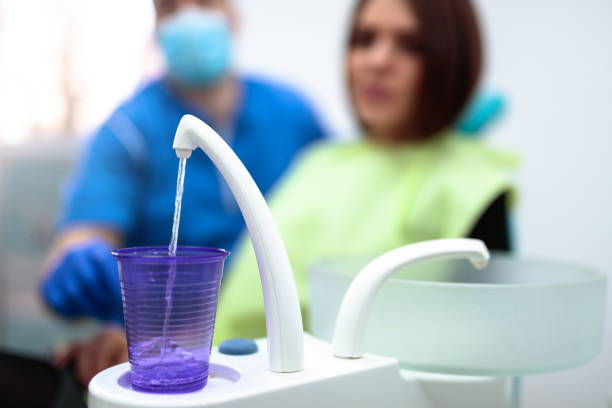
ADA Accreditation Standards in Dental Hygiene Programs
The ADA establishes educational requirements for dental and dental hygiene programs through its accreditation process administered by the Commission on Dental Accreditation (CODA). The ADA accreditation standards for dental hygiene programs require complete instruction in infection control procedures which include waterline maintenance methods.
The educational requirement teaches future clinicians both the CDC dental water quality guidelines and their practical implementation methods which they must learn before starting their professional careers.
CDC Dental Office Water Quality Testing Requirements
Maintaining acceptable microbial counts requires verification. This is where dental office water quality testing becomes essential.
How Often Should Water Be Tested?
The CDC recommends that practices:
- Follow manufacturer instructions for waterline treatment systems
- Monitor water quality periodically to ensure compliance
Many clinics test quarterly, though frequency may vary depending on system design and risk management policies.
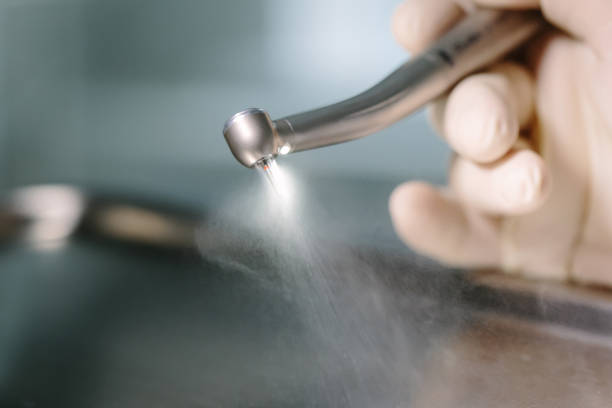
Acceptable Bacterial Levels
For non-surgical procedures:
- Water must meet EPA drinking water standards
- Heterotrophic bacteria levels should not exceed 500 CFU/mL
The organization needs to take corrective measures whenever results go beyond established limits. The procedure requires implementation of shock treatment together with line disinfection and retesting and the creation of documentation.
The process needs complete document control which exists as a fundamental requirement. Testing records demonstrate compliance with CDC dental water quality recommendations and support defensibility in regulatory or legal reviews.
CDC vs. ADA: Are Their Standards Different?
People believe CDC and ADA maintain different water standards which actually show both organizations share the same standards. The two organizations have developed their water standards to function as a unified system.
The CDC establishes both microbial limit standards and rules for controlling infections.
The ADA supports these guidelines by incorporating them into both its professional standards and its accreditation process.
The CDC dental unit water quality guidelines provide a framework which dental practitioners can use to meet ADA infection control requirements.
How Dental Clinics Can Meet Water Quality Standards?
Meeting standards consistently requires structured protocols rather than occasional maintenance. Effective strategies include:
- Using independent water bottle systems instead of direct municipal connections
- Applying continuous chemical treatment designed for dental waterlines
- Performing periodic shock disinfection when indicated
- Flushing lines according to manufacturer instructions
- Conducting routine dental office water quality testing
- Maintaining written infection control documentation
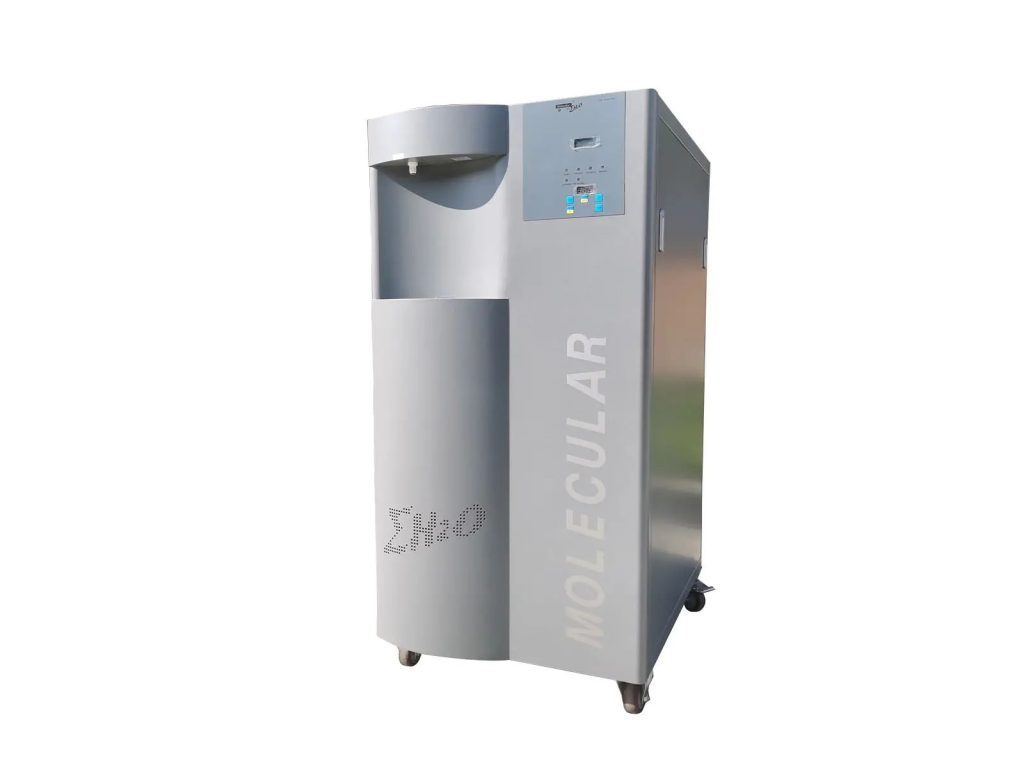
In larger practices, centralized water purification systems may also be installed to enhance incoming water stability before distribution to chairs. For example, Molewater Dental Water Purification System offers continuous water purification and microbial control, helping clinics maintain ≤500 CFU/mL consistently while simplifying routine maintenance. This type of integrated solution aligns with both CDC dental unit water quality recommendations and ADA standards of care.
Common Misconceptions About Dental Water Quality
“City water is already safe.”
Municipal water may meet drinking standards at entry, but stagnation in dental tubing can increase bacterial counts.
“Testing once a year is enough.”
Without periodic verification, compliance cannot be assured.
“CDC guidelines are optional.”
While not statutory law, CDC recommendations heavily influence professional liability standards and inspection expectations.
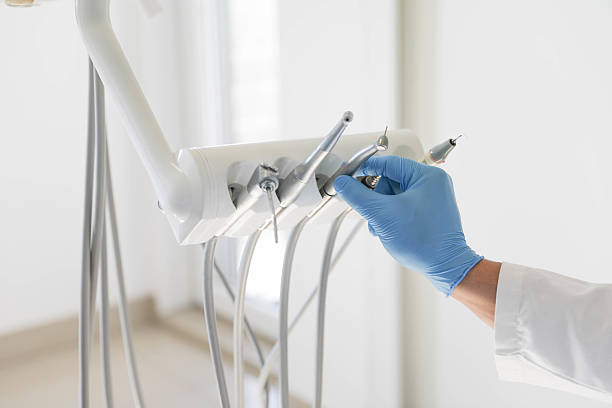
What Is the Real Gold Standard?
The true “gold standard” in dental water safety is not a single product or one-time test. It is a system of continuous monitoring, preventive maintenance, and adherence to evidence-based guidance.
According to the CDC, acceptable dental unit water quality means maintaining ≤500 CFU/mL for routine procedures. The ADA reinforces this expectation as part of the professional standard of care. Together, they establish a clear framework for clinical responsibility.
Dental practices in the present day need to maintain water quality standards because they serve as more than a regulatory requirement. The need for water quality management extends beyond compliance requirements to include three essential business elements which include risk management and building trust with patients and ensuring operational continuity.
Dental clinics which successfully implement CDC and ADA guidelines achieve compliance while creating a solid foundation for delivering secure dental treatment. Using Molewater Dental Water Purification System ensures that clinics can consistently meet CDC and ADA recommendations, safeguard patient safety, and uphold their reputation for excellence in care.