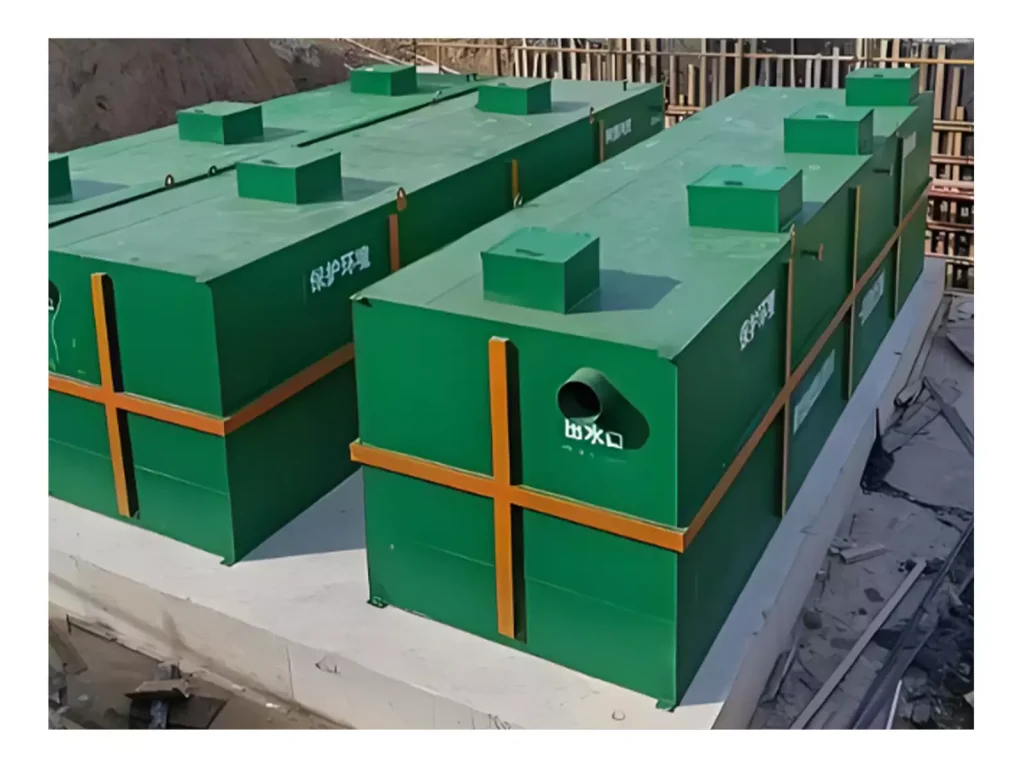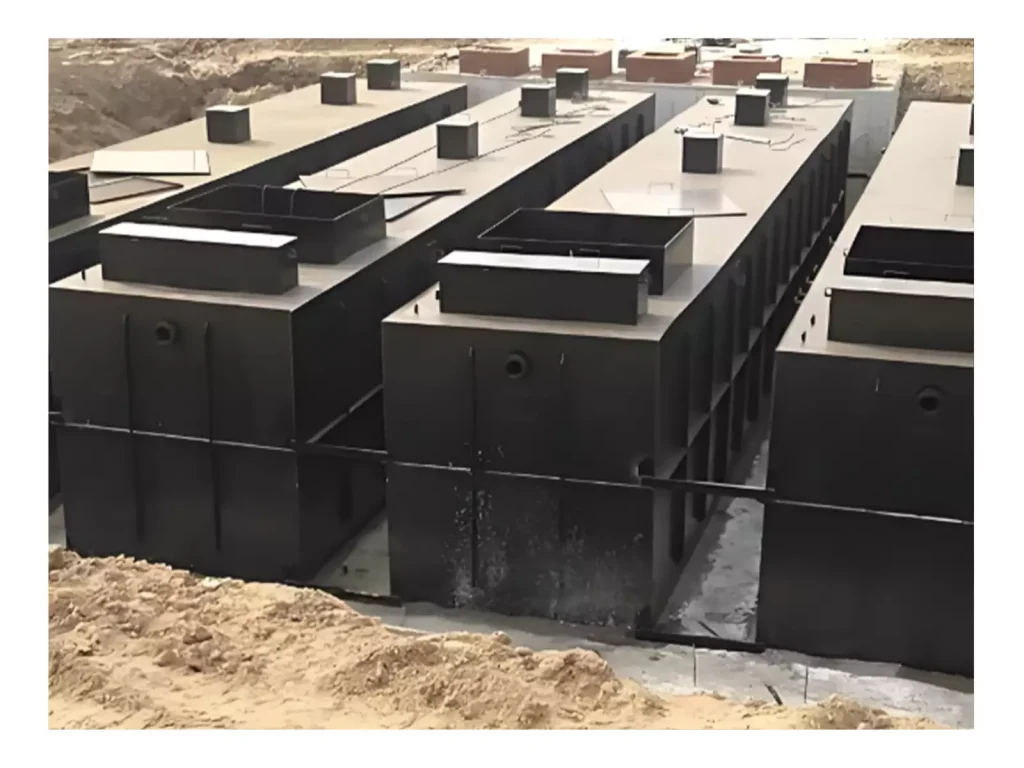
The rapid growth cities have created an unprecedented strain on the traditional water infrastructure. Nowadays, the treatment of municipal wastewater is no longer merely concerned with basic sanitation, it is an essential element in”the “circular economy.” As cities seek to be sustainable their focus has changed from basic disposal to resource recovery and reuse of water. This article outlines the most efficient treatment strategies which are helping cities of the present create a sustainable water future.
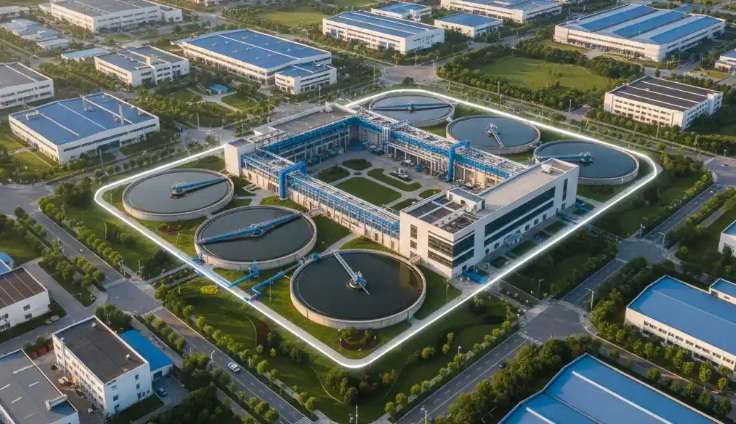
The Critical Shift: From Waste Disposal to Resource Recovery
The municipal wastewater treatment system has operated for decades to accomplish an invisible mission which involves transporting waste from residential areas to the closest waterway for disposal. The introduction of “Sustainable Cities” as a worldwide requirement has changed the previous waste disposal methods. Modern facilities are now considered Water Resource Recovery Facilities (WRRFs).
The shift is driven by three primary factors:
- Water Scarcity: Treated effluent has become an essential resource which provides water for landscaping needs and industrial cooling operations and indirect drinking water treatment.
- Energy Neutrality: The treatment plant generates its own power by converting organic matter from sludge into biogas.
- Stringent Regulations: Modern systems require complete removal of micropollutants (like pharmaceuticals) that older systems lack the ability to detect these substances.
Top Municipal Wastewater Treatment Methods
Membrane Bioreactor (MBR): The Compact Powerhouse
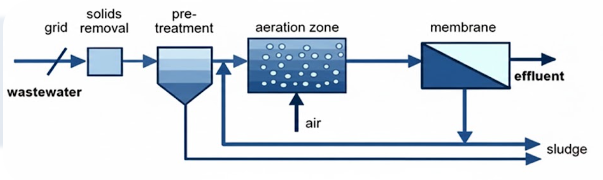
In terms of high-performance treatment for urban settings, Membrane Bioreactor (MBR) technology is the best choice. It combines the biological process (activated the sludge) with membrane filtering (typically microfiltration, or ultrafiltration), MBR eliminates the requirement for secondary clarifiers.
Why MBR Fits Sustainable Cities:
- High Quality Water: This membrane functions as an absolute barrier against floating solids as well as bacteria. It also produces an effluent which is usually ready to be reused immediately.
- Small footprint: MBR systems can reduce the area needed for an installation by up to 50%, which makes the ideal retrofitting option for existing urban infrastructure.
- Automated Systems: Automated systems are compatible with the latest sensors, which allow for more precise control as well as lower cost of labor.
Moving Bed Biofilm Reactor (MBBR): Efficiency Through Surface Area
The moving bed biofilm reactor (MBBR) is a biological process that makes use of special polymer carriers (media) that are suspended in the Aeration Tank. These carriers offer a vast surface that allows beneficial bacteria to flourish in a healthy “biofilm.”
Key Advantages for Growth:
- Scalability: As the population of a city increases the possibility of adding more media is added to existing tanks to improve the capacity for treatment, without constructing new infrastructure.
- Resilience: Biofilms are better able to withstand “toxic shocks” or sudden fluctuations in water temperatures as compared to traditional suspension growth systems.
- Low Maintenance: In contrast to MBR There is no chance of membrane fouling as well as the carrier is built to last for years.
Advanced Oxidation Processes (AOP): Tackling Invisible Threats
As our chemical footprint expands, municipal water often contains trace amounts of hormones, pesticides, and pharmaceuticals–known as Contaminants of Emerging Concern (CECs). The standard biological treatment methods are often ineffective to break them down.
Advanced Oxidation Processes (AOP) utilize a combination of Ozone (O₃) as well as hydrogen peroxide (H₂O₂) and ultraviolet light to produce radicals called hydroxyl. The radicals they create are some of the most powerful antioxidants available, capable of slicing intricate organic molecules and transforming them into benign byproducts, such as CO₂ and water. In a city that aims to achieve sustainable environmental practices, AOP is the final security guard that safeguards the local ecosystems.
Reverse Osmosis (RO) and Nanofiltration: Closing the Loop
For cities located in areas of extreme drought in the desert, cities in arid regions, the “Sustainable City” dream relies on Direct or Indirect Potable Reuse. This is the point where the reverse Osmosis (RO) along with Nanofiltration (NF) come into the picture. These membranes operate on an atomic level, eliminating the dissolved salts, heavy metals and even viruses.
While it is energy-intensive, the use of high-efficiency pumps as well as Energy Recovery devices have resulted in RO an effective method of recycling municipal wastewater into industrial process water that is high-purity and pure, or for replenishing groundwater wells.
The right technology to choose is a matter of balancing Capital expenditure (CAPEX) as well as operational costs (OPEX) and the the desired quality of water.
| Technology | Best For | Footprint | Water Reuse Potential |
| MBR | High-density urban areas | Very Small | Excellent (High Purity) |
| MBBR | Capacity upgrades / Resilience | Medium | Good (Secondary/Tertiary) |
| AOP | Removing micropollutants | Small | Essential for safety |
| RO/NF | Total water recycling | Medium | Premium (Industrial/Potable) |
The Role of Smart Water and Digitalization
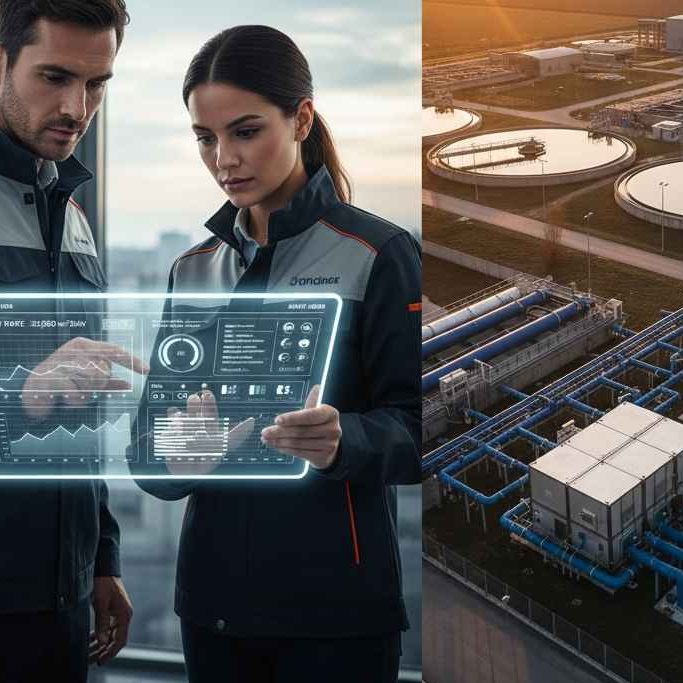
Technology alone doesn’t suffice; Intelligence is it’s the “secret sauce” of sustainable cities. Smart Water Management involves using IoT sensors and AI-driven analytics that monitor the flow of wastewater in real-time.
- Optimizing Energy: AI will be able to anticipate peak flows and adjust aeration, the largest energy-consuming component of a plant — to reduce up 30% of electricity costs.
- Predictive Maintenance: The vibration sensors on pumps could warn operators of a problem prior to the event, thereby preventing expensive downtime and discharge that is not treated.
- Remote Monitoring: Experts are able to manage multiple treatment facilities from a single central hub, providing consistency in quality throughout the whole municipal area.
Decentralized vs. Centralized: A Hybrid Future?
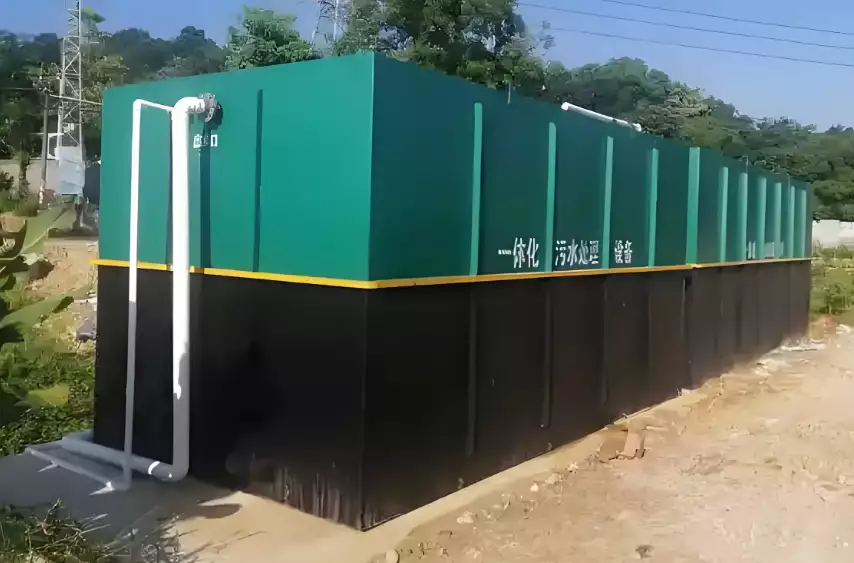
The conventional “mega-plant” model is being challenged by Decentralized Wastewater Treatment. Instead of pumping water for miles across cities (consuming huge amounts of energy) smaller, locally-based facilities (using MBR or MBBR) treat the water where it’s generated. It is a “Satellite” approach allows the treated water to be used quickly for local parks, toilets or cooling towers. This is a huge improvement in decreasing the energy required to transport water.
Investing in a Circular Future
Sustainable urban development isn’t possible without a sophisticated, effective municipal wastewater plan. Through the integration of technologies such as MBR to ensure high-quality reuse, and AOP to ensure chemicals, municipalities are able to transform an old-fashioned liability into a sustainable asset. The objective isn’t only treating water but also to ensure the health of the public and protect the environment at the same time. To find out how these innovative solutions can be customized to meet your particular municipal requirements, consult with Molewater today.