
In 2026, water scarcity is no longer a distant warning—it is a reality reshaping urban planning and global economies. as population density increases in coastal hubs and climate patterns become more erratic, traditional water sources are under unprecedented strain.
To combat this crisis, two main solutions have taken center stage: Desalination and Water Recycling (also known as water reclamation). While both produce high-quality freshwater, they differ significantly in their technical paths, long-term costs, and ecological footprints. So, in the battle for water security, which one truly earns the sustainability?
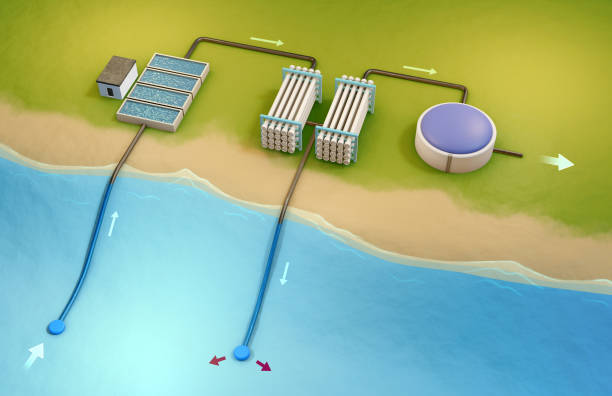
What is Desalination and Water Recycling?
This process of desalination focuses on extracting freshwater from highly saline sources, primarily through Seawater Reverse Osmosis (SWRO). Modern systems now utilize “smart membranes” made of nano-composite materials that require less pressure to filter out salts. However, desalination remains a “new water” creation process that must overcome significant physical barriers—namely, osmotic pressure.
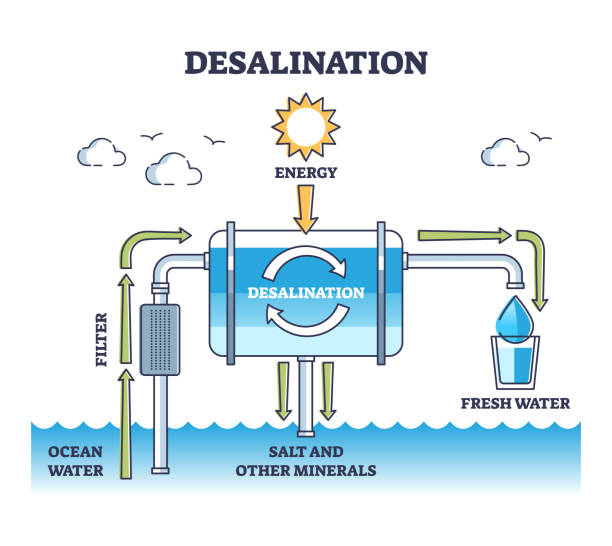
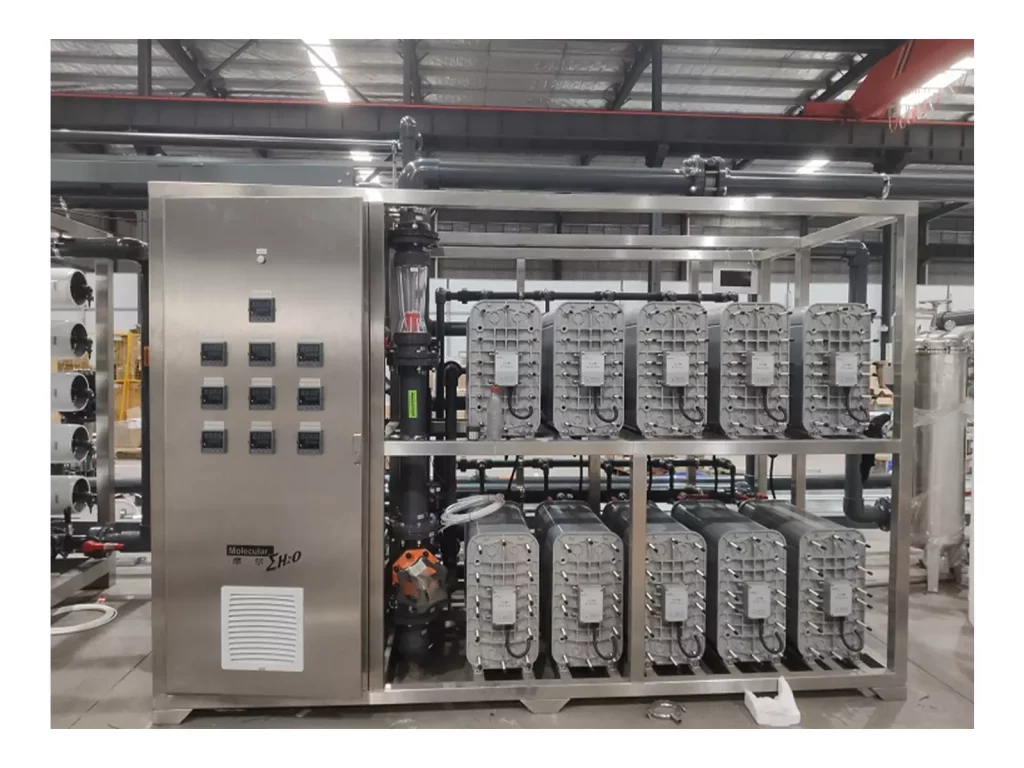
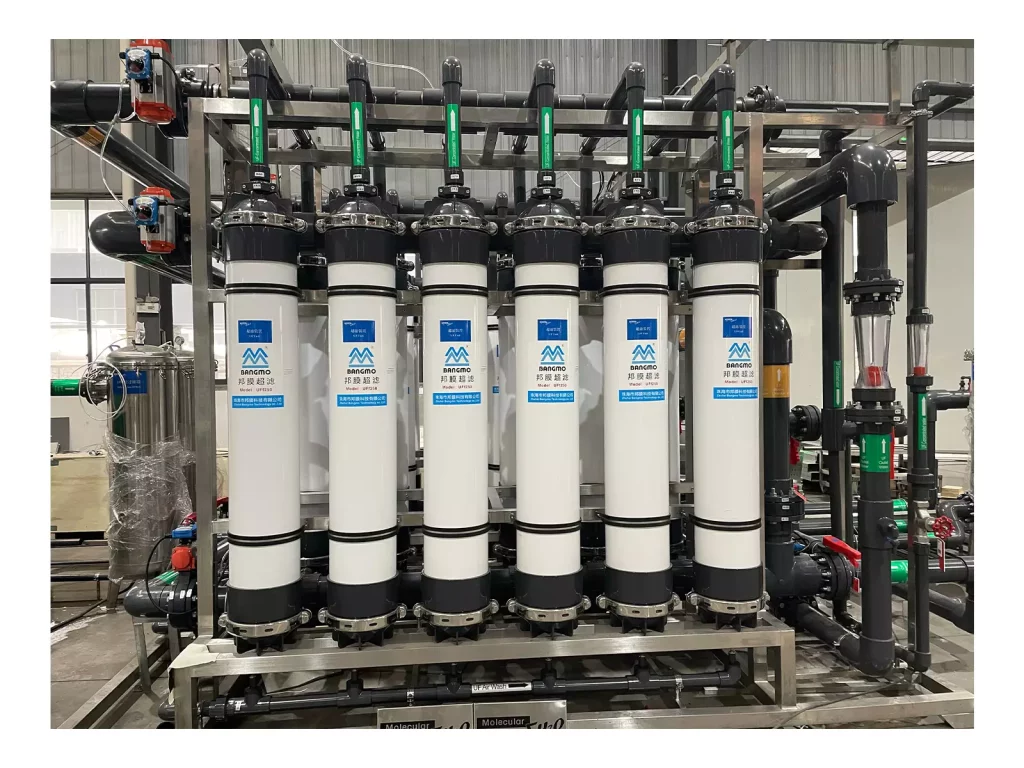
Water Recycling is the secondary development of an existing resource. By putting municipal wastewater through multi-stage treatment—including microfiltration, reverse osmosis, and Advanced Oxidation Processes (AOP)—water is purified to a standard that often exceeds bottled water. In 2026, Direct Potable Reuse (DPR) has become a standard in arid regions, signaling a shift where water is viewed as a reusable asset rather than a disposable commodity.
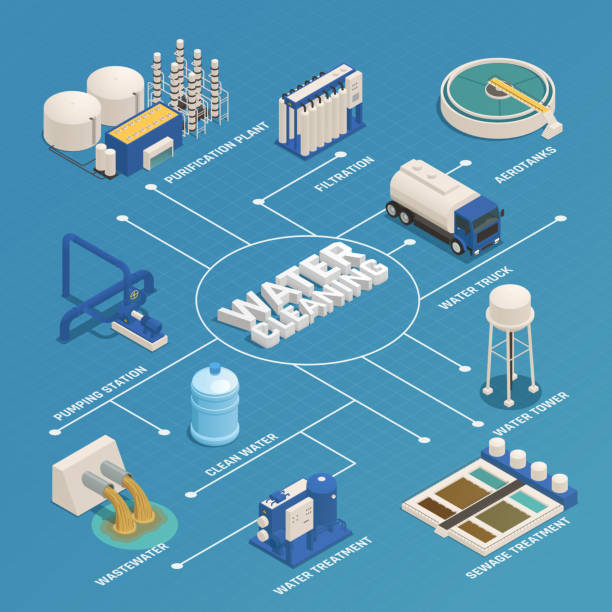
Desalination vs Water Recycling Cost Comparison
For policymakers and developers, the desalination vs water recycling cost comparison is often the deciding factor. Data from 2026 indicates a clear divide in the economic structures of these two options.
Capital Expenditure (CAPEX)
Desalination plants are massive infrastructure projects. They require expensive deep-sea intake pipelines and high-pressure pumping stations. Furthermore, they must be located on premium coastal real estate. According to the International Desalination Association (IDA) 2026 Annual Report, the construction costs for desalination remain roughly 40% higher than comparable water recycling facilities due to the complexity of marine engineering and anti-corrosive materials.
Operational Expenditure (OPEX)
Desalination: Processing one cubic meter of seawater typically consumes between 3.5-4.5 kWh. Even with 2026’s advanced energy recovery devices, this remains a high energy floor.
Water Recycling: Because wastewater has a much lower salt content than seawater, it requires significantly less pressure. The energy intensity for recycled water usually ranges from 0.6-1.5kWh/m3.
From a financial ROI perspective, water recycling projects tend to reach break-even points much faster, especially in regions with volatile energy prices.
Lifecycle Cost
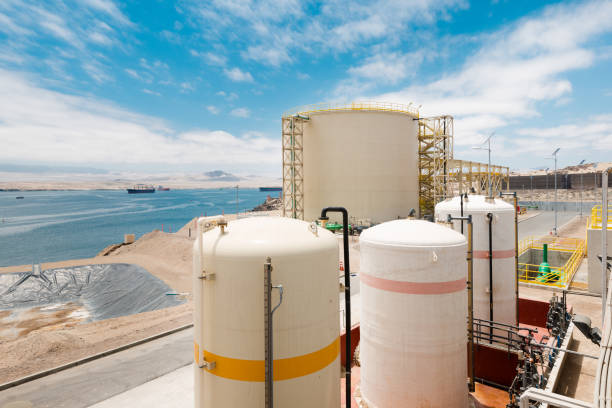
When comparing desalination vs recycled water over a long-term horizon, the total cost of ownership becomes critical. Projects located in coastal areas with access to seawater may find desalination economically stable. In contrast, industrial facilities generating large volumes of wastewater may achieve lower long-term costs through recycling.
In many cases, recycling is more cost-effective when sufficient wastewater is available. Desalination becomes more competitive when alternative water sources are limited.
Environmental Impact: Desalination vs Recycled Water
True sustainability goes beyond the balance sheet. When comparing desalination vs recycled water, the ecological consequences follow very different trajectories.
Energy and Carbon Footprint
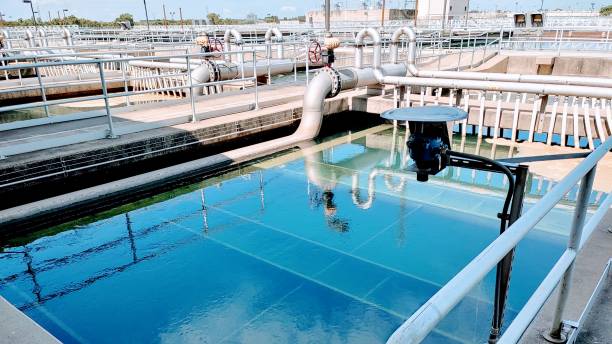
Desalination generally requires more energy per cubic meter than recycling, particularly in seawater applications. Higher energy demand translates into a larger carbon footprint unless renewable energy is integrated.
Water recycling often has a lower overall energy intensity, making it attractive for companies pursuing ESG targets.
Waste Generation
Desalination produces concentrated brine, which must be responsibly managed. In coastal areas, controlled ocean discharge is common. Inland desalination projects may require additional evaporation or crystallization systems.
Water recycling generates sludge and concentrate streams, though typically at lower salinity levels compared to desalination reject.
Resource Efficiency
Recycling supports circular water management by reusing existing wastewater streams. Desalination provides a reliable new water source but does not inherently reduce wastewater discharge unless integrated with additional treatment systems.
From a sustainability perspective, recycling is often favored when feasible. However, desalination remains essential in water-scarce coastal regions with limited wastewater availability.
*Resource: The WateReuse Association’s 2026 policy

How to Choose?
If we look through the lens of pure sustainability—prioritizing low energy use, circular economy principles, and ecological protection—Water Recycling is the clear winner. It transforms water management from a linear “extract-use-discard” model into a sustainable “use-purify-reuse” cycle.
In practice, many advanced water management strategies no longer treat desalination and recycling as mutually exclusive options. Instead, hybrid systems are emerging.
Desalination can secure baseline water supply. Recycling can maximize internal reuse. When combined with Zero Liquid Discharge (ZLD) systems, wastewater discharge can be minimized or eliminated entirely.This integrated approach supports both operational reliability and environmental compliance, particularly in regions with strict discharge regulations.