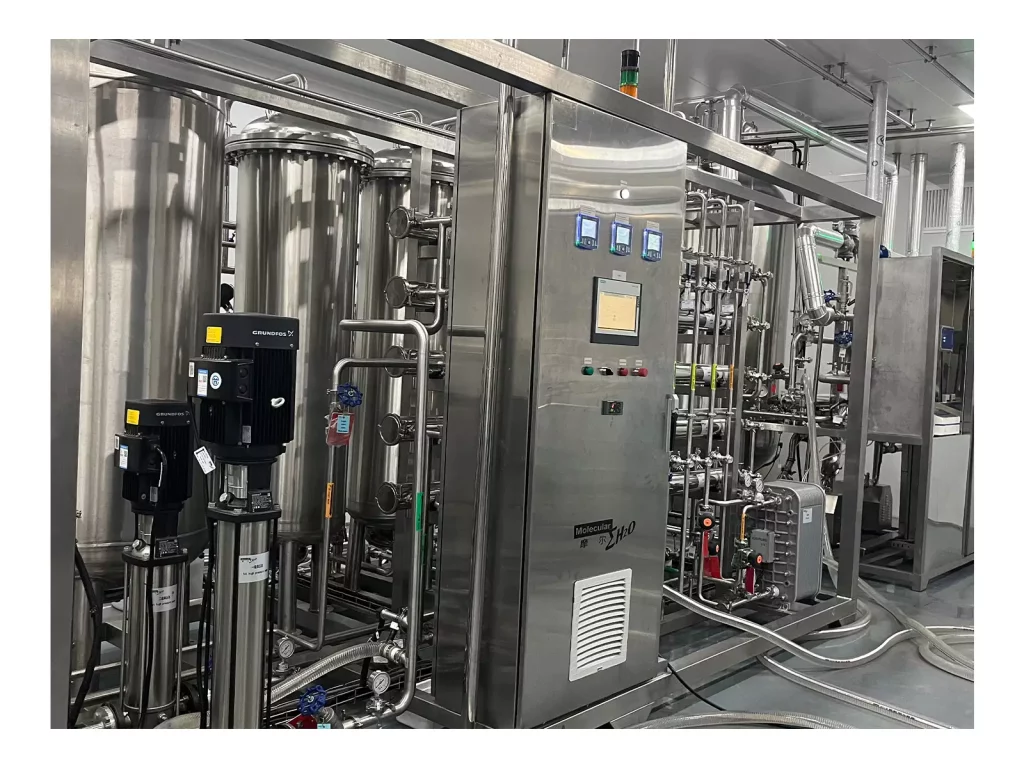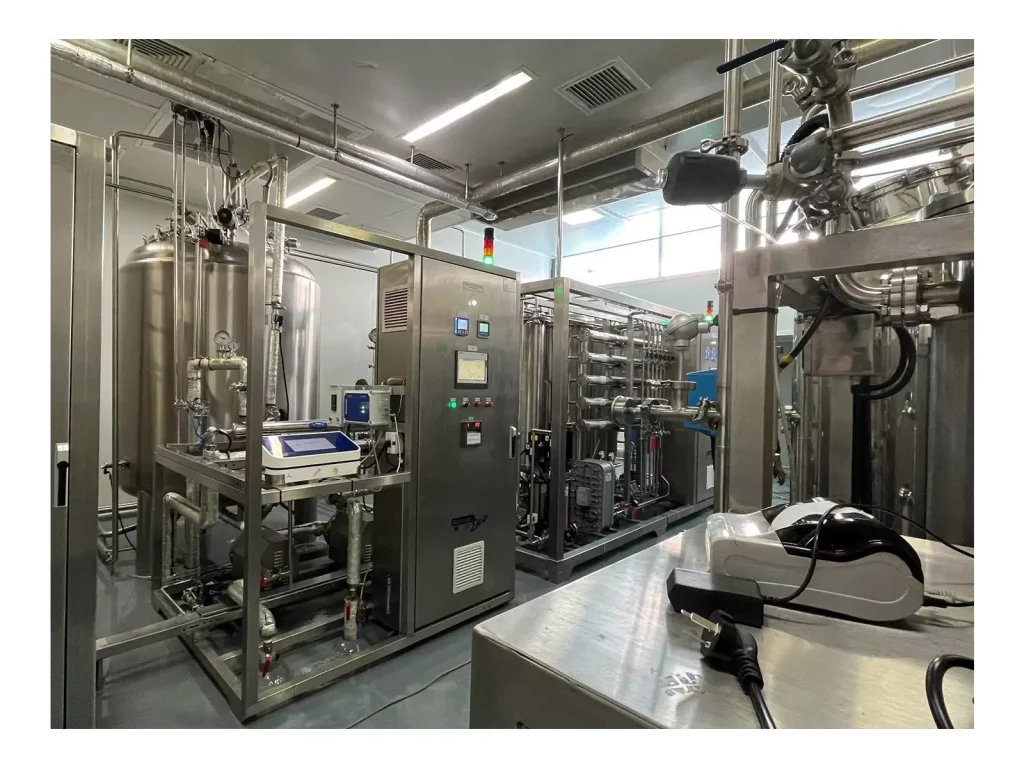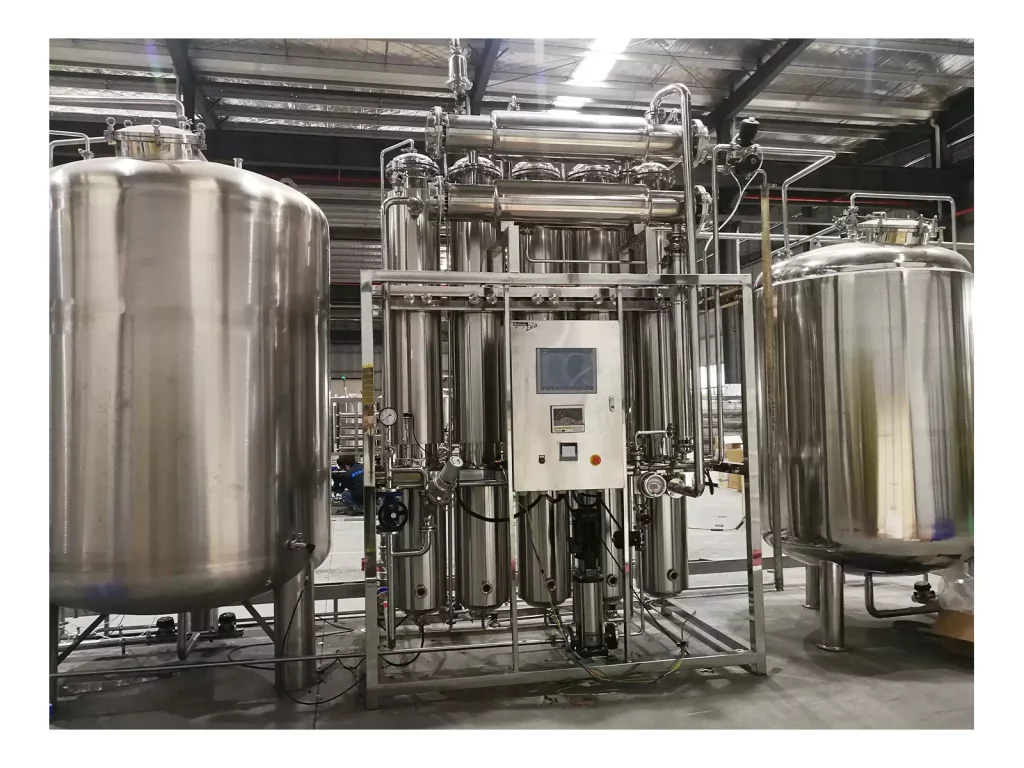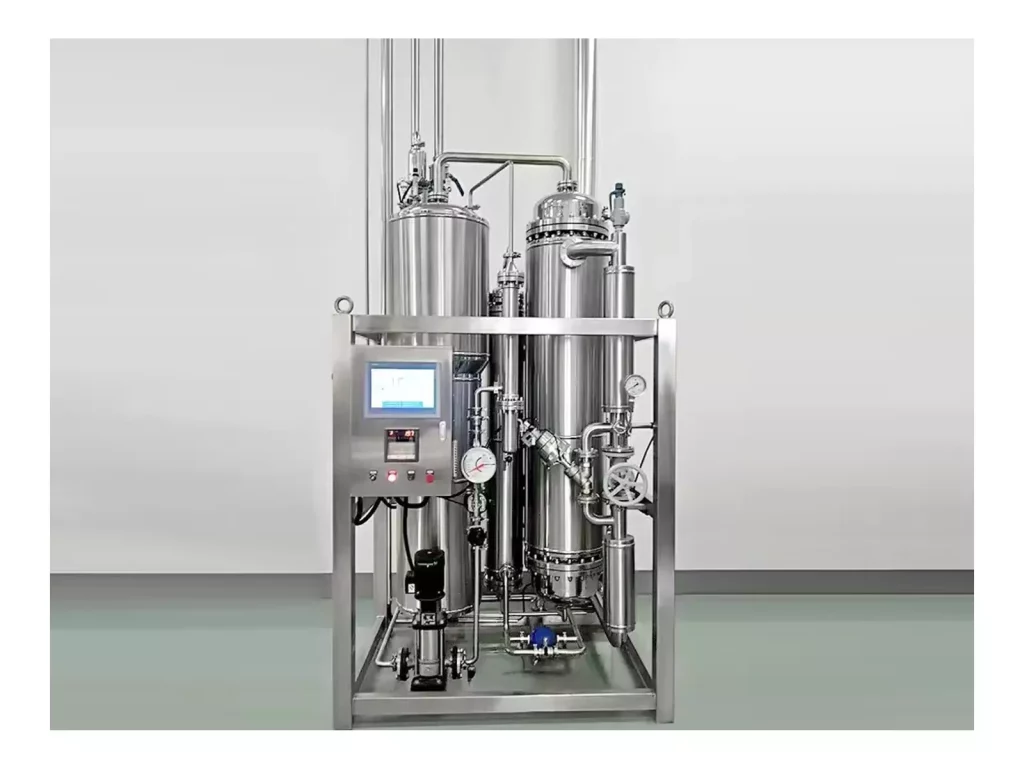
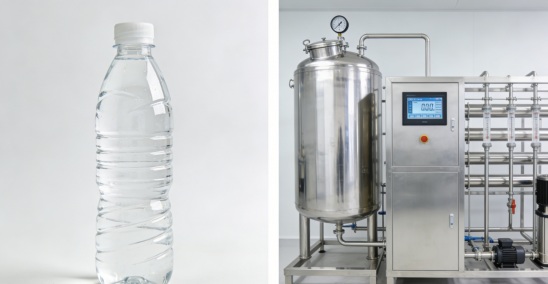
“Pure water” means different things for individuals. Most people think of it as a bottle of water that has been filtered but for pharmaceutical companies it’s a crucial raw material that needs to adhere to strict international standards. The transition from consumer-grade to pharmaceutical grade water demands a leap in precision, technology and the ability to comply.
Choosing the best Pharmaceutical water purification system is a choice which no company should take lightly. With a variety of techniques and regulations to take into consideration, it’s crucial to make a well-informed choice that is consistent in quality in reliability, and compliance with the ever-changing standards.
1. Regulatory Compliance and Standards
The primary consideration in deciding on a pharmaceutical water purification system is its regulatory conformity. The regulation of water in the pharmaceutical industry is set by strict guidelines set out in major pharmacopeias like those in the United States Pharmacopeia (USP), European Pharmacopeia (EP) as well as the Japanese Pharmacopeia (JP).
Understanding Water Quality Requirements
Pharmaceutical water systems have to be able to meet certain criteria for important parameters like conductivity, total organic carbon (TOC) , microbiological count,and endotoxins. These are not unrelated numbers; they are set to ensure that the water utilized in the production of drugs doesn’t introduce danger into processes that are sensitive.
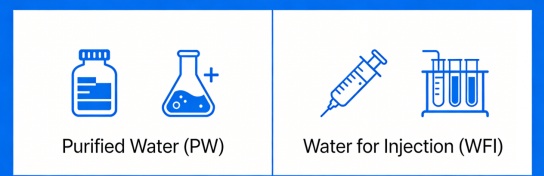
The most common water forms comprise:
- Purified Water (PW)-It is used to formulate general formulations and for cleaning.
- “Water for Injection” (WFI) -It is necessary for parenteral solutions and applications with high risk.
The testing requirements for each category has specific documentation. A compliant water system must consistently produce water that meets these thresholds and support accurate record-keeping for audits.
Validation and Documentation Support
Regulators require the validation of IQ/OQ/PQ to prove that equipment functions as it was intended. Select a system with explicit validation protocols as well as documentation that can be used to help. Integrated reports and data logging capabilities make compliance easier and lessen risk of audit.
2. Matching Water Quality to Application Needs
Pharmaceutical processes require multiple water grades which specific system needs to match their operational requirements because this approach enables both cost savings and quality maintenance.
Assessing Application Requirements
Different pharmaceutical processes require different water quality standards because they use different water sources for their operations.
- Formulation and equipment washing: often require Purified Water.
- Injectables and sterile products: demand Water for Injection (WFI).
- Cleaning validation and high-risk applications: may need enhanced microbial control.
Enterprises face two distinct challenges when selecting their systems because choosing a system which exceeds their needs results in higher costs yet selecting a system which fails to meet requirements creates non-compliance and product quality problems.
Microbial and Endotoxin Control
Microbial contamination and endotoxins create major safety hazards for all systems that require antimicrobial protection. The water quality control system uses ultrafiltration and UV irradiation and temperature-based sanitization to maintain its long-term water quality. The system uses automatic sanitization cycles and continuous monitoring as protective measures against contamination which occurs between production runs.
3. System Design and Technology Selection
A pharmaceutical water purification system achieves its operational efficiency through the combination of its technological elements which operate according to their specific design patterns.
Core Treatment Technologies
A typical high-performance system may include a combination of different treatment technologies which operate through distinct treatment stages.
| Process Stage | Function & Purpose |
| Pre-treatment | Particulates and chlorine removal |
| Reverse Osmosis (RO) | Removes dissolved solids |
| Electrodeionization (EDI) | Continuous deionization |
| Ultrafiltration (UF) | Microbial reduction |
| UV Treatment | Organic and biological control |
The selection process requires you to evaluate your water feed characteristics against your desired treatment results. Multi-stage systems demonstrate better performance than systems which utilize a single technology because they achieve greater operational stability and consistent performance.
Sanitary Design and Material Selection
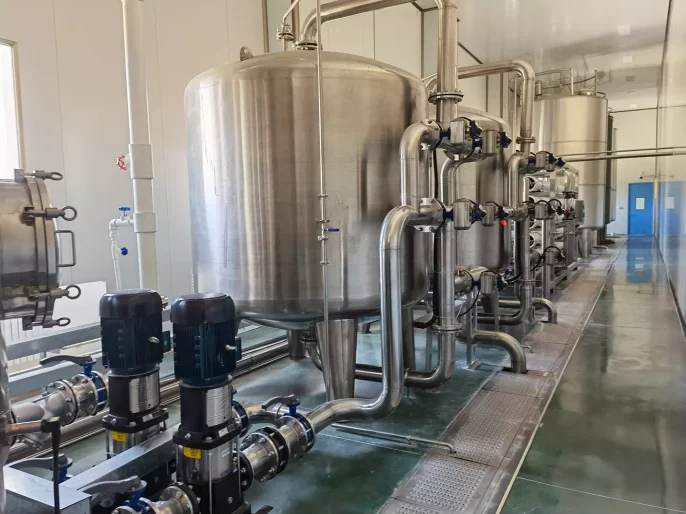
Pharmaceutical companies require all facilities to implement hygienic design standards. Components must be constructed with materials like 316L stainless steel and engineered with minimal dead legs and easy-to-clean surfaces. The design process needs to establish boundaries which prevent microorganisms from establishing themselves in areas that serve Purified Water and WFI loops.
Automation and Monitoring
Modern systems operate through PLC control systems which feature touchscreen controls and display real-time tracking capabilities for conductivity and temperature and TOC and microbial testing. The system uses automated alerts together with data logging functions to enhance operational management while decreasing the need for manual testing and helping to prepare for audits.
4. Operational Reliability and Maintenance
Ease of Operation
The systems must be easy for operators to operate. A user-friendly interface and clear maintenance schedules and onboard diagnostics cut down on errors and burdens on training making it easier for them to use the system on a daily basis.
Maintenance and Downtime Risk
Take into consideration the frequency of maintenance, the accessibility to wear parts and the impact that downtime could have to production plans. The failure of the water system could stop manufacturing lines, therefore choose systems that are less disruptive and allows for rapid availability of service.
Service and Technical Support
After-sales service is as important as the design of the system. A pharmaceutical expert supplier will provide prompt technical assistance as well as preventive plans for service and availability of parts. Local support can speed up the response time when problems arise.
5. Total Cost of Ownership
Cost isn’t just the price of purchase. The best option is to look at what is the total cost of ownership (TCO) over the system’s lifespan.
Initial Investment vs Long-Term Expense
Advanced purification systems can have an upfront price however they usually provide lower operating costs as well as greater reliability. Factors that impact TCO include energy consumption and consumables (filters cartridges, filters) and maintenance requirements for preventive maintenance.
Scalability and Future Needs
Select systems that are able to adjust to the future growth of production or changes in regulations. Modular designs permit additional treatments to be included without total overhaul, thereby protecting your investment.
Risk and Compliance Costs
Failure to comply can result in significant costs such as product damage recall risk, product loss, and penalties for regulatory violations. A system that is designed to ensure continuous performance and conformity reduces the hidden costs.
How to Choose the Right Supplier
The right supplier needs more than just technical expertise to meet their needs. The right supplier should:
- Have pharmaceutical industry experience
- Deliver comprehensive solutions, not just equipment
- Provide validation documentation and training
- Demonstrate proven customer success cases
The partner selection process requires companies to choose a partner who possesses extensive industry knowledge because this expertise will enhance product development and make it easier to pass regulatory examinations.
Choosing Molewater with Confidence
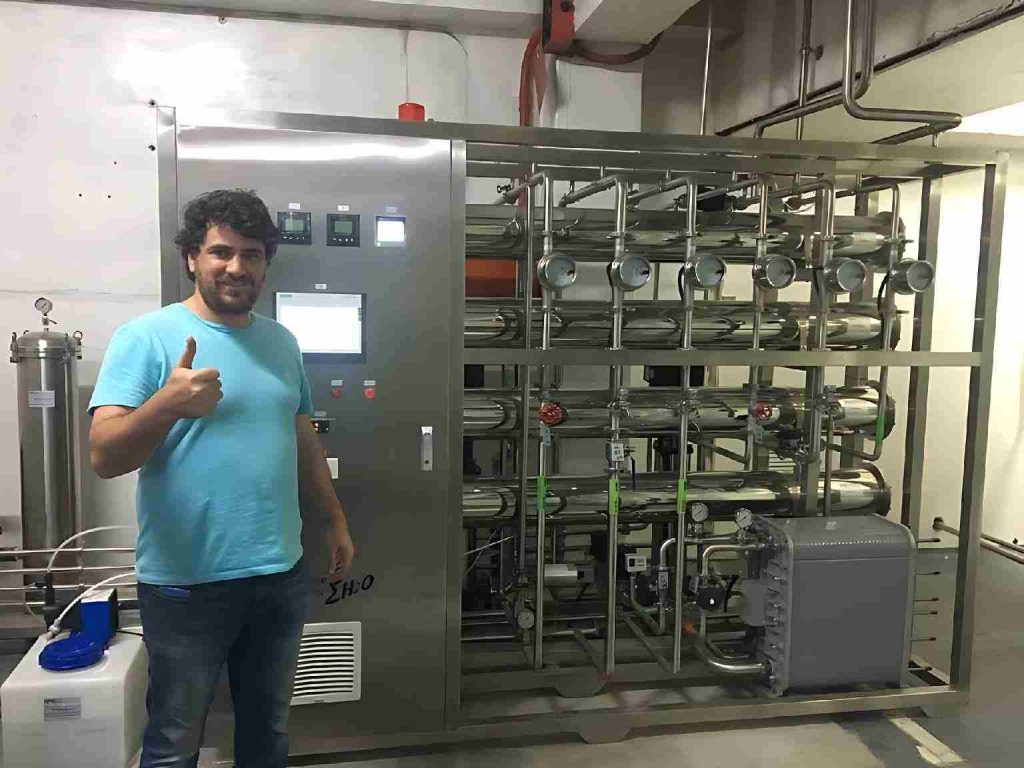
The selection process for pharmaceutical water purification systems establishes the basic elements which determine product quality and safety and compliance with regulations. The solutions from Molewater provide you with regulatory compliance and application-specific performance and advanced technological systems and dependable operational functions and permanent cost savings. The partnership with Molewater provides you with more than equipment because it delivers stable water quality which decreases risk and supports your manufacturing objectives with complete assurance.