In the aquaculture industry, there is a growing consensus that water quality is crucial to success. Whether it is high-density recirculating water farming, traditional ponds or flowing water farming, the cleanliness of the water directly affects the survival rate, growth rate and disease risk of fish and shrimp. In 2026, with the continuous expansion of the farming scale and stricter environmental regulations, simply relying on water replacement is no longer sufficient to support modern farming models. Professional and systematic water purification solutions are becoming the infrastructure of aquaculture.
This also brings up a crucial question: What kind of water purification system is truly suitable for aquaculture? And how can one choose a stable and cost-effective solution for their own farm? Let Molewater tell you the answer.
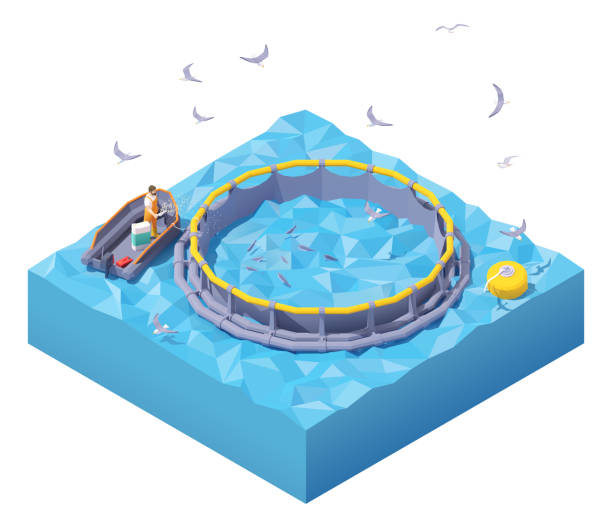
What Is The Water Purification System In Aquaculture?
Many farms confuse filtration with purification. In fact, the two are not exactly the same. Filtration is mainly used to remove suspended solids and particles, while purification involves further control of toxic substances and microorganisms through biological treatment and disinfection methods on the basis of filtration.
A complete aquaculture water purification system usually needs to accomplish three things:
- Remove suspended solids and organic pollutants
- Control toxic substances such as ammonia nitrogen and nitrite.
- Prevent the spread of pathogenic microorganisms
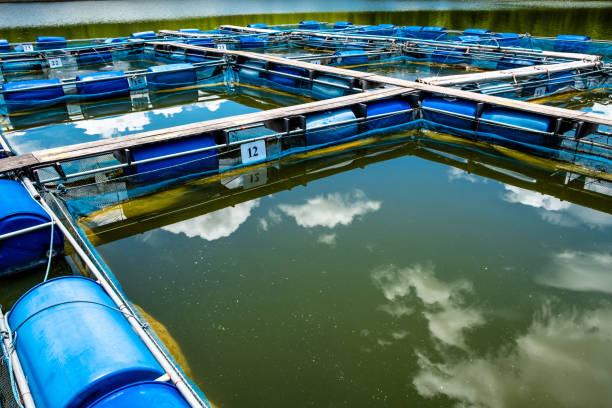
Why Is Water Purification System Indispensable In Aquaculture?
In natural water bodies, water quality can be maintained through flow and the self-regulation of the ecosystem. However, in artificial aquaculture environments, the situation is completely different. As the feeding volume increases, the accumulation of feed residues and excretions continues, making it easier for pathogenic microorganisms to multiply in the water. The water body gradually becomes turbid and develops an unpleasant odor.
In actual projects, the water quality problems frequently encountered by the Molewater engineering team mainly focus on several aspects: turbid water, excessive suspended solids, which affect dissolved oxygen and light exposure. Ammonia nitrogen and nitrite levels exceed the standard, causing fish poisoning and weakened immunity. The content of pathogenic microorganisms is high, which easily leads to diseases such as ichthyophthirius and rotting gills. The water quality fluctuates greatly, causing frequent stress for the fish.
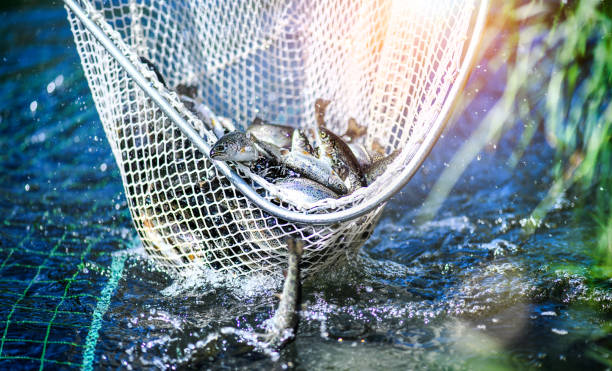
The problems usually do not lie in the water itself being of poor quality, but rather in the unreasonable structure or insufficient capacity of the water treatment system, which makes it unable to operate stably over the long term. Initially, it may only affect the growth rate, but if this situation persists without control, it will evolve into stress, diseases, and even mass deaths. That is why the significance of the water purification system is not merely cleaning the water , but more importantly, maintaining the water in a state that is suitable for the healthy growth of fish over the long term.
Common Types of Water Purification Technologies for Aquaculture
In modern aquaculture, the commonly used water purification techniques mainly include the following categories.
1. Mechanical filtration system
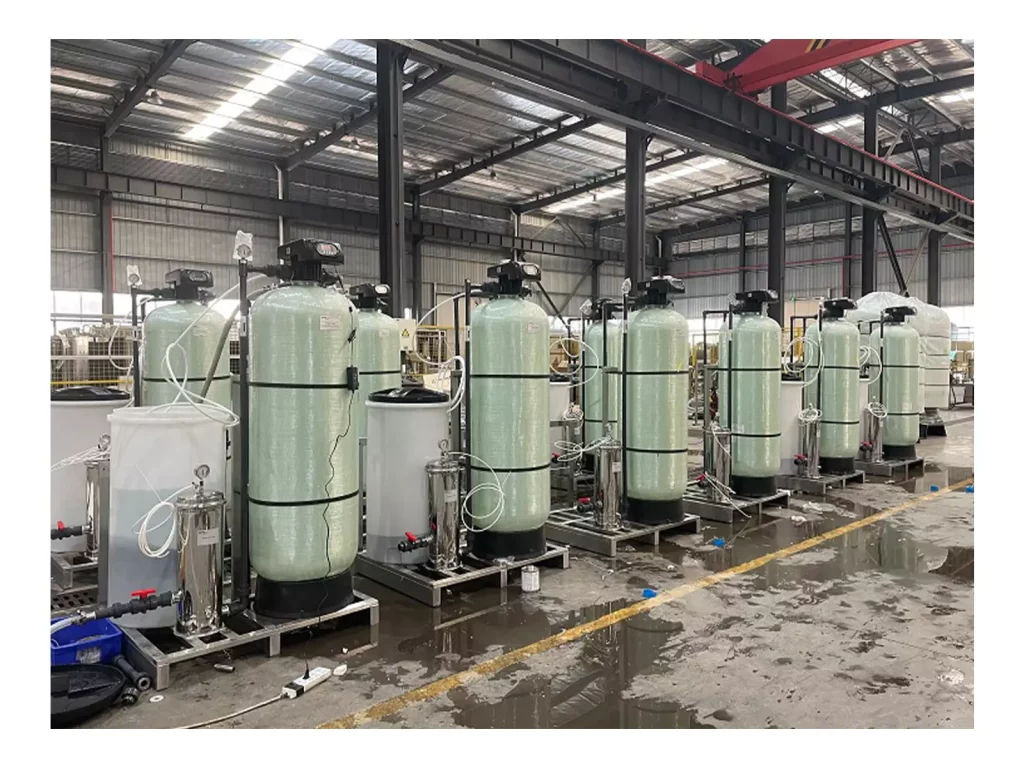
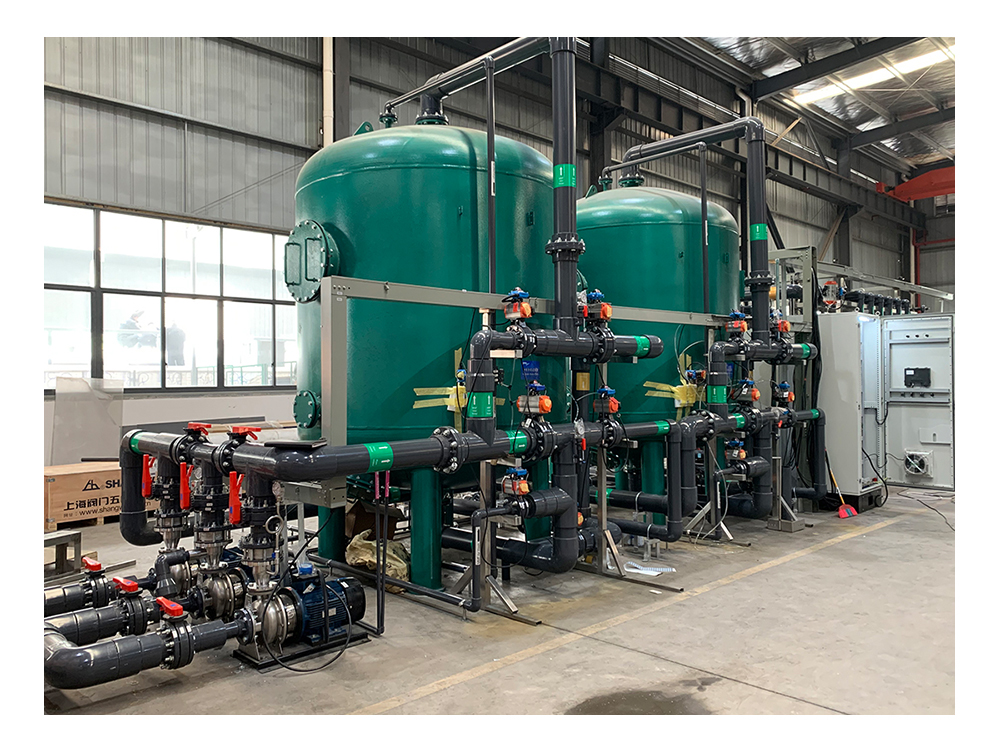
The mechanical filtration system is used to remove feed residues, feces and suspended solids. For example, drum filters, sand filters and bag filters are the first line of defense in the entire system.
2. Biological Filtration
The biological filtration system converts ammonia nitrogen into less toxic nitrate through the action of nitrifying bacteria. It is a crucial step in controlling water toxicity. Common forms include biological filler filters and moving bed biological reactors.
3. Ultraviolet Disinfection and Ozone System
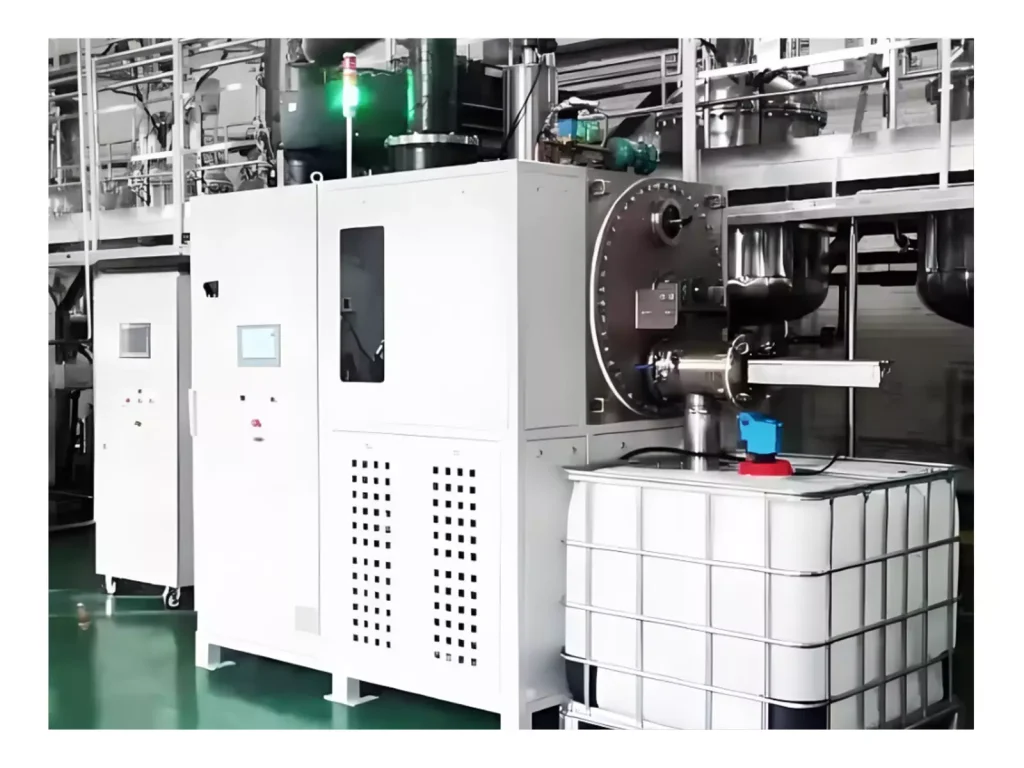
Ultraviolet disinfection and ozone systems are used to kill bacteria, viruses and parasites in water, reducing the risk of disease transmission. They are particularly suitable for high-density and high-value species farming.
4. Membrane filtration system (UF/MF/RO)
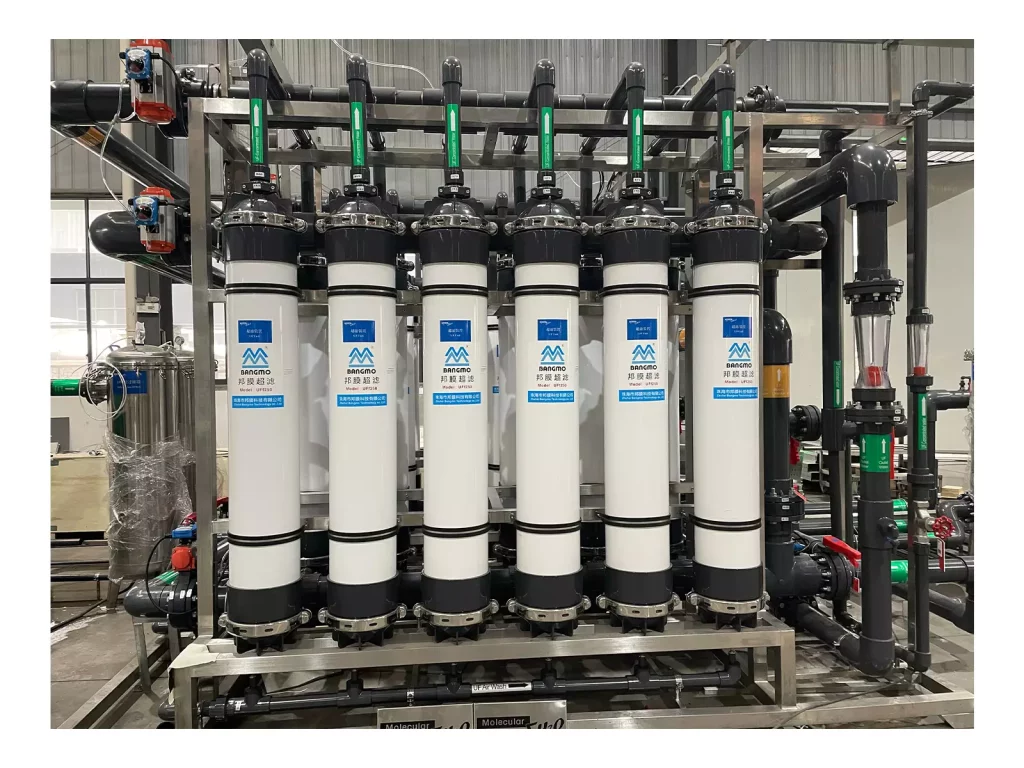
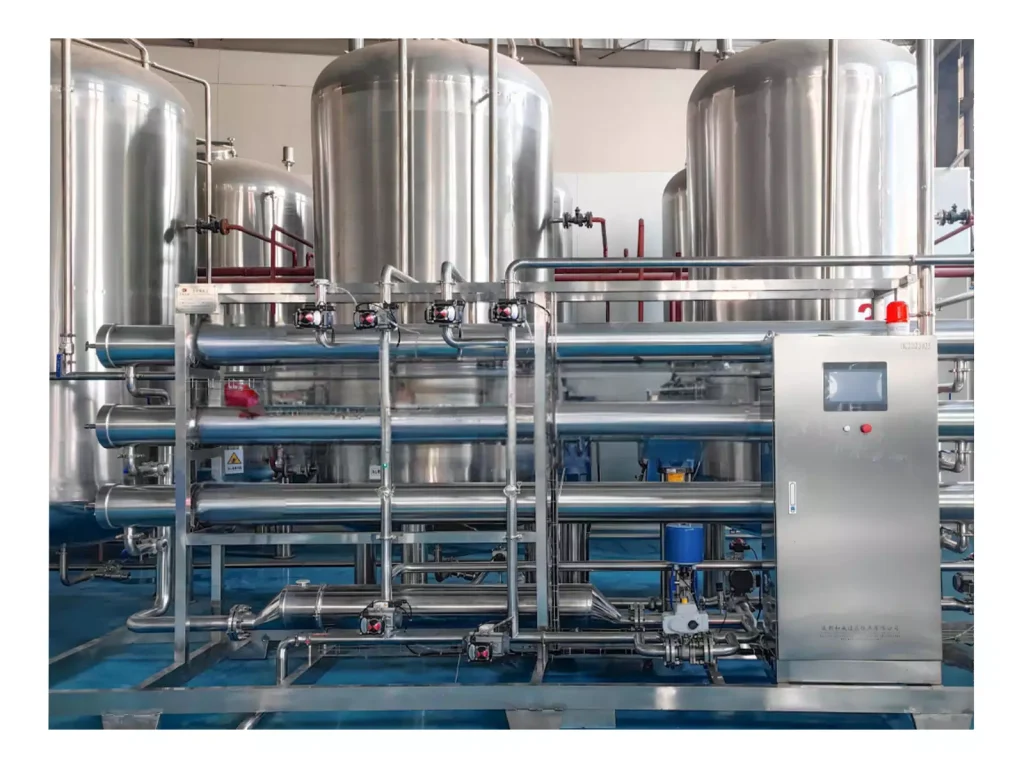
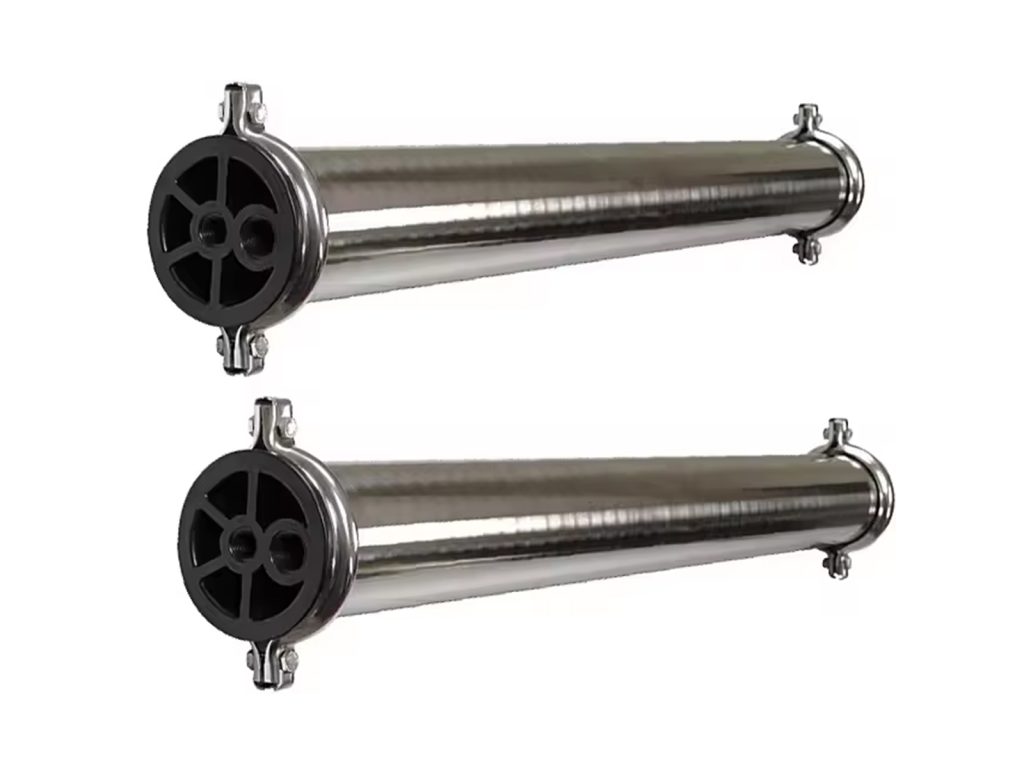
Membrane filtration systems such as ultrafiltration, microfiltration and reverse osmosis are mostly used in scenarios with extremely high water quality requirements, such as recirculating water aquaculture and seedling cultivation systems.
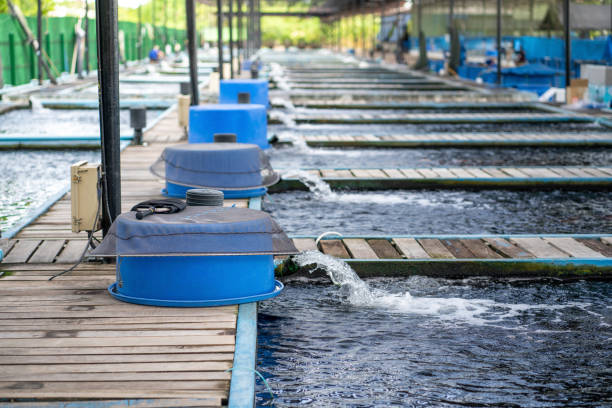
Best Water Purification System Configurations for 2026
For recirculating water farming systems (RAS), the standard configuration typically consists of mechanical filtration, biological filtration, ultraviolet or ozone disinfection, and fine filtration. This system uses a small amount of water and maintains stable water quality, making it highly suitable for high-density and factory-style farming.
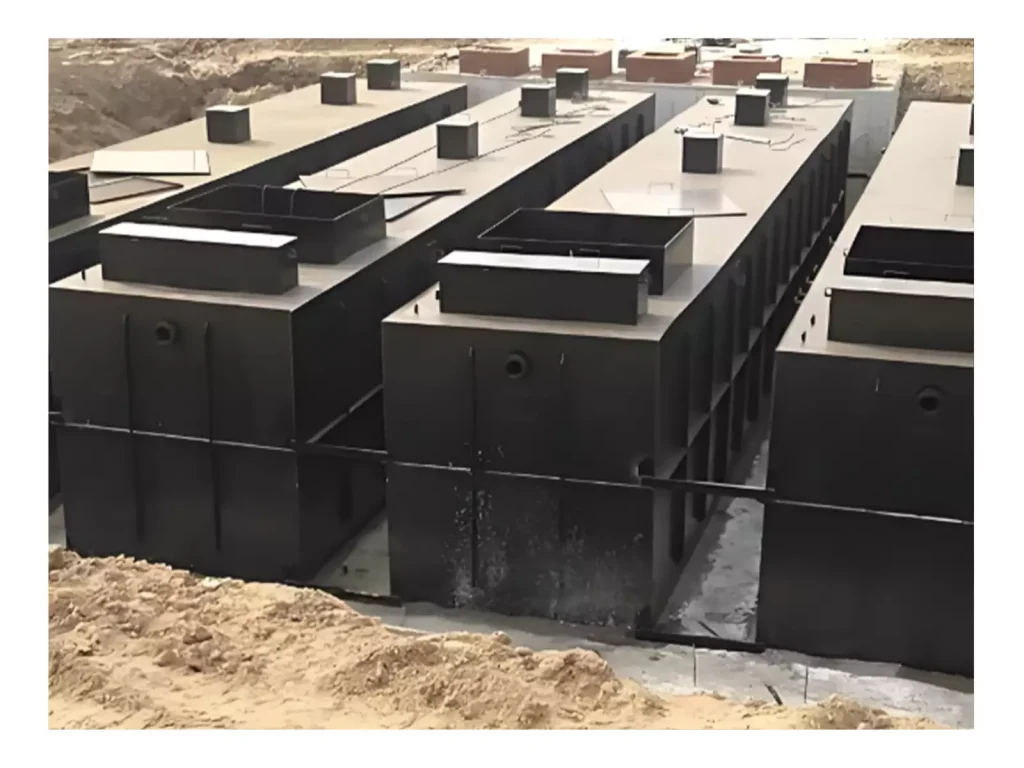
For pond and flowing water farming, more emphasis is placed on pre-treatment of the incoming water, circulation filtration in key areas, and treatment of drainage to meet standards, in order to reduce the cost of water replacement and improve the stability of the water body.
For the breeding of shrimp species and high-value varieties, a more stringent combination of purification and disinfection is usually employed to ensure that the water body is clean and has minimal fluctuations.
Why Choose Molewater for Your Aquaculture Water Purification Needs?
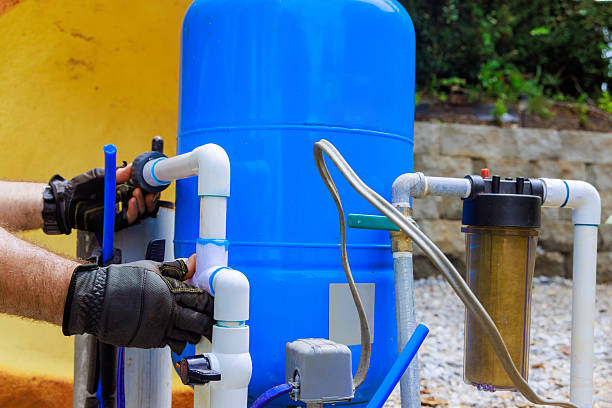
Molewater is a water treatment expert specializing in industrial and agricultural water treatment systems. It has rich experience in agricultural wastewater treatment, water recycling and reuse. In aquaculture projects, Molewater does not offer a single piece of equipment, but provides an integrated solution covering pre-counseling, system design, equipment manufacturing, installation and commissioning, as well as operation and maintenance support.
Molewater emphasizes the modular design and scalability of the system, which can be flexibly upgraded as the scale of farming changes. At the same time, the engineering team pays more attention to the long-term stable operation of the system rather than just meeting short-term standards.
A well-designed water purification system is not just an investment in costs, but also a long-term investment in returns. It can increase survival rates, reduce medication costs, lower water replacement and sewage disposal expenses, and enhance overall output and stability. In the long run, water treatment systems are often one of the most rewarding and crucial infrastructures.
When making a choice, it is usually necessary to consider all these aspects comprehensively: the breeding species and density, the type of water source, the operating budget and energy consumption requirements, as well as whether expansion is needed in the future. Molewater usually starts with water quality testing, and combines the on-site conditions and production goals to formulate your customized solution.
If you are planning or upgrading your aquaculture project, please feel free to contact Molewater to obtain exclusive water purification system solutions and technical support.
FAQs
1. Do all farming projects require an RO system?
Not necessarily. Most projects can use ultrafiltration, biological filtration and disinfection. RO is suitable for special high-demand scenarios.
2. How often is the system maintained?
It is usually recommended to combine weekly checks with monthly maintenance.
3. Does Molewater offer custom designs?
Yes, all projects are customized engineering solutions.