
Many households or factories that use well water encounter similar problems: the water looks clear but has a rusty smell. The kettle has obvious scale formation after boiling water. Clothes tend to turn yellow easily, and even tests have found that the bacteria content exceeds the standard.
These phenomena are neither rare nor isolated cases. Unlike municipal water supply, well water usually lacks a unified and systematic treatment process before entering the usage stage. Therefore, choosing an appropriate well water filtration system is a fundamental condition for long-term stable water use.
But the question is: There are many types of well water filtration systems. Is iron removal necessary? Would you like soft water? How should bacterial problems be dealt with?
Next, through this article, we will break down these key issues step by step to help you clarify your thoughts and find solutions that suit your own situation.
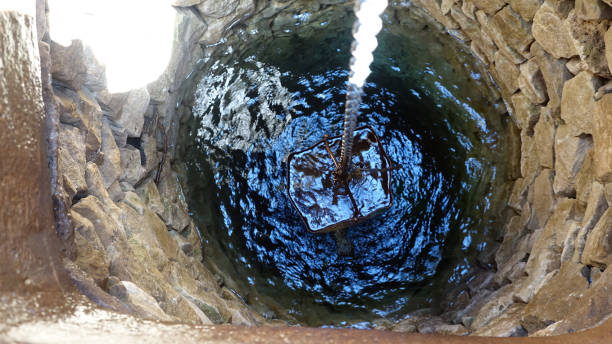
What Is Well Water and Why Filtration Is Necessary?
Well water usually comes from underground aquifers, and its water quality is greatly influenced by geological structure, soil composition and the surrounding environment. Compared with tap water that has undergone centralized treatment, well water is more likely to contain the following substances:
- Suspended sediment and particulate matter
- Metallic elements such as iron and manganese
- Higher hardness (calcium and magnesium ions)
- Microorganisms and bacteria (such as coliform bacteria)
These problems may not surface in a short period of time, but long-term use often has an impact on pipelines, equipment, daily water usage experience, and even health and safety. Therefore, configuring an appropriate filtration system based on the characteristics of well water is a crucial step in ensuring water quality.
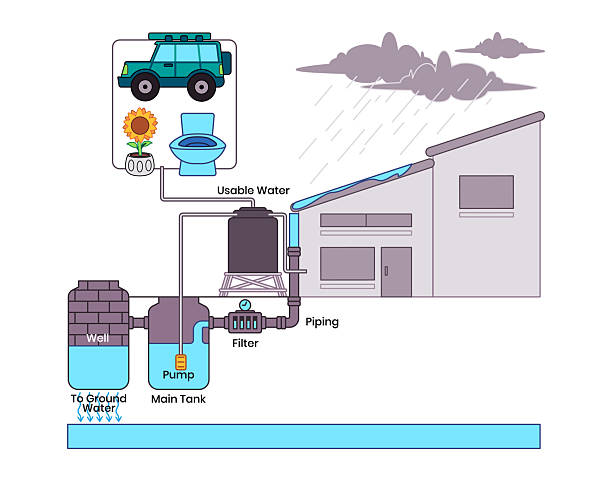
Common Problems Found in Well Water
Before choosing a well water filtration system, understanding the water quality issue itself is often more important than directly selecting the equipment.
Iron in Well Water and How to Remove It
It is very common for the iron content in well water to be too high. Common manifestations include:
- The water has a metallic or rusty taste
- Yellow or brown deposits appear on the inner walls of bathroom fixtures and pipes
- The clothes turn yellow after being washed
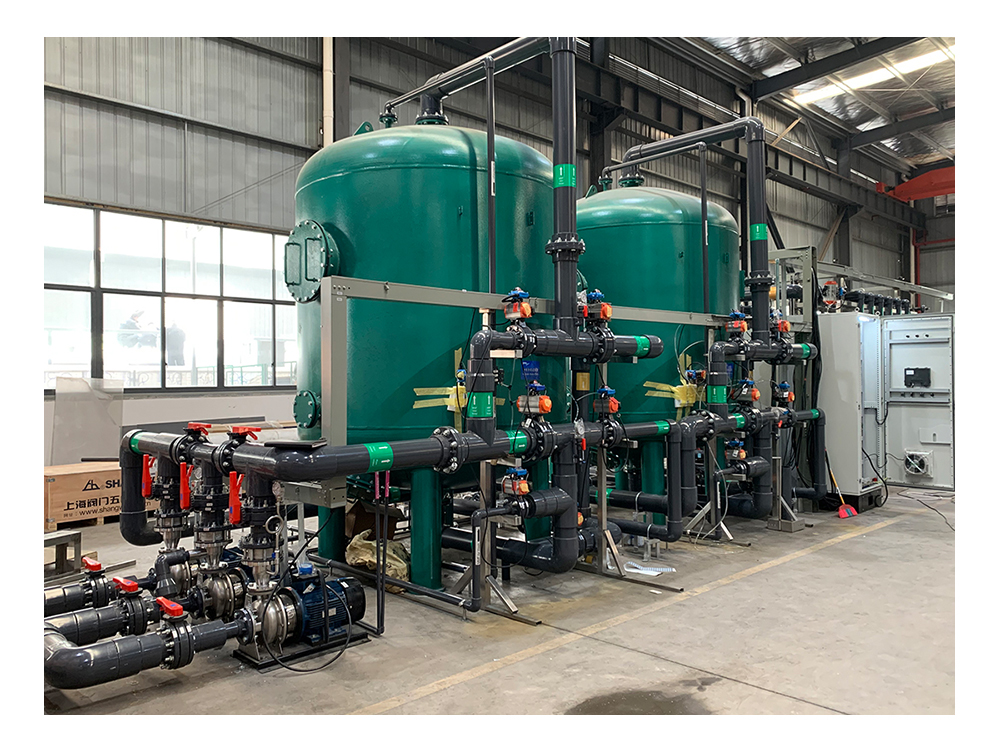
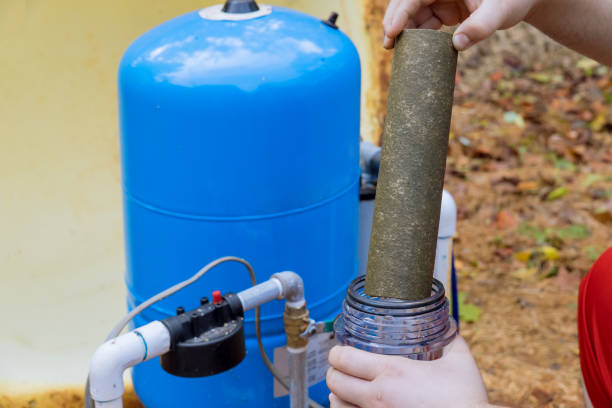
For this issue, a dedicated well water iron removal filter is usually a necessary configuration. Different types of iron (dissolved iron, iron oxide) require different treatment methods. Therefore, when designing the system, it is necessary to match the actual water quality.
Coliform in Well Water–Is It Dangerous?
When coliform bacteria appear in the test report, many users will feel anxious. In fact, such bacteria often originate from surface infiltration, insufficient wellhead protection or rainwater pollution.
Such problems cannot be solved merely by ordinary filtration and usually require the combination of disinfection or ultraviolet sterilization systems. The key does not lie in the complexity of the equipment, but in whether a complete processing chain is formed to ensure that the water is effectively controlled before it enters the usage end.
Types of Water Filtration Systems for Well Water
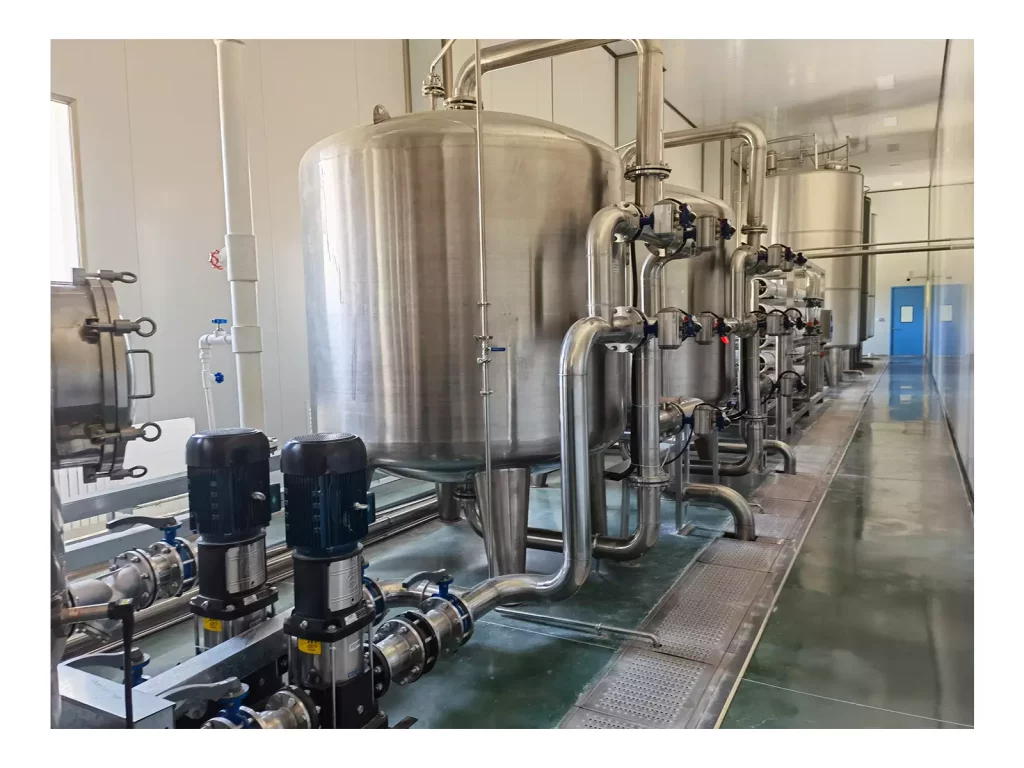
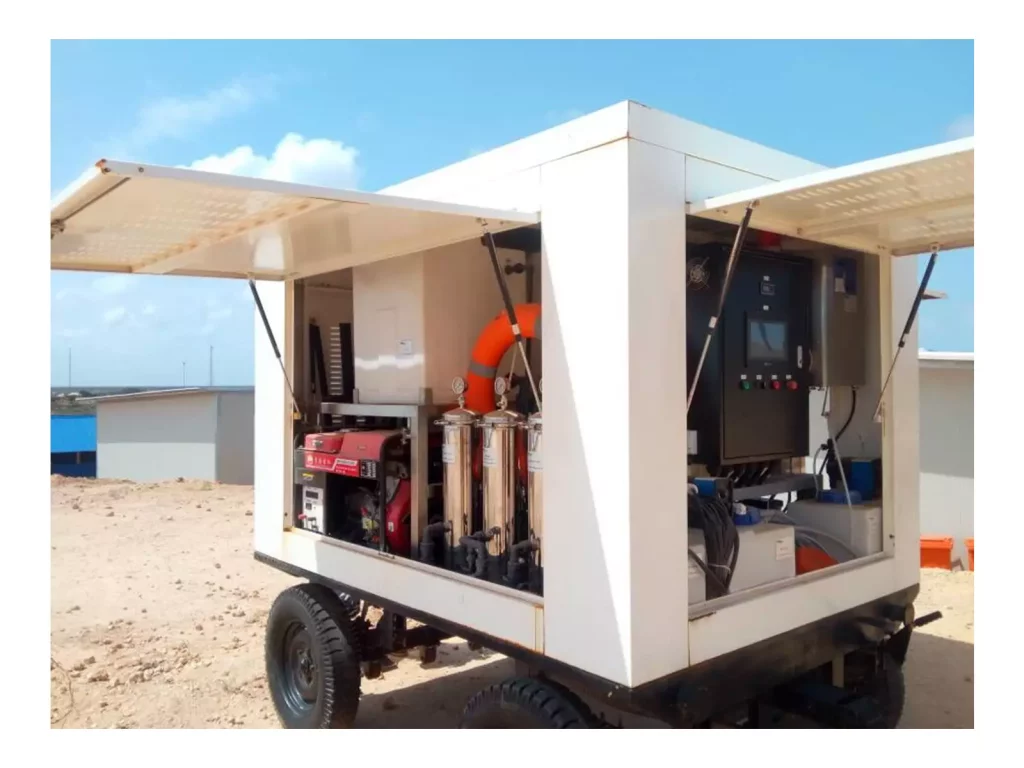
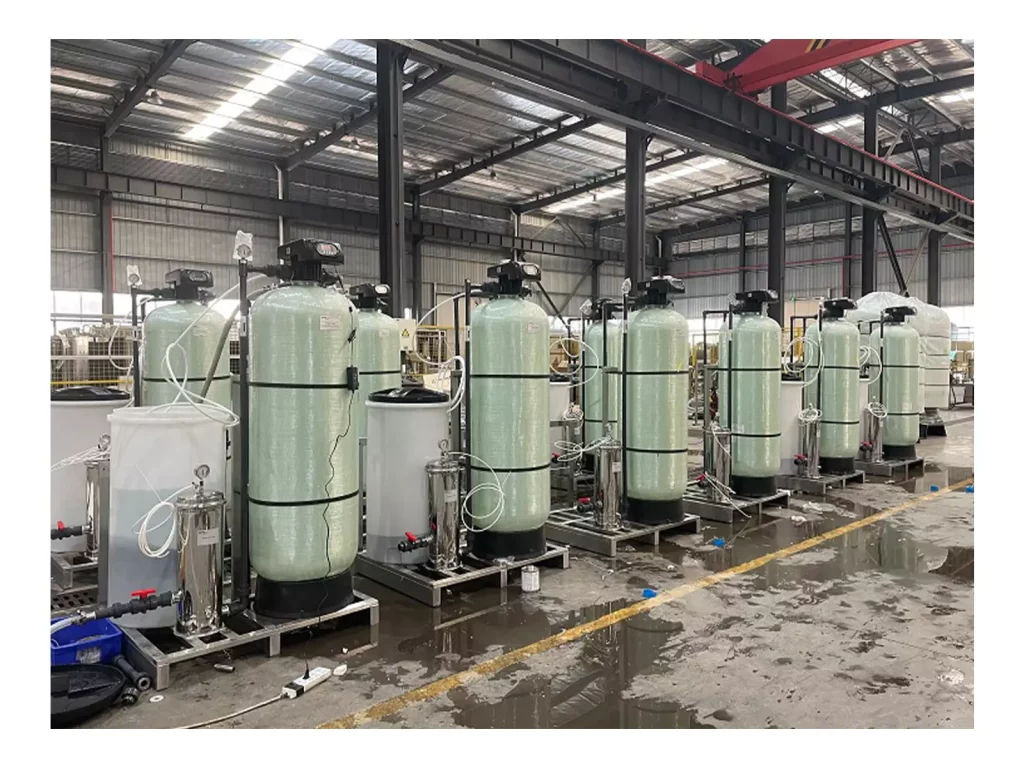
Depending on different water quality issues, well water filtration systems are usually composed of multiple modules rather than a single device.
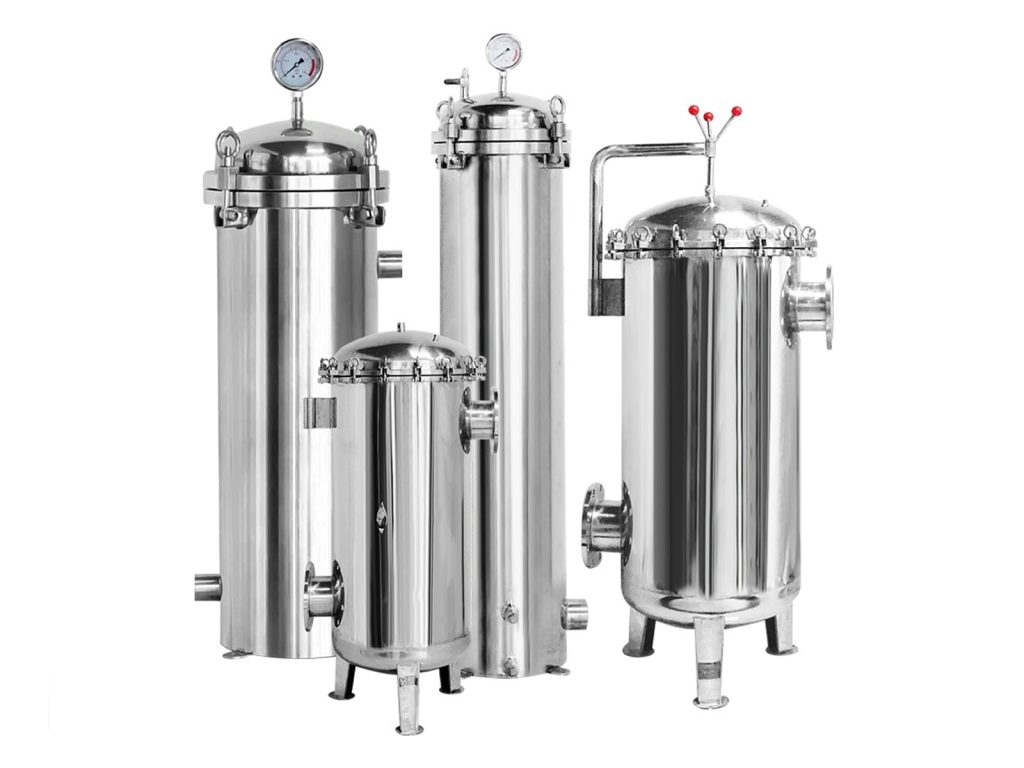
Pre-filtration and sedimentation treatment
It is mainly used to remove silt and suspended solids and protect the back-end equipment.
Iron removal filtration system
For well water with high iron and manganese content, reduce unpleasant odors, sedimentation and equipment corrosion.
It is used to improve the taste, reduce off-flavors, and adsorb some organic substances.
Ultraviolet sterilization system
It is used to control bacterial and microbial risks and is often used as an end safety barrier.
Terminal water purification or reverse osmosis system
It is suitable for scenarios with high requirements for drinking water quality and is usually used as a distribution point.
These systems are not all necessary but need to be reasonably combined based on the actual water quality conditions.
Do I Need a Water Softener for Well Water?
Not all well water needs to be softened, but a soft water system is worth considering when you notice the following situations:
- The scale is severe and the hot water equipment forms scale quickly
- The amount of detergent used has increased significantly
- The skin and hair feel dry after taking a bath
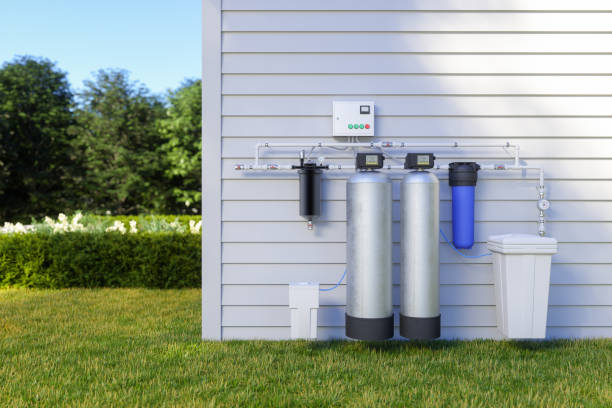
Well water softening systems are typically used to reduce water hardness and do not conflict with filtration systems; instead, they complement each other. A reasonable approach is: Filter first and then soften, rather than choosing the two.
How to Choose the Right Well Water Filtration System?
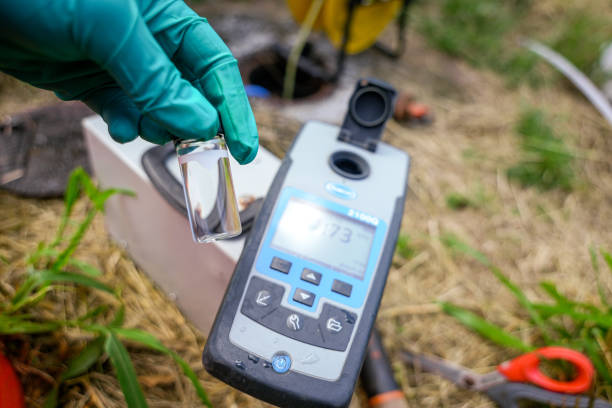
Test the water quality first
The water quality report is the foundation of the system design, not an auxiliary reference.
Clarify the usage scenarios
The demand varies significantly whether it is for domestic water use, agricultural water use, or commercial or industrial purposes.
Focus on the system matching degree rather than a single parameter
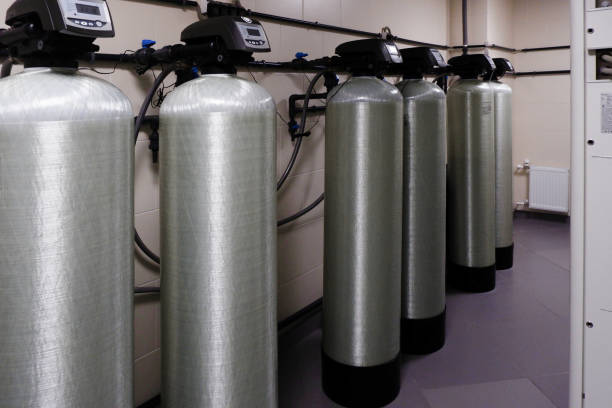
A suitable combination solution is often more stable than a high-configuration single machine.
Consider the later maintenance and operation costs
Filter material replacement, energy consumption and maintenance cycle will all affect the long-term usage experience.
Molewater Recommendation
Even for well water, the requirements for filtration, iron removal, softening and disinfection will vary significantly in different regions, well depths and usage scenarios. This is also why, in actual projects, the results of water quality tests and usage requirements are often more important than the model of the equipment itself. A reasonable system plan usually needs to be truly determined after understanding the raw water situation, water usage scale and expected goals.
If you are considering installing a well water filtration system for your home, farm or commercial premises, it is recommended that you conduct a targeted water quality assessment before making a final decision and communicate feasible solutions with a professional team that has system experience. By clarifying the problem itself, unnecessary equipment investment can often be avoided, and the system can also be made more stable in long-term operation.
Please feel free to contact us for further information on the recommended configuration of a well water filtration system suitable for your scenario, or for a preliminary evaluation of the solution based on water quality conditions. Based on your actual needs, we can offer you more targeted technical advice and systematic ideas to help you make your next choice more clearly.