When an experiment fails, people usually first check the reagents, the experimental procedures or the equipment. However, water is rarely included in the list of items to be checked, but it is often precisely at this stage that problems occur.
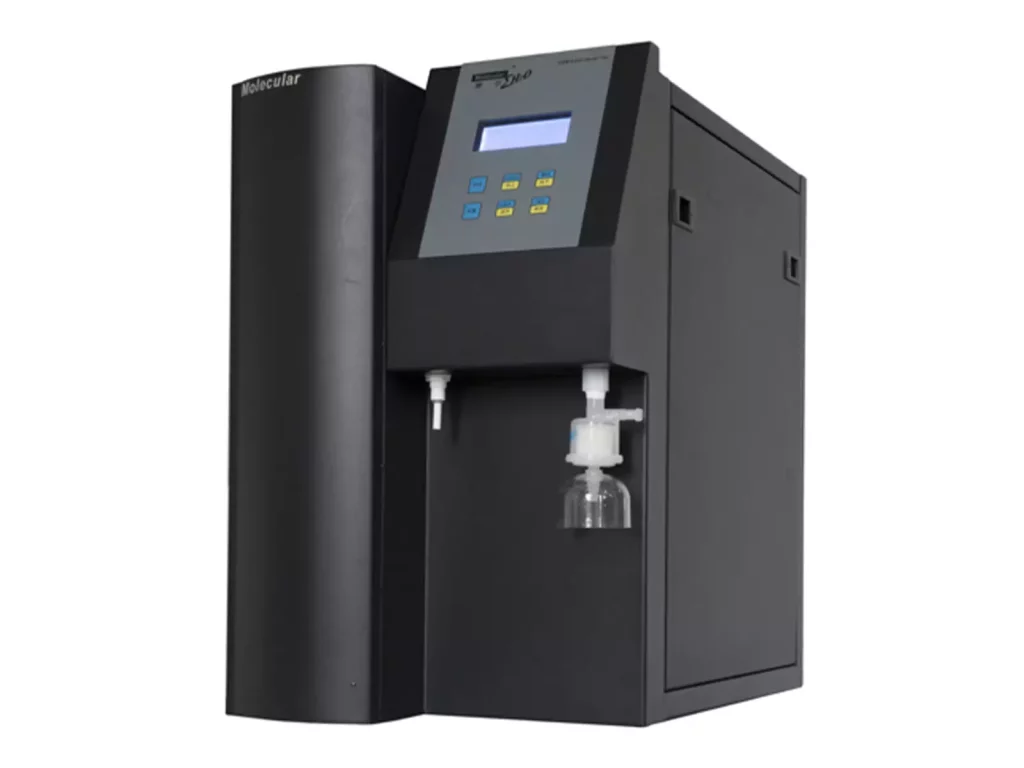
Ultrapure water is almost used in all kinds of laboratory work, ranging from high-performance liquid chromatography analysis to cell culture and polymerase chain reaction, etc. It appears clear and clean, but trace amounts of organic pollutants may quietly interfere with experimental results in an untraceable manner. If you are choosing a laboratory water system, it is very important to understand the function of TOC monitoring before making a decision.
Do You Know What Is TOC in Lab Water?
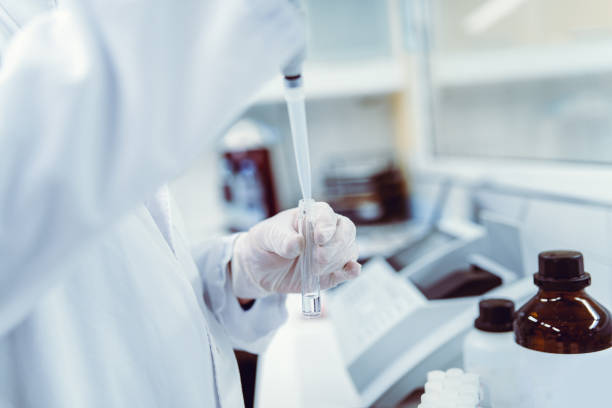
TOC stands for Total Organic Carbon. It measures the total amount of carbon-containing compounds dissolved in water — everything from residual solvents and microbial byproducts to trace plasticizers that can leach from tubing and internal system components over time.
For most lab applications, the concern isn’t any single contaminant. It’s the cumulative effect of many small organic traces that individually fall below detection thresholds but together can skew enzyme activity, affect cell viability, or shift chromatography baselines. TOC gives you a single, standardized number to track all of that at once.
Major standards set specific TOC limits for ultrapure water. USP <1231> sets a limit of 500 µg/L (ppb) for purified water, while ASTM Type 1, the highest grade of reagent-grade lab water, requires TOC below 10 ppb. If your lab operates under GLP, GMP, or ISO 17025 frameworks, meeting and documenting these limits isn’t optional.
How TOC Monitoring Works in Ultrapure Water Systems?
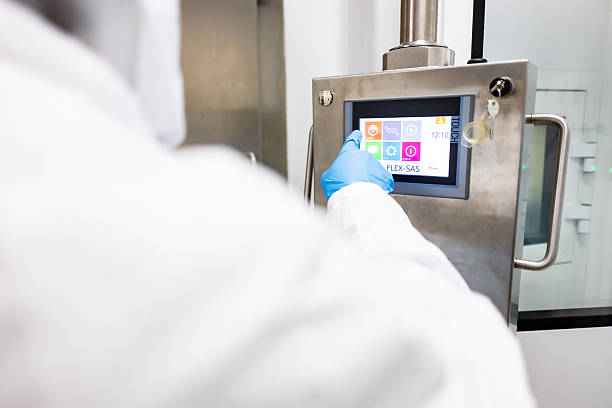
Most modern lab water systems with TOC monitoring use a method called UV oxidation combined with conductivity detection. In practical terms, it works like this: the water sample is exposed to UV light, which breaks down dissolved organic carbon compounds into CO₂. That CO₂ dissolves into the water and changes its conductivity, which is then measured and converted into a TOC reading.
This process can be continuously carried out in an online water quality monitoring system, which is fundamentally different from the method of sending water samples to a laboratory and waiting for the results. Through online monitoring, the system can track the water quality status in real time, and the data is usually updated every few seconds.
The significance of this distinction goes far beyond what it appears on the surface. Online TOC monitoring can capture changes in real time, while regular tests can only obtain a snapshot of data at a specific time point. Between these two data collections, significant changes can occur, especially after routine maintenance, filter replacement, or system restart, as trace contaminants are likely to increase significantly temporarily.
Key Features to Look for When Choosing a TOC-Monitored Lab Water System
This is where things get practical. Not all lab water systems with TOC monitoring are built the same, and a few key differences can have a real impact on how well the system actually serves your lab day to day.
Real-Time Monitoring vs. Periodic Testing
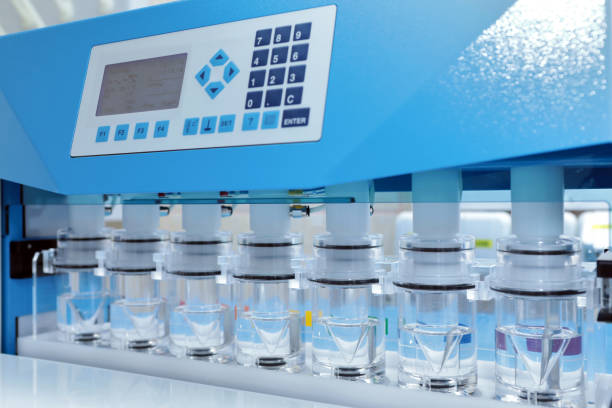
Some systems are equipped with built-in TOC sensors that can continuously measure, while others conduct manual sampling at predetermined time intervals. For most research laboratories, especially those conducting critical tests or handling sensitive biological materials, continuous monitoring can provide stronger quality assurance. Therefore, pay attention to those systems that can directly display real-time TOC readings on the equipment and automatically record the data without the need for manual input.
Detection Sensitivity
The sensitivity of the TOC sensor is more crucial than what many buyers initially expected. If your application requires the TOC content in water to be below 5 ppb (which is more common in trace metal analysis, advanced cell culture, or mass spectrometry), make sure that the sensor of this system can reliably detect this level, rather than just the 500 ppb threshold set by some entry-level systems. Be sure to review the specifications published by the manufacturer or have detailed communication with the equipment’s after-sales service.
Data Logging and Compliance Support
If your lab operates under any regulatory or quality assurance framework, data traceability is non-negotiable. Look for systems that can export TOC records in formats your QA team will accept CSV exports, PDF logs, or direct integration with a LIMS (Laboratory Information Management System). Some systems also support 21 CFR Part 11-compliant audit trails, which is a hard requirement for pharmaceutical and biotech labs.
Alarm and Response Mechanisms
A well-designed TOC-monitored system won’t just record readings, it will alert you when water quality moves outside acceptable limits. This could be a visual indicator on the display, an audible alarm, or a system-level trigger. The more important question to ask before purchasing: does the system automatically stop dispensing water when TOC exceeds your set threshold, or does it simply log the exceedance and continue running? That distinction can be the difference between catching a problem before it affects your work and discovering it afterward.
Maintenance and Calibration Requirements
TOC sensors require periodic calibration to remain accurate over time. Before selecting a system, find out how frequently calibration is needed, whether it can be performed in-house or requires a service technician, and what annual consumable costs (calibration standards, replacement sensors) typically look like. Some systems offer factory-calibrated sensors with long service intervals; others need more frequent attention. Factoring in ongoing maintenance costs alongside the initial purchase price gives a much more accurate picture of total cost of ownership.
Compliance Standards Worth Knowing
If you’re choosing a water system for a regulated lab environment, the following standards govern TOC limits in ultrapure and purified water:
- USP <1231> — The U.S. Pharmacopeia chapter covering water for pharmaceutical use. Sets TOC at ≤500 ppb for Purified Water and Water for Injection (WFI).
- ASTM D1193 — Standard specification for reagent-grade water. Type 1 (ultrapure) requires TOC ≤10 ppb.
- ISO 3696 — The international equivalent for analytical laboratory water. Grade 1 requires TOC ≤50 µg/L.
Knowing which standard applies to your specific work will help you set the right acceptance criteria and choose a TOC sensor with the appropriate detection range.
Related reading: USP Water for Pharmaceutical Purposes Overview | FDA Guidance on Laboratory Water | ASTM Reagent Water Standards
If you’re in the evaluation stage and not sure where to start, the team at Molewater can help you find the right system for your specific application. Whether you need guidance on TOC sensitivity requirements or help matching a water system to your workflow, feel free to reach out!