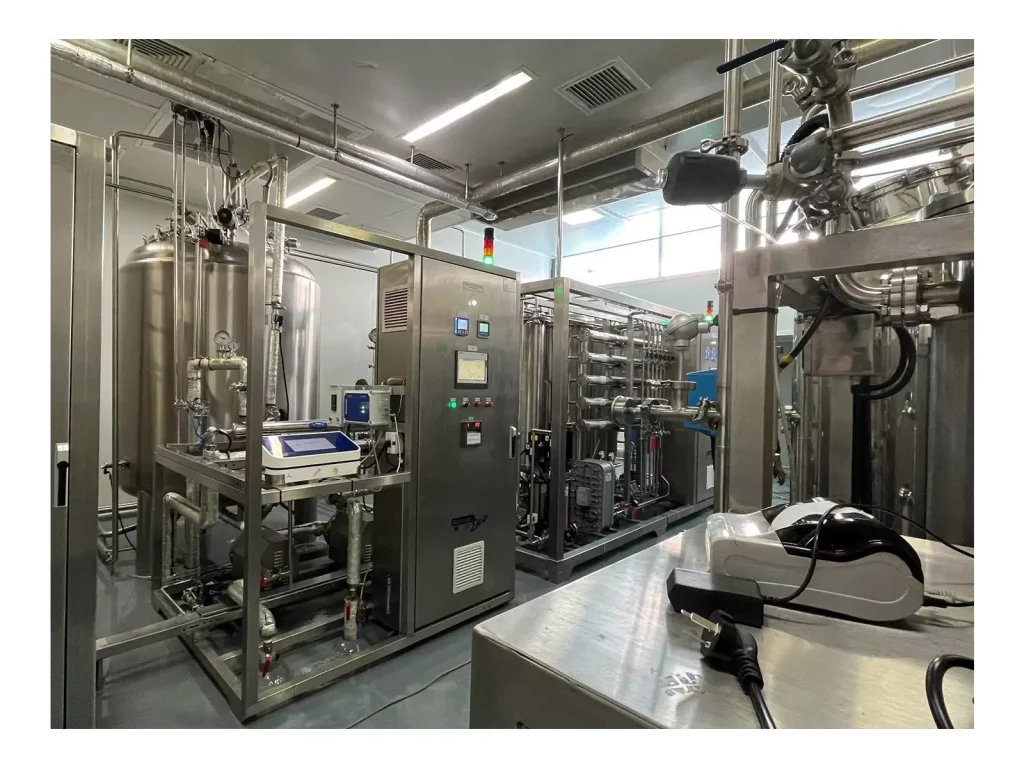

In modern healthcare, water is beyond a mere utility. It aids in medical procedures and control. Hospitals maintain high standards of hygiene because even minimal presence of bacteria can lead to dangerous outcomes.
This is why sterilized water is absolutely essential.
The use of non-sterile water in sensitive medical applications increases infection risk and endangers patient safety. The use of sterilized water enables safe operational procedures and protects medical equipment while assisting healthcare facilities in achieving their regulatory compliance needs for infection control and clinical operation efficiency.
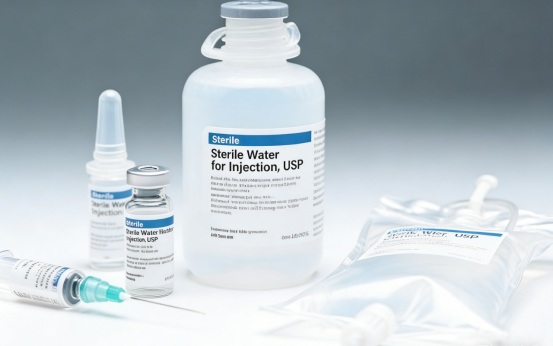
Risks of Using Non-Sterilized Water in Healthcare
The use of non-sterilized water in hospitals and clinics creates dangerous conditions which result in patient harm and reduced safety for healthcare operations.
Healthcare-Associated Infections (HAIs)
The World Health Organization (WHO) says millions of patients around the world get infections while they’re in the hospital every year. Contaminated water which contains germs acts as an undiscovered source of these pathogens which increases infection rates when it is used for medical procedures.
Equipment Contamination
Medical devices like dialysis machines, endoscopes and respiratory equipment need to be in clean and safe conditions. When non-sterile water is utilized in the course of cleaning or operations microorganisms could be accumulated and spread among patients.
Regulatory and Compliance Risks
Healthcare facilities must meet the strict requirements regarding sterility and water quality. In the event of a breach, it could result in legal penalties in the form of reputational damage, legal action, and even shutdowns of operations.
These risks are the reason why sterilized water isn’t an option, but a necessity to ensure the safety of healthcare delivery.
Top 5 Critical Applications of Sterilized Water
Sterilized water is utilized in various clinical processes in which contamination has to be removed. Here are the five most crucial applications.
| Application | Why Sterilized Water Is Needed | Risk Without It |
| Surgical Instruments | Helps prevent the spread of microbial pathogens | Infections post-surgery |
| Dialysis Treatment | It ensures that the water is pure for blood contact | Health complications that are severe |
| Injection & Pharmaceuticals | Maintains sterile drug preparation | Contaminated drugs |
| Wound Care & Irrigation | Reduces the possibility of infection in tissues that are open | The delay in healing, the infection |
| Medical Device Reprocessing | Eliminates residual contaminants | Cross-contamination between patients |
1. Surgical Instrument Cleaning and Sterilization
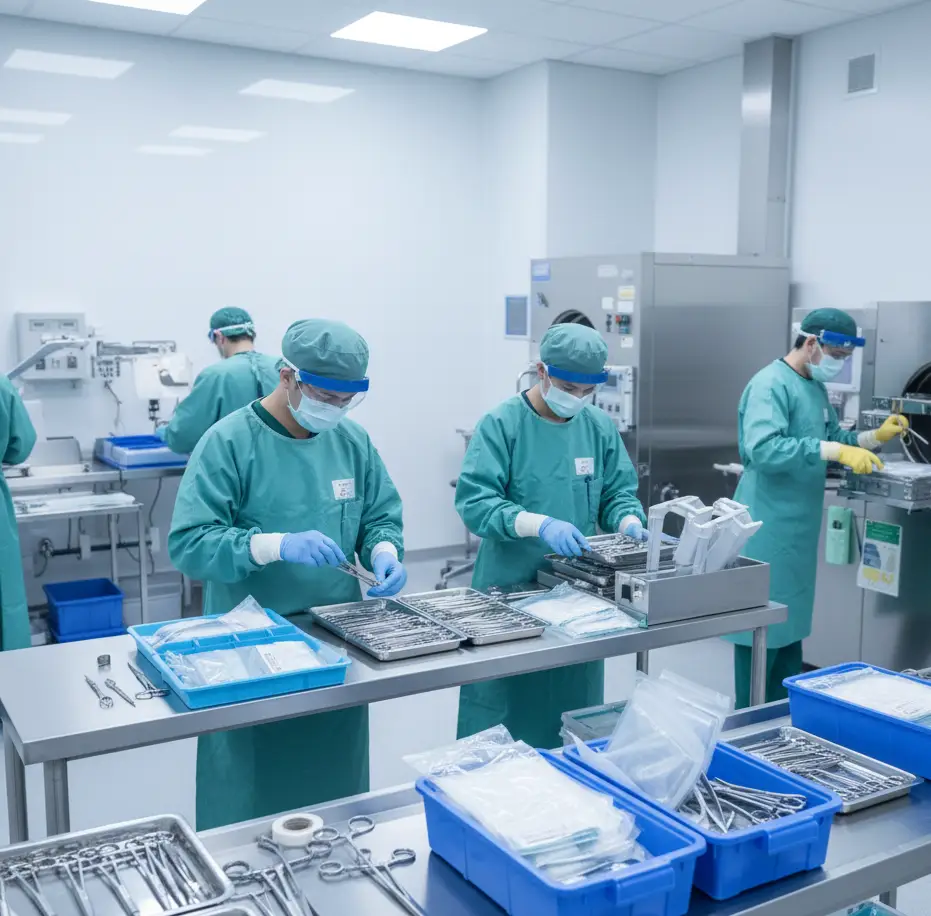
Surgical instruments must be completely free from microorganisms before use. Post-operative infections develop from even minor contamination which leads to complications and longer hospital stays. The cleaning and sterilization process uses sterilized water to eliminate all bacterial and pathogen contamination from surgical tools. It offers a secure environment for both rinsing and preparation operations which supports optimal surgical cleanliness standards.
2. Dialysis Treatment
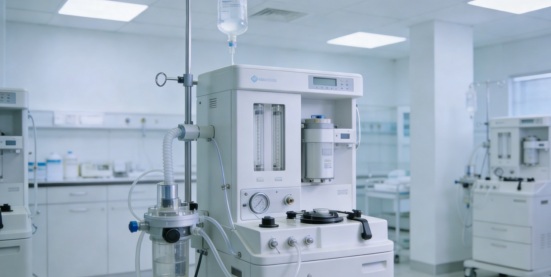
Dialysis is the medical procedure that requires the most water consumption. The treatment process requires a machine to filter a patient’s blood while it depends on the treatment process to maintain blood quality. Waterborne contaminants and pathogens can enter the bloodstream through indirect pathways which create serious health dangers. Dialysis systems need highly purified and sterilized water because it protects patient health. The application requires sterilized water because even tiny contaminants create major health risks.
3. Injection and Pharmaceutical Preparation
Injections and pharmaceutical preparations require absolute sterile conditions for their implementation. The water used to dilute medications or create injectable solutions must show complete absence of all microorganisms.
Using sterilized water helps to protect medications from becoming unsafe through contamination. The practice becomes critical for intravenous (IV) therapies because these procedures involve direct substance injection into the patient’s bloodstream.
For this situation, sterilized water functions as an essential requirement which protects lives.
4. Wound Care and Irrigation
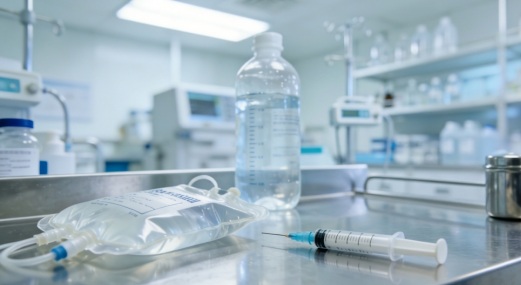
Proper wound care serves two purposes; it protects against infection and it helps the body to heal. Medical professionals use sterile water to disinfect wounds while they remove foreign materials and they stop bacterial growth.
The use of sterile water reduces the risk of dangerous microorganisms entering through open wounds when compared to non-sterile water. The requirement becomes vital for surgical wounds and burn cases and chronic injuries because these situations present higher chances of developing infections.
5. Medical Device Reprocessing
Medical facilities need to perform thorough cleaning and disinfection processes on endoscopes and catheters and respiratory equipment before any new applications of these devices.
The process of reprocessing used medical equipment depends on sterilized water to eliminate all traces of contaminants which remain after the cleaning process. The process protects against cross-contamination between patients while it establishes that all devices comply with rigorous cleanliness requirements.
The procedure becomes mandatory in safe environments because it protects both patient welfare and functional workflow.
A Reliable Solution for Medical Water Systems
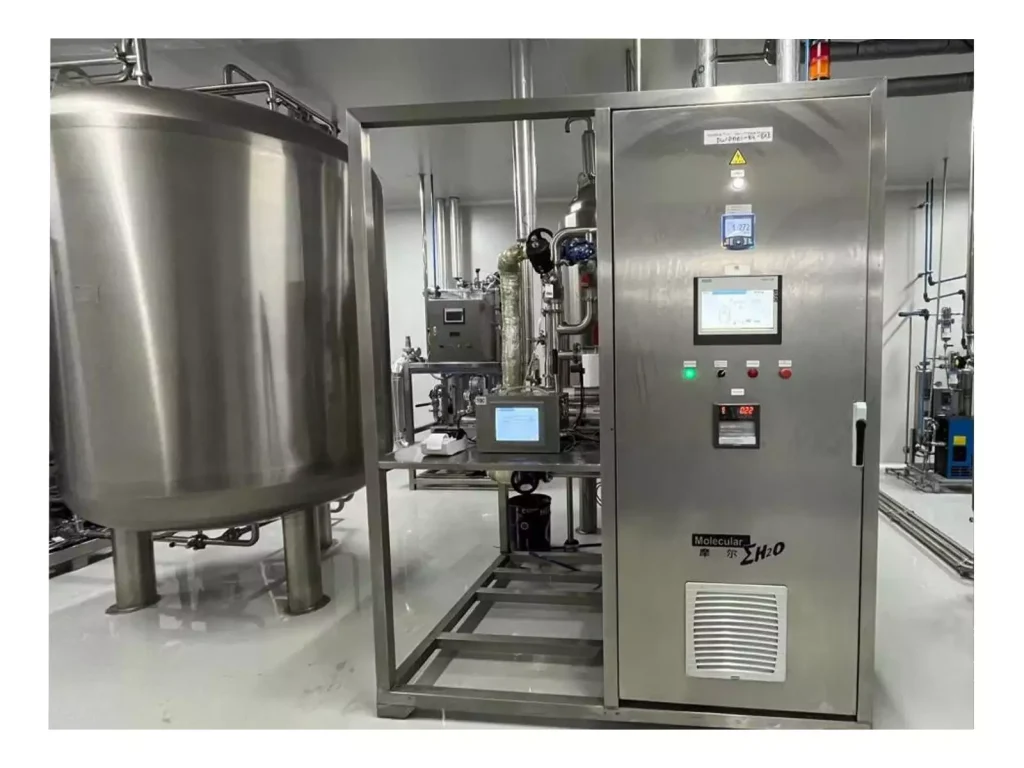
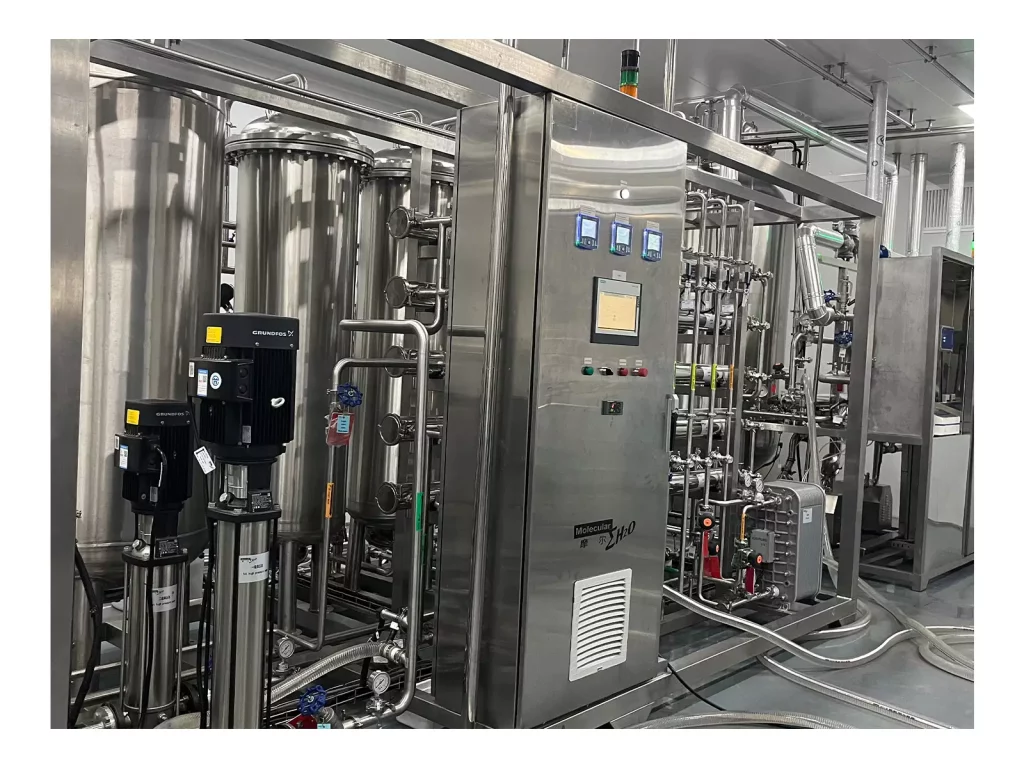
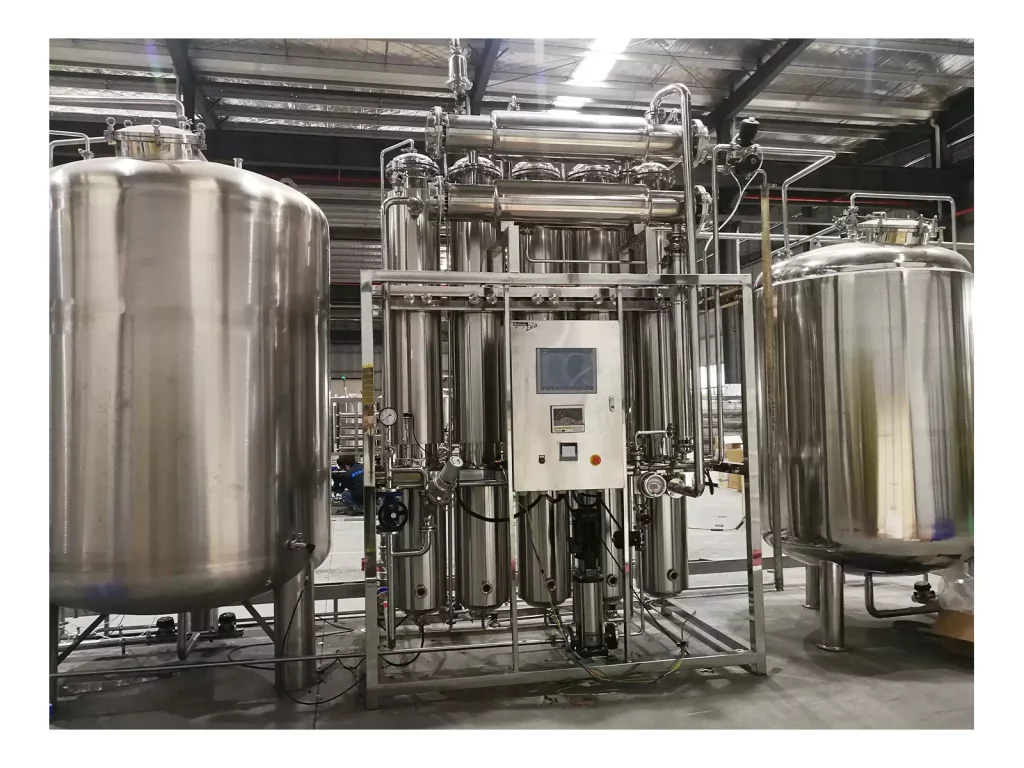
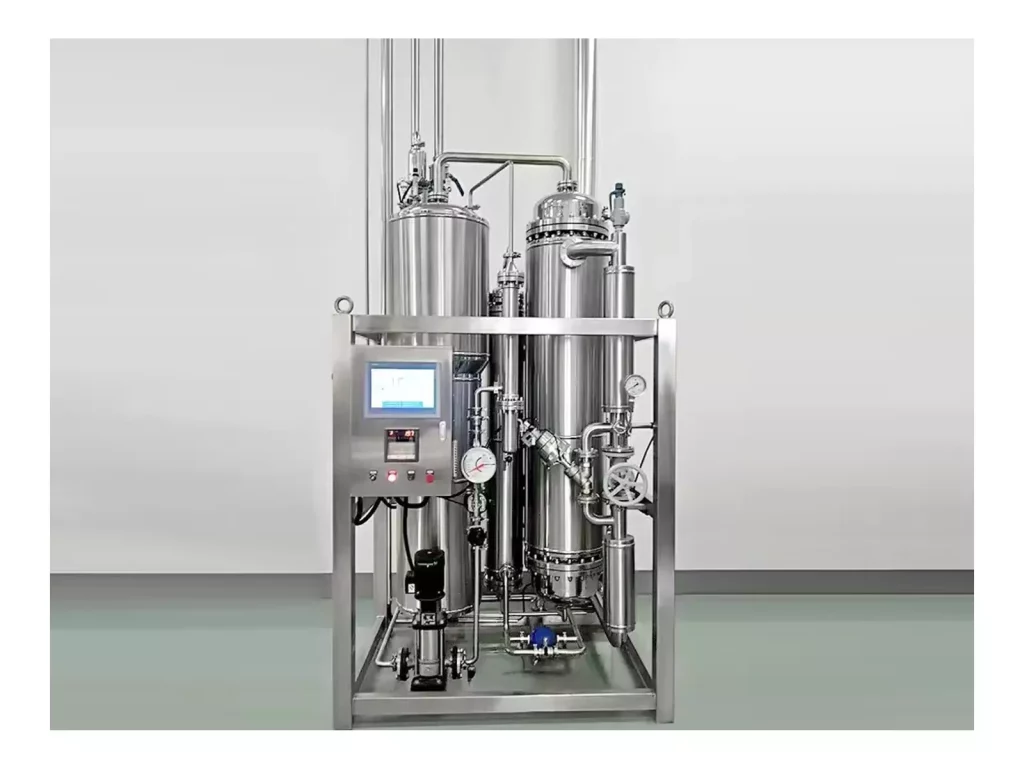
In light of the importance of sterilized water in the healthcare sector selecting the appropriate method of water purification is crucial.Hospitals and clinics require solutions that deliver consistent quality, meet regulatory standards, and operate reliably under demanding conditions.
This is where Molewater provide value. The company provides advanced water purification and sterilization systems which enable healthcare facilities to achieve their water quality requirements in different use cases.
A reliable system should provide:
- Consistent sterilized water output
- Healthcare regulation compliance
- System operation with reduced downtime needs
- System operational safety and stability throughout its lifetime
A healthcare facility needs a water system which operates effectively as its main utility to ensure patient safety and clinical operations succeed.
Sterilized Water Is a Critical Part of Patient Safety
Sterilized water serves as an essential requirement for contemporary healthcare practices. Its application extends from surgical instrument preparation to three areas of pharmaceutical use and wound treatment and device cleaning procedures.
The dangers that non-sterile water presents through infection and contamination together with regulatory problems drive the need for high-quality sterilized water. The element functions as a vital part that ensures medical procedures remain both safe and effective.
Healthcare organizations can achieve improved patient outcomes together with enhanced operational efficiency through their commitment to building reliable water systems while upholding high-quality standards.
Today’s healthcare system relies on sterilized water to function as both a resource and an essential protection that ensures patient security and optimal clinical performance.