Even small amounts of silica, dissolved ions organic contaminants, or silica cause corrosion, scaling, and damage to turbines.According to the Electric Power Research Institute, poor water chemistry is among of the main causes of inefficiency loss and unplanned breakdowns in thermal power facilities.
This is the reason that ultrapure water for power industries is now a standard requirement. Among the available technologies, EDI (Electrodeionization) is emerging as a highly efficient and sustainable solution for producing consistent ultrapure water.

Power Industry Requires High-Grade Ultrapure Water
Pure water for power industries isn’t a luxury; it’s required to safeguard the most valuable assets and to ensure the regulatory conformity. Steam turbines and heat exchangers work in extreme pressure and temperature conditions, which make them very vulnerable to water contaminants.
The main dangers of using substandard water supplies include:
- Scale and Deposition – Boiler tubes accumulate hard deposits which contain calcium, magnesium, and silica, and this buildup decreases heat transfer efficiency while it raises fuel consumption.
- Flow-Accelerated Corrosion (FAC) – The presence of ionic impurities in piping and pressure vessel systems causes accelerated wall thinning which creates safety risks through potential leaks.
- Turbine Damage – Moisture droplets which contain dissolved salts create erosion and pitting on turbine blades, which decreases operational efficiency while shortening their service life.
The global power industry loses billions of dollars each year because unscheduled maintenance occurs when water damage affects operations.
IAPWS standards clearly specify that boiler feedwater must maintain extremely low conductivity, silica levels, and ion concentrations. The strict specifications can only be fulfilled through the production of ultrapure water which advanced treatment systems create.
Benefits of EDI Technology for Power-Grade Ultrapure Water
EDI technology can solve the primary problems of producing ultrapure water for power plants by providing the ability to quantify and data-backed advantages.
1. Stable and Consistent Water Quality
EDI systems provide stable output with no fluctuations, which ensures that the water quality is at or below IAPWS as well ASTM standards throughout the day. This ensures that there is no risk of water quality that is inconsistent affecting the performance of turbines or boilers.
2. Chemical-Free and Environmentally Friendly
Traditional Ion Exchange systems require the use of caustic and acid producing hazardous waste and posing greater safety risks. EDI is powered by electricity, which reduces the use of chemicals by almost 100%, and decreasing costs for environmental compliance.
3. Continuous 24/7 Operation
Contrary to mixed-bed systems which require the regeneration of offline power, EDI module run indefinitely. For power plants that are base load, this continuous operation significantly lowers the chance of downtime and boosts overall availability of the plant.
4. Lower Long-Term Operating Costs
Based on benchmarks from industry experts, EDI systems reduce maintenance cost by between 40 and 60% compared to traditional polishing equipment. They also increase the lifespan for downstream equipment, thus increasing the total costs of ownership (TCO).
5. Compact, Automated, and Easy to Integrate
Modern EDI systems provide fully automated control, with real-time monitoring of resistanceivity flow, pressure, and resistivity. Their modular design helps save space and seamlessly integrates into existing water treatment systems in power plants.
EDI + RO: The Gold Standard System for Power Plants
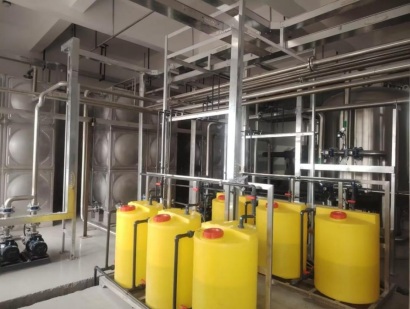
A typical water quality for RO + EDI system for the Power Industry
| Parameter | RO Permeate | Final EDI Ultrapure Water | Industry Requirement |
| Conductivity | 1–5 μS/cm | < 0.1 μS/cm | < 0.1 μS/cm |
| Resistivity | 0.2–1 MΩ·cm | 10–18.2 MΩ·cm | ≥ 10 MΩ·cm |
| Silica (SiO₂) | < 0.1 ppm | < 0.005 ppm | < 0.01 ppm |
| TDS Removal | 98–99% | 99.9%+ | 99.9%+ |
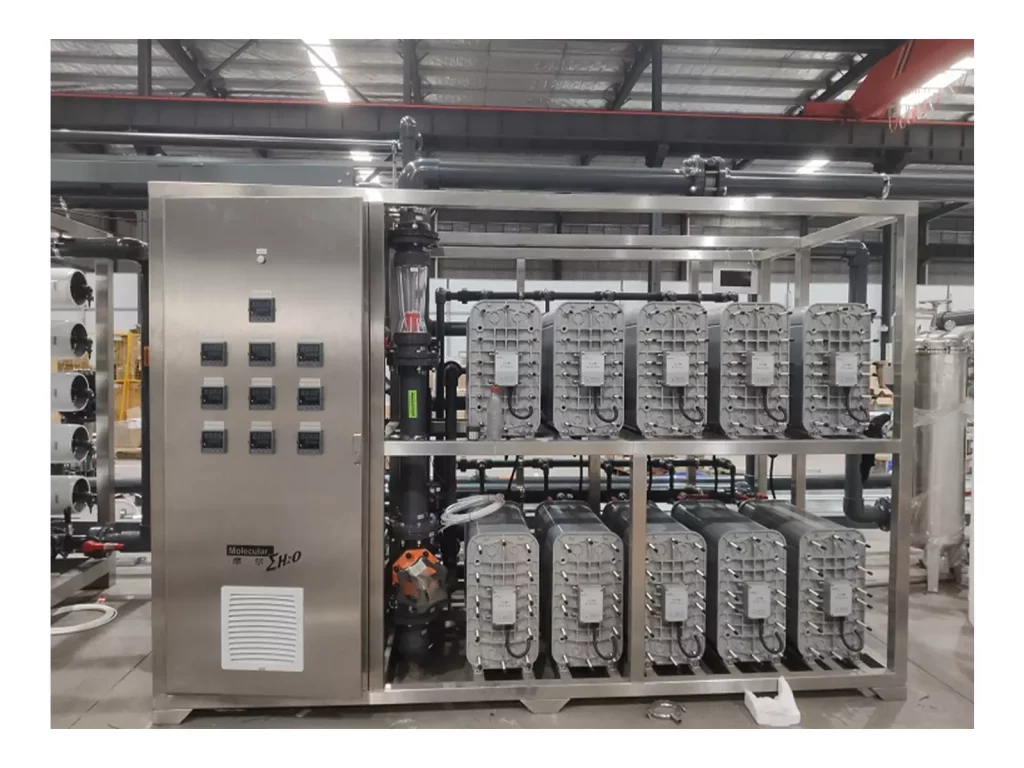
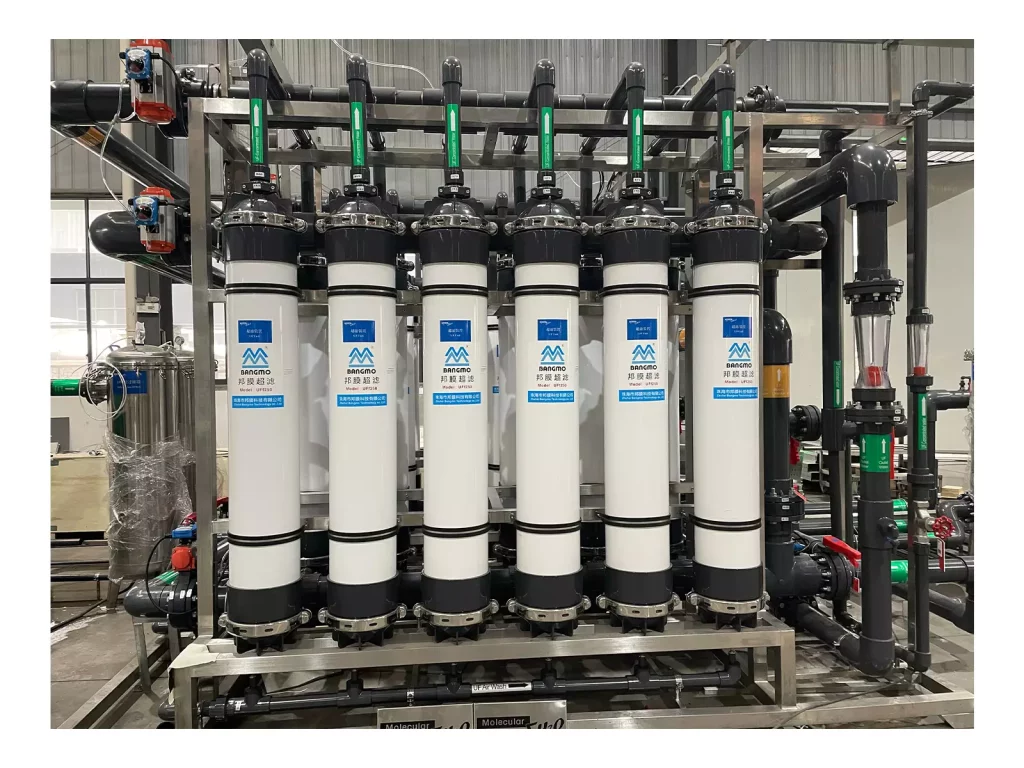
To create ultrapure water in the power industry the most reliable solution is a RO and EDI-integrated system. This combination provides high performance and meets the strictest requirements for water purity.
Double-Pass RO gets rid of the majority of organics, dissolved salts and colloidal material.
EDI removes any remaining ions in order to reach the specifications for ultrapure water.
This system is extensively used in:
- Ultra-high-pressure and high-pressure boiler water feedwater
- Systems for polishing condensate
- Cooling water treatment
- Zero Liquid Discharge (ZLD) applications
- Auxiliary power systems, as well as waste heat recuperation units
Independent testing has shown that RO and EDI systems produce water with conductivity lower than 0.1 μS/cm, completely satisfying the requirements of the latest equipment for power Industry.
Applications of EDI Ultrapure Water in the Power Industry
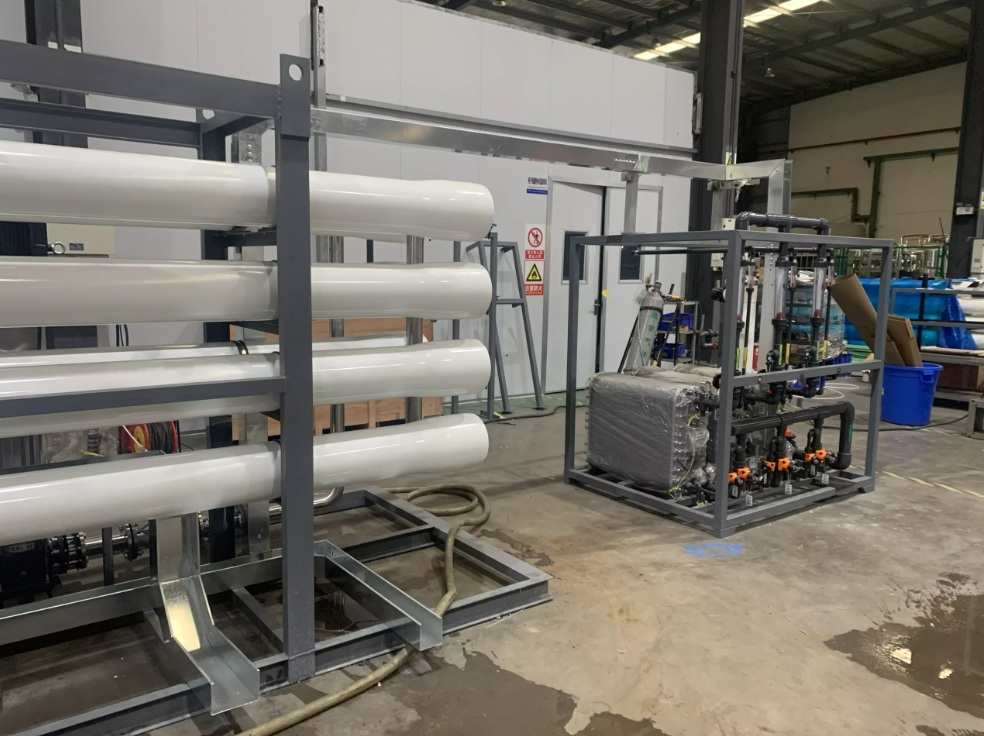
Power plants depend on EDI ultrapure water systems to operate all essential water systems throughout their facilities.
Boiler Feedwater Treatment
Boilers require ultra-low ion concentrations to prevent scaling and corrosion. EDI maintains consistent water quality throughout various operational load conditions.
Condensate Polishing
Recycled condensate often contains trace contaminants. EDI systems treat recycled water through polishing processes which extend equipment lifespan and decrease the need for freshwater resources.
High-Pressure Steam Systems
Pure steam protects turbines and heat recovery steam generators (HRSGs) from erosion and fouling which enables them to maintain peak energy conversion efficiency.
Zero Liquid Discharge (ZLD)
Environmental regulations have become stricter which has made EDI essential for ZLD implementation by providing organizations with tools to reuse maximum water resources while decreasing waste disposal.
Nuclear and Thermal Power Support Systems
The non-radioactive auxiliary water systems use EDI technology to achieve safety requirements, operational stability, and strict industry standard compliance.
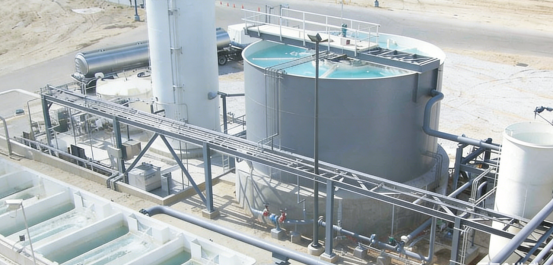
Molewater EDI Systems Lead in Ultrapure Water for Power Industry
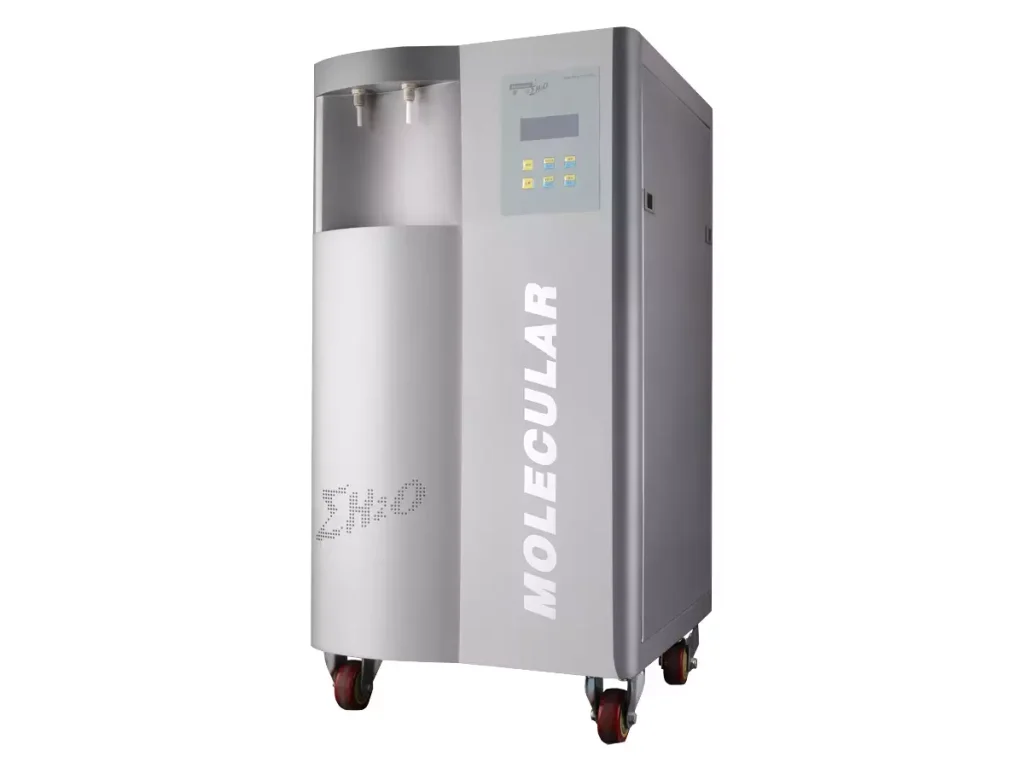
Molewater has long specialized in industrial water treatment, with extensive experience delivering ultrapure water solutions tailored for the power industry. Its EDI systems are designed based on real power plant operating conditions and comply with international standards including IAPWS, ASTM, and GB.
Key advantages of Molewater EDI solutions:
- Robust, industrial-grade modules designed for continuous operation
- Optimized RO + EDI integrated systems with intelligent monitoring
- Stable performance under variable flow and load conditions
- Low energy consumption and minimal maintenance
- Full lifecycle support: engineering, installation, commissioning, and after-sales service
Molewater’s installations across thermal power, cogeneration, and industrial power facilities confirm that EDI technology significantly improves reliability, reduces failure rates, and lowers operational expenses.