It’s no longer a cost for doing business; it’s a strategic threat. As utility prices rise and discharge regulations become more stringent, and drought cycles become more unpredictable, industrial facilities that considered water to be an unlimited input are now being pressured to reconsider the way they treat water. The good news is that conservation of water doesn’t mean just cutting down on. It’s about creating better, more resilient businesses. Here are the strategies that are improving the efficiency of industrial facilities of today.
Why Water Conservation Matters for Industrial Operations
The size of industrial water demands is not difficult to underestimate. Globally, the industrial sector accounts for around 20% of the drinking water from freshwater sources (UNESCO) and this demand is not slowing down. Global manufacturing water demands are expected to double or more in size, increasing from around 300 to 350 cubic kilometers by 2050. In the United States, where direct industrial withdrawals constitute less of total withdrawals, both industrial and manufacturing companies still consume around twelve percent of nation’s supplies of water (U.S. EPA).
Beyond the volume, there are three forces that are coming together in order to turn conservation into a prioritization rather than a nice-to-have: increasing utility and wastewater surcharge costs, more stringent discharge permit requirements, and the growing demand from customers and investors to publish reports upon ESG performance. Facilities that act quickly get a cost and advantages in compliance over those who put off action.
Common Sources of Water Waste in Industrial Facilities
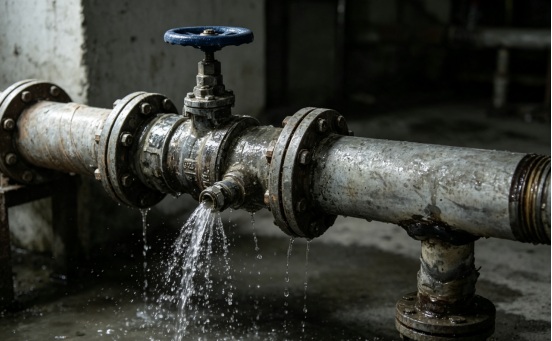
To fix the issue, it is important to understand where the water goes. The most common causes are aging pipes and valves, which leak quietly for months in a row, single-pass cooling or rinse procedures that send usable water right to the sewer; and a lack of real-time metering, which allows managers to guess rather than measure. The habits of the operator – operating equipment using manual cycles instead of optimised ones – can add up.
Key Water Conservation Strategies for Industrial Use
1. Conduct a Water Audit and Install Sub-Metering
It is impossible to control what you don’t know about. An all-encompassing water audit for the entire facility together with sub-meters of important processes, pinpoints precisely which areas of the facility are using too much water, which can reveal savings of 20-30 percent prior to any changes being implemented.
2. Optimize Production Processes and Equipment
The upgrade to water-efficient nozzles closed-loop rinse systems, as well as demand-based controls can reduce the amount of water required per output unit and often has an amortization period of less than two years.
3. Implement Water Recycling and Reuse Systems
Water used for cooling, wash water and process water can often be reused and treated rather than being discharged with one pass. This is among the most efficient strategies for industries that use water heavily.
4. Adopt Wastewater Treatment and Reclamation Technologies
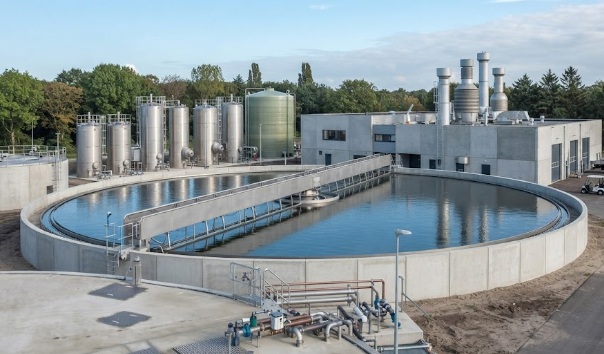
This is where recycling plans become kind of operational in reality. A well built wastewater treatment system lets facilities condition effluent to a quality that works for reuse in cooling, irrigation, or other non potable operations—turning a waste stream into a resource stream, while still satisfying discharge compliance
5. Pursue Zero Liquid Discharge (ZLD) Where Feasible
In high consumption settings or tightly regulated sectors like chemical processing and pharmaceuticals, ZLD systems recover basically nearly all process water. Sure, it is a major capital commitment, but it often pays off via compliance certainty too and long term water security.
6. Fix Leaks and Prioritize Preventive Maintenance
Leak detection is probably the lowest cost, quickest payback conservation method out there—yet it’s also among the most ignored in practice.
7. Train Employees and Build a Water-Conscious Culture
Technology alone will not solve inefficiency if workers aren’t taught to utilize it properly. Simple procedures — turning off equipment that is idle, logging leaks, and following the optimal cycle of washing — can become more complex over time.
8. Leverage Smart Monitoring and IoT Sensors
With real-time dashboards, plus automated shut-off systems, anomalies get spotted fast , within hours instead of weeks. That way, what might turn into major losses stays small, or doesn’t happen at all.
Industry-Specific Considerations
Water conservation really isn’t one size fits all. For food and beverage plants, what helps the most is recovering rinse water plus the pasteurization water, in practice. Now, chemical and pharmaceutical facilities usually can’t just jump into reuse; they require solid pretreatment first, mainly because the effluent is more complicated than people expect. In power plants, cooling water recirculation matters a lot, since it lowers withdrawal volumes. And for municipal and construction projects, the biggest wins often come from distributed modular treatment units, deployed on site instead of depending on centralized infrastructure.
The Business Benefits of Industrial Water Conservation
If you do industrial water conservation right, the business benefits go way further than just the water bill. You can expect reduced combined water and wastewater surcharge costs, less compliance risk, fewer permit issues, and better ESG reporting that investors and customers tend to look for. There is also more operational steadiness when local water restrictions tighten or when supply disruptions happen.
How to Build a Water Conservation Plan for Your Facility
1. Start by assessing current usage, with a solid water audit that actually looks under the hood
2. Set measurable targets that tie into production volume, not only total gallons
3. Go for low cost, high return fixes first like leak repair, better metering, and small process tweaks that add up
4. After that, invest in treatment and reuse infrastructure, because that’s where the biggest long term gains usually show up
5. Keep monitoring continuously and adjust as production ramps up, and as regulations evolve, because nothing stays the same
Why Partner with a Professional Wastewater Treatment Provider
Generic equipment usually doesn’t match the real complexity of industrial effluent. In practice, each facility has its own water chemistry, operating volume, and regulatory situation. That’s why customized system design matters more than off-the-shelf hardware . Molewater has spent more than 20 years engineering wastewater and reuse systems for over 500 projects across food and beverage, chemical, medical, municipal, and power industries , helping clients turn compliance requirements into measurable water savings.
Industrial water conservation is no longer optional, it is basically a competitive edge. The facilities that treat water with intent, starting with an audit and then moving toward reuse and reclamation, will usually spend less, meet rules more smoothly, and keep running with stronger resilience than those still treating water as an afterthought. If your facility is ready to go from plan to execution, Molewater’s wastewater treatment systems can help you turn conservation ambitions into measurable results.