

When you’re in charge of a drinking water treatment system, one question arises more often than you might think: does it need to run 24/7? Running a system too long consumes energy and speeds wear. But if you don’t pay attention, leaving it idle might quietly create bigger difficulties. Not that it’s as easy as, “the more it runs, the better.”
This article explains how often a drinking water treatment system should be operated, what to pay attention to during extended shutdowns, and how to prepare for safely stopping and restarting your system.
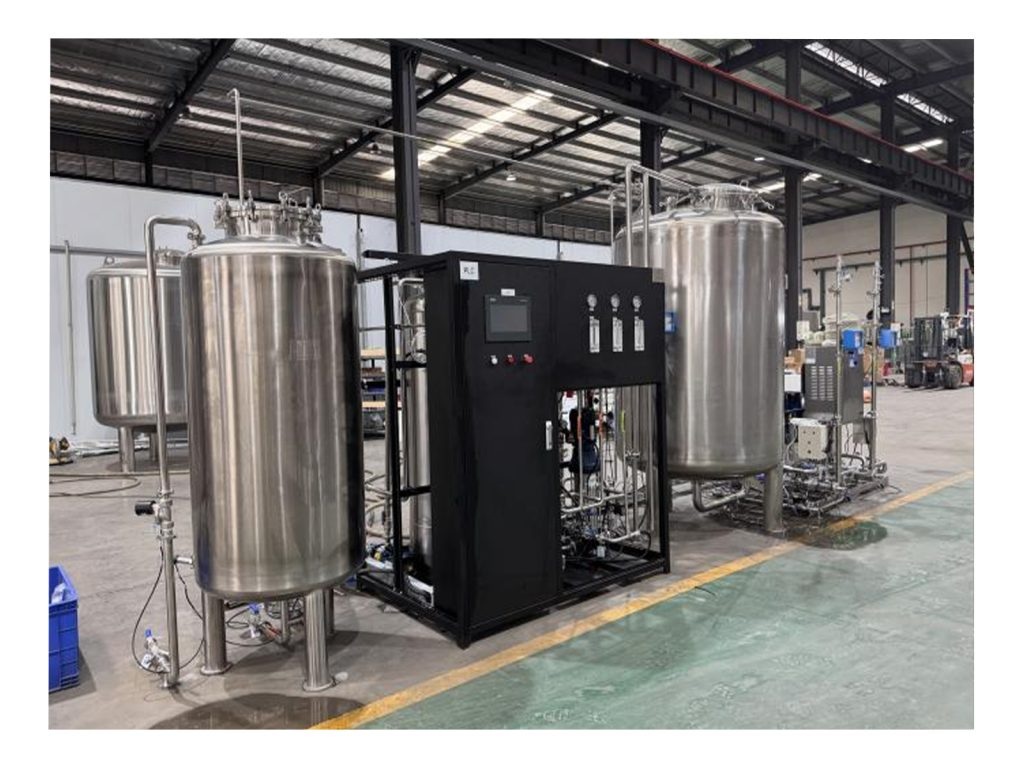
Does a Drinking Water Treatment System Need to Run Every Day
Not necessarily. This is one of the more persistent misconceptions in water treatment plant operation—that longer run time automatically means safer or better water. In practice, the right schedule depends on your water demand, system configuration, and the type of treatment processes you’re using.
Some systems, particularly those supplying large facilities or communities with continuous demand, do need to operate around the clock. Others can run intermittently with no issues, as long as storage capacity is sized to cover the gaps in production. The goal is to match operation to actual demand rather than defaulting to “always on.”
It’s also worth noting that different treatment processes have different operating needs. UV disinfection units are generally designed to run whenever water flows through. RO membranes can tolerate scheduled downtime but need proper flushing at start-up. Chemical dosing systems may need adjustment based on flow rates and contact time. Recognizing these differences is a core part of good water treatment system maintenance.
To put this in perspective, here’s a quick overview of the most common operating patterns and what typically drives each one:
| Operating Pattern | Best Suited For | Main Consideration |
| Continuous operation | High and steady water demand | Stable supply and system monitoring |
| Daily intermittent operation | Predictable daily demand with storage | Proper start/stop control |
| Demand-based automatic operation | Changing water consumption | Reliable controls and tank capacity |
| Extended shutdown | Seasonal or temporary closures | Preservation and restart procedures |
What Happens During a Long Shutdown
There’s an important distinction worth drawing here: a brief overnight stop or a weekend pause is a normal part of water treatment plant operation. What deserves more attention is when a system sits completely idle for weeks or months at a time.
Stagnant Water and Water Quality
Things change quickly when water stops flowing via pipelines, tanks and filters. Residual disinfectant can gradually decline, allowing microorganisms to regrow in stagnant water. This process can become noticeable within just a few days, depending on system design and temperature. According to the WHO Guidelines for Drinking-water Quality, microbial regrowth is a known risk in stagnant parts of piped distribution systems—a principle that points to why keeping water moving is fundamental to water quality management.
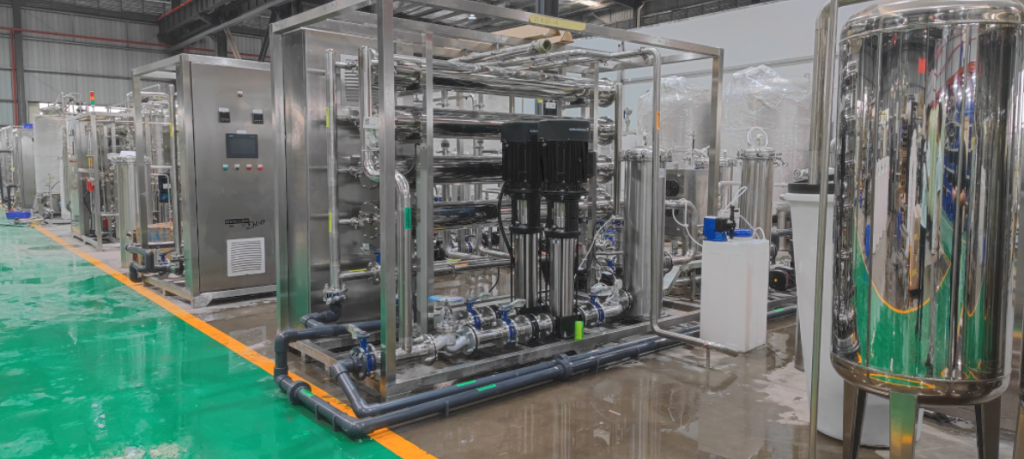
Filters and Membranes After a Long Shutdown
Media filters can harbor biological growth if left wet and inactive for extended periods. RO membranes are particularly sensitive: without appropriate preservation measures, fouling and irreversible damage can develop over time. RO membranes may require specific preservation procedures during extended shutdowns, depending on the membrane type and manufacturer’s requirements.
Getting the System Ready to Run Again
Water treatment systems that have been down for a long time aren’t as simple as flipping the switch back on. An organized restart usually includes flushing the system, checking disinfection performance, and verifying water quality before the water is returned to service.
The right level of attention at each stage depends largely on how long the system has been idle. The table below outlines what tends to matter most at different shutdown durations:
| Shutdown Period | Main Concern | Typical Actions to Consider |
| A few days | Temporary inactivity | Follow normal shutdown procedures |
| Around a week or longer | Stagnant water and component condition | Inspect and flush as needed |
| Several weeks | Filter and membrane condition | Review preservation and replacement requirements |
| Months or longer | System condition before restart | Inspection, cleaning, disinfection or component servicing as required |
*The exact response depends on the system and treatment process, so these time ranges are only general guidance.
How Should You Prepare for a Long Shutdown
Preparation is really important if you know your system is going to be down for more than a few days. This phase is one of the most typical reasons systems have problems when they come back online. There are several things to address before the shutdown:
1. Confirm how long the system will be idle
What you do for a two-week shutdown is different than what you do for a three-month outage. Knowing the timeframe guides you in choosing the proper technique of preservation for each component.
2. Follow the manufacturer’s shutdown procedure
Most reputable equipment suppliers provide specific guidance. If yours doesn’t have written procedures, that’s worth addressing.
3. Flush, clean, or preserve components as required
Membranes, filters, and chemical dosing lines each have different needs. Leaving chemical solutions sitting in dosing lines can cause residue buildup or internal corrosion over time.
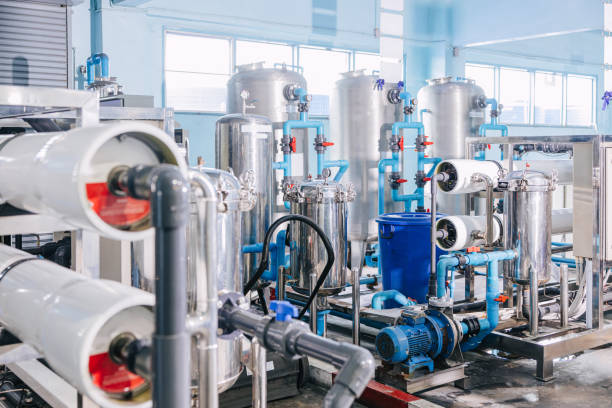
4. Check filters, membranes, pretreatment and storage components
Note the condition of each before shutdown so you have a clear baseline when it’s time to restart.
5. Plan the restart and water-quality checks in advance
Allow enough lead time to flush, test, and verify quality before putting the system back into service.
What Should You Check Before Starting the System Again
Restarting after a water treatment system shutdown calls for more than just powering the equipment back on. A pre-startup inspection helps catch issues before they affect water quality or cause unnecessary equipment damage.
Start with a visual check of all major components. Look for signs of corrosion, sediment buildup, or any leaks that may have developed during the idle period. Confirm that all valves are in the correct position and that chemical supplies—disinfectants, scale inhibitors, and so on—are full and within their service life. Run a flush cycle to clear stagnant water from pipelines before bringing the full system online.
After the system is online, monitor important parameters closely for the first few hours: pressure, flow rate, turbidity, and disinfectant residual. Do not release water to end consumers unless you are certain that quality satisfies your required criteria. Keeping a written log of these checks is also a practical habit for ongoing water treatment system maintenance, and it creates a useful record if questions come up later.
Getting the operating schedule right—and knowing how to handle shutdown and restart properly—is fundamental to running a drinking water treatment system safely and efficiently. Whether it’s a short or long term shutdown, planning it well will help you protect your equipment and those that rely on your water.
Molewater has supported water treatment projects across more than 80 countries with over 20 years of experience, and can help you think through the operational needs of your system. Contact us if you’d like to discuss your specific situation.