

You walk by the RO skid and notice that the permeate conductivity has increased from last week. Although flow appears normal and no alarm has sounded, the number causes concern. In this scenario, most operators would look to the membrane.
Membranes are not always the culprit, and high RO permeate conductivity is sometimes caused by a wandering meter, variations in feed water, or an old seal. This mistake costs valuable time and can lead to replacing a membrane that did not require replacement.
Here are the explanations behind the readings and where you should look first, along with our onsite process for reverse osmosis troubleshooting.

What a High RO Permeate Conductivity Reading Can Tell You
According to the U. S. Geological Survey, conductivity is related to the amount of ions dissolved in a solution. In a reverse osmosis system, permeate conductivity indicates the level of dissolved ions in the product water. By comparing feed and permeate conductivity, operators can estimate how effectively the membrane rejects salts.
It is also important to consider the distinction between a single high reading and a reading that is continually increasing.
- High conductivity: The reading is greater than your system’s design specification, such as during start up if the feed water has more salt than the system design accounted for.
- Rising conductivity: The reading has progressively increased from your system’s baseline. This often means something has changed in the system and needs immediate attention.
In some situations, a steady conductivity reading over time that was within specification last month may be perfectly acceptable in your operation, whereas in others it would be an obvious sign of an operating concern.
Check the Basics Before Suspecting the RO Membrane
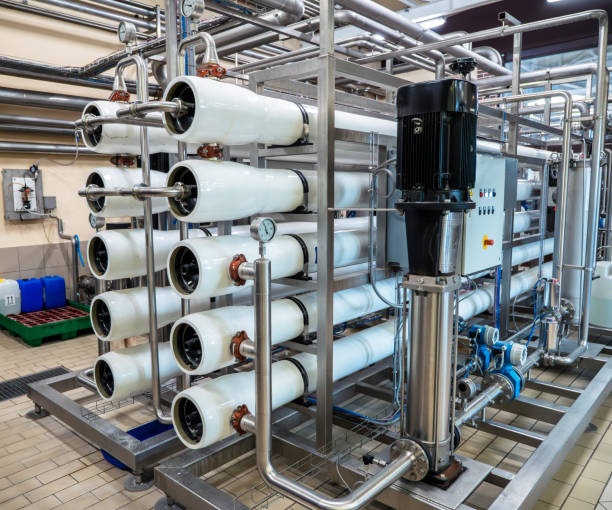
Check the Conductivity Meter First
A conductivity meter fault is a lot easier to deal with than an RO membrane fault. A dirty meter probe can make a healthy membrane appear to have a performance problem. So, begin here:
- Calibration: Cross-check the online conductivity meter using a recently calibrated hand-held meter. Recalibrate the online meter if necessary.
- Probe condition: Inspect for scale or fouling. Any air bubbles trapped within the cell will create an incorrect conductivity measurement.
- Temperature compensation: Make sure the setting is accurate. Temperature variations can shift your measurement readings.
Compare Feed Water and Permeate Readings
Next, read both sides. Calculate Salt Rejection (%) = [1 − (Permeate Conductivity / Feed Conductivity)] × 100. It is possible for feed and permeate conductivity to both increase for reasons unrelated to membrane failure, such as changes in source water. You should calculate the salt rejection rate using the feed and permeate conductivities and use that to assess whether membrane performance has changed. Keep in mind that a change in feed conductivity does not necessarily rule out membrane issues.
As the feed water temperature decreases, the salt rejection generally increases for similar operating conditions. The variation of temperature also affects permeate flow, so it should be considered when operating data is compared.
Common Causes of Rising RO Permeate Conductivity
Most common issues are described below. People are often surprised by the second cause, as dissolved CO₂ is not rejected by the membrane and passes through into the permeate where it adds to the reading. Causes are linked to typical issues that occur as well as what you should investigate.
| Possible Cause | What You May Notice | What to Check First |
| Changes in feed water quality | Feed and permeate conductivity both increase | Feed water conductivity and source water changes |
| Dissolved CO₂ in feed water | Permeate conductivity remains higher than expected, sometimes with relatively stable membrane performance | Feed water pH, alkalinity and dissolved CO₂ levels |
| Excessive recovery rate | Permeate quality deteriorates as recovery increases | Recovery settings and concentrate flow |
| Membrane fouling or scaling | Gradual decline in salt rejection, sometimes with lower permeate flow | Differential pressure, normalized flow and pretreatment |
| Damaged O-rings or seals | Sudden increase in permeate conductivity, sometimes without a major flow change | Membrane housing connections and seals |
| Membrane damage | Persistently high salt passage despite stable operating conditions | Chlorine exposure, backpressure and membrane integrity |
Two more questions help narrow things down.
Did Conductivity Rise Suddenly or Gradually?
An abrupt rise signifies that the operating conditions of the system have been changed or that there is damage to either the membranes or seals of the system. Conversely, a gradual rise points to fouling of the membrane and to variations in the system feed water.
Is the Problem in One Vessel or Across the System?
Focus your search on the membrane elements and interconnections of the one vessel in the system exhibiting elevated permeate conductivity. Don’t automatically presume the system’s membranes have all failed.
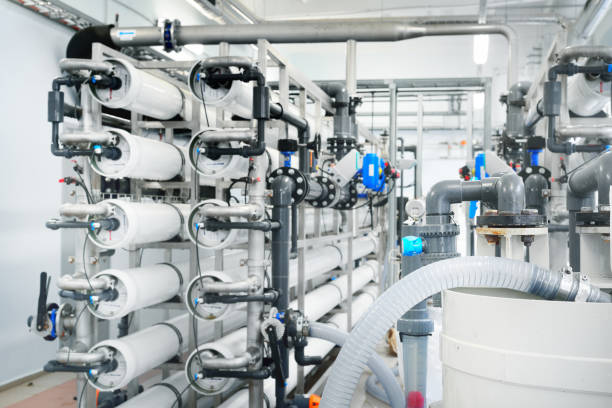
What to Check When Permeate Conductivity Stays High
1. Review Operating Conditions and Check the Recovery Rate
Increased recovery of water typically leads to a greater concentration of substances in the water fed to the membrane system. For example, recovery of water to 90% typically increases the concentration of substances in the concentrate to roughly ten times that of the water feed to the membrane system. This results in higher risk of scale formation and, consequently, lower quality of product. It is recommended to also verify that operating pressures and temperatures are normal.
2. Inspect the Seals and Membrane Elements
When the cause is not obvious, go vessel by vessel:
- Vessel sampling: Sample and test permeate from individual vessels.
- Seals: Examine the seals for signs of damage or incorrect seating.
- Elements: Review operating records for chlorine or other oxidant exposure, and check for possible physical damage caused by permeate backpressure.
3. Clean the Membrane Only When Necessary
If operating data suggest a real problem with fouling or scaling, membrane cleaning may help recover water quality. However, cleaning cannot repair damaged membranes or seal issues. Unnecessary cleaning also adds cost and may expose the membrane to further chemical stress. Don’t clean unless necessary.
Include Permeate Conductivity in Routine Checks
Almost all of the mentioned issues are easier to handle if caught early. Monitor permeate conductivity along with the feed conductivity, pressure, flow and temperature and treat a slow increase of permeate conductivity as a problem before it actually gets bad and an alarm sounds.
At Molewater, we have built and supported industrial reverse osmosis systems for more than 20 years. If your RO permeate conductivity keeps climbing and the basic checks do not explain it, contact our team and we will help you work through it.