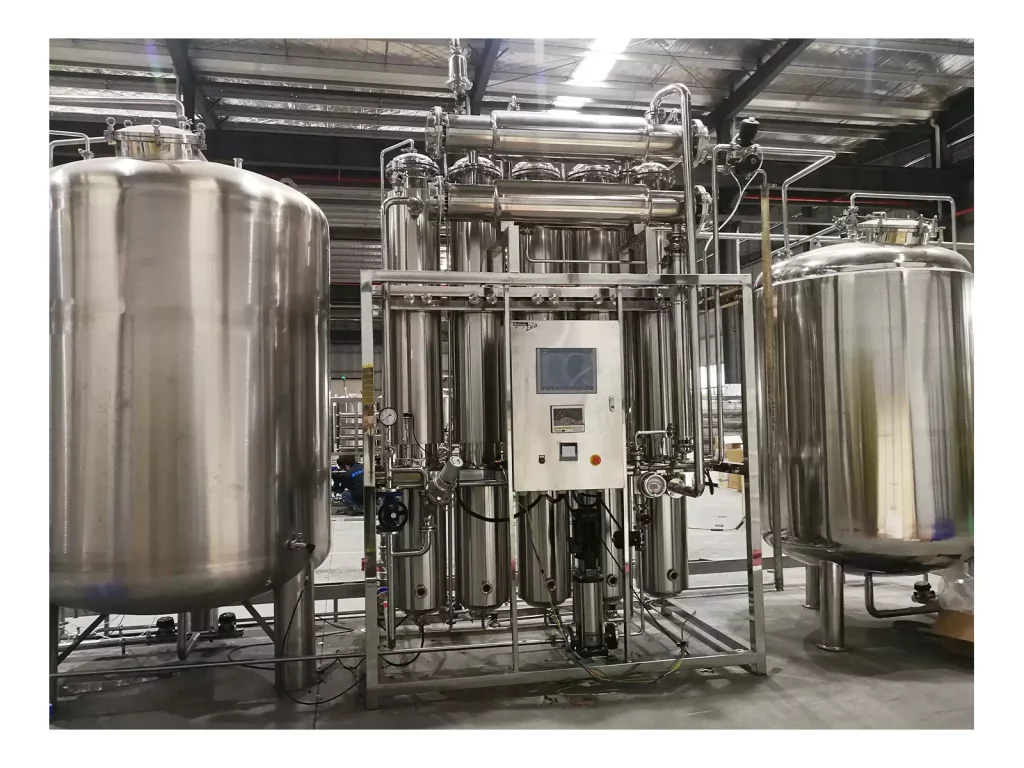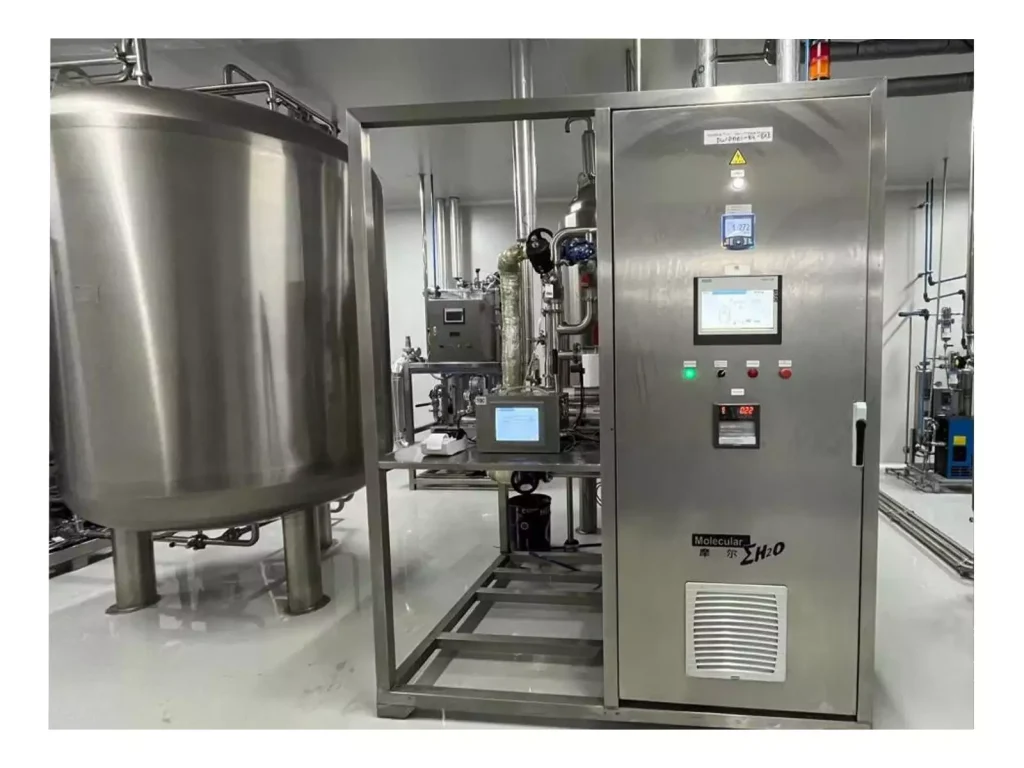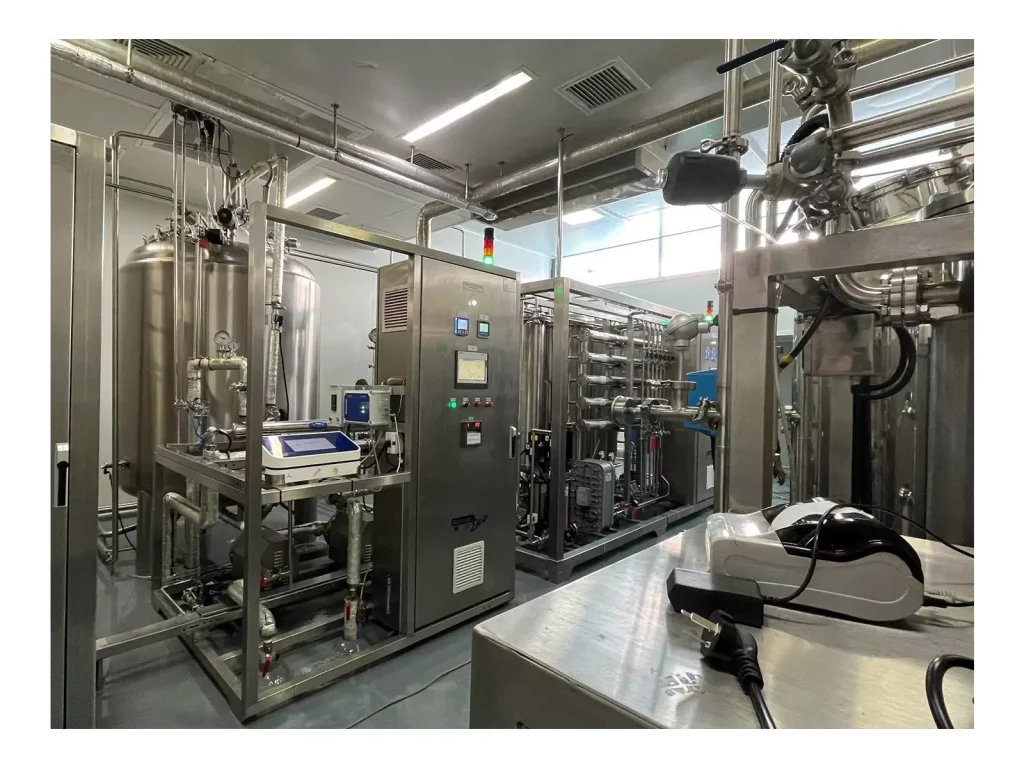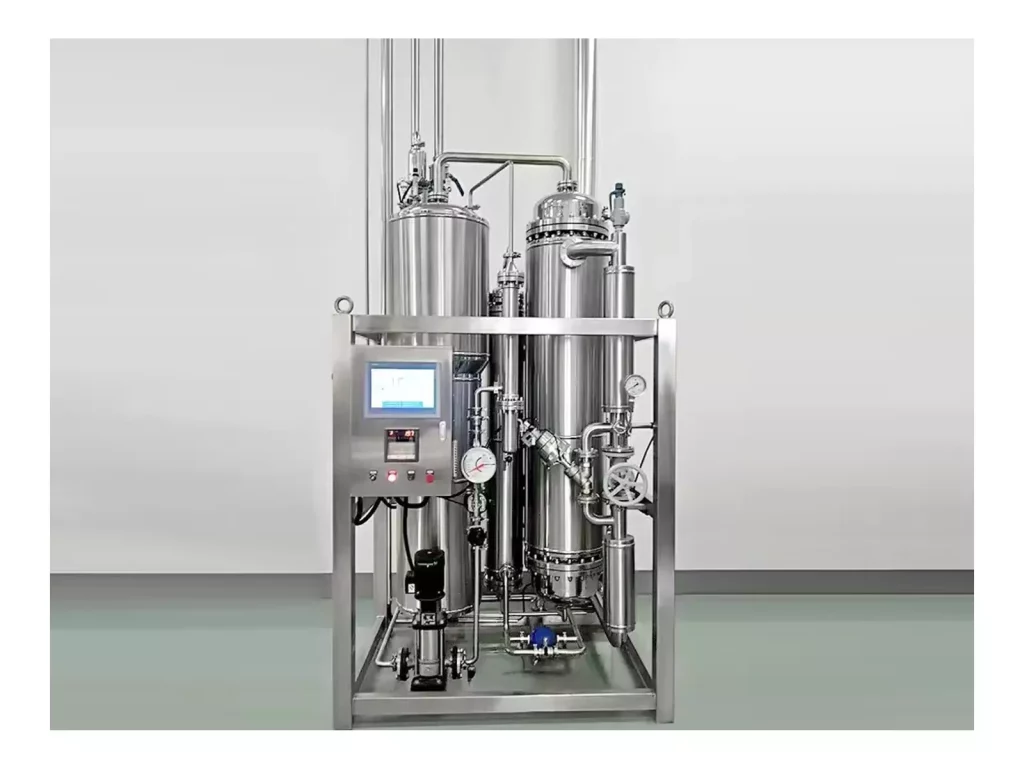
Facilities have depended on distillation as their primary method for WFI generation since the 20th century because the process provides reliable results and its operation remains comprehensible and international regulatory bodies have fully accepted the method. The existing default needs assessment because of its importance value.
The European Pharmacopoeia introduced its 2017 monograph update which permitted purification methods that achieved “equivalent to or better than distillation” standards to include membrane-based and hybrid systems as recognized authentic replacement methods. The current assessment of these systems by multiple facilities extends beyond their use as regulatory compliance methods to their evaluation as potential cost-saving solutions.
Engineers and procurement teams want to know whether hybrid system implementation leads to actual cost savings. The answer to this question needs an explanation because its result depends on multiple factors that exist within pharmaceutical manufacturing processes. This section will examine the specific factors that determine the outcome.
What Do We Mean by a Hybrid WFI System?
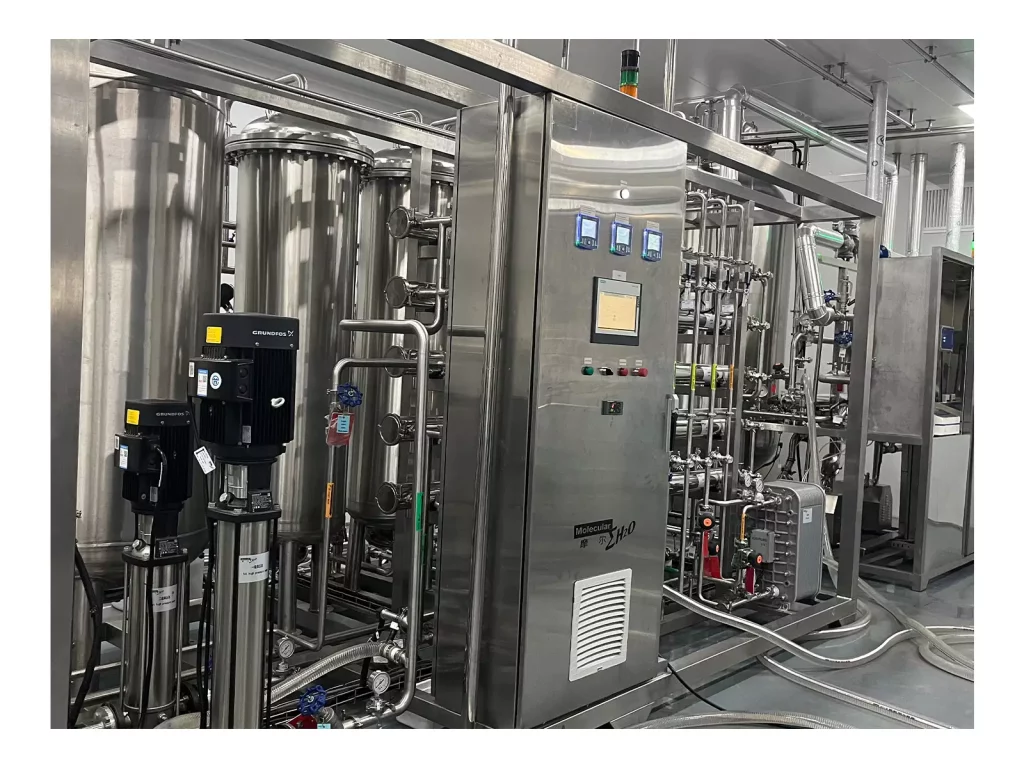
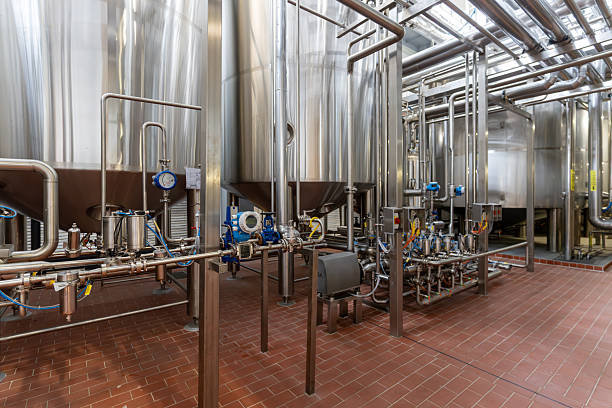
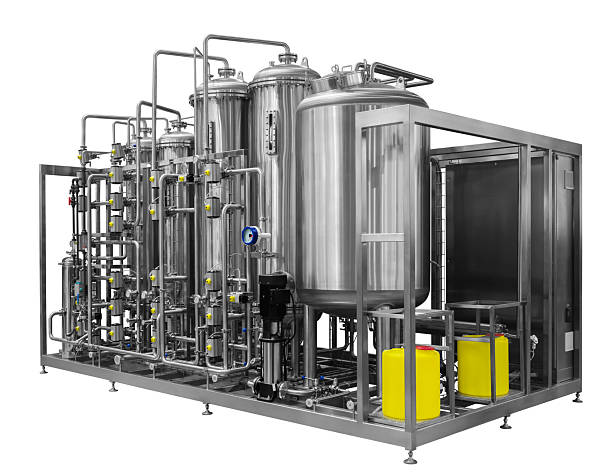
A hybrid WFI system combines membrane-based purification, typically reverse osmosis (RO), continuous electrodeionisation (CEDI), and ultrafiltration (UF) with a controlled storage and distribution setup that replaces the traditional still entirely, or uses a much smaller still as a secondary step.
Unlike a pure membrane system, a hybrid configuration often incorporates an ozone sanitisation loop or UV treatment to handle microbial control, since the system no longer relies on heat as its primary barrier. In contrast, a conventional multiple-effect distillation (MED) or vapor compression (VC) unit produces WFI at 80°C or above, which naturally keeps the distribution loop clean without additional chemistry.
Key distinction
The choice is not just about how WFI is produced — it also determines how your entire storage and distribution system is designed, operated, and validated. That’s where the real cost differences show up.
Capital Cost: Hybrid Systems Start Cheaper
On the surface, hybrid and membrane-based systems tend to come in at a lower initial price tag. Studies comparing full WFI system configurations have found that membrane-based setups can reduce capital expenditure by roughly 15–28% compared to a traditional MED unit.
Cold WFI systems which are typically membrane or hybrid also carry a lower upfront cost than hot distribution systems, sometimes by around 20%, because you’re not building in the thermal management infrastructure that a 80°C loop requires.
That said, capital cost comparisons are rarely apples-to-apples. A full CapEx evaluation needs to account for:
- Pre-treatment skids (RO, softening, carbon filtration) — membrane systems are more sensitive to feed water quality
- Storage tank insulation and temperature control hardware
- Sanitisation equipment (ozone generators, UV units) for cold distribution loops
- Steam generation infrastructure, if conventional distillation is the starting point
A vendor quote for the distillation unit alone doesn’t reflect what you’ll actually spend to get the system running. The same applies to membrane skids — the full scope always costs more than the headline number.
Operating Cost: Where Conventional Distillation Fights Back
Membrane-based WFI systems tend to carry higher operating costs than vapor compression distillation and in some analyses, up to 35% higher on a per-litre basis.
Why? VC distillation, in particular, is highly efficient at scale. It recaptures latent heat from the condensation process, which means it uses significantly less energy per litre of WFI produced compared to MED. Once a VC unit is sized correctly for your production volume, it becomes one of the more cost-effective options to run continuously.
Membrane systems, on the other hand, have ongoing consumable costs: membrane replacement cycles, chemical sanitisation agents, ozone or UV equipment maintenance, and more frequent monitoring requirements to compensate for the lower temperature barrier.
If your facility primarily uses WFI cold for buffer preparation, equipment rinse at ambient temperatures, or similar applications, then a cold distribution loop avoids the energy cost of heating WFI that you’d immediately cool down again. In those cases, hybrid systems can realistically deliver 20–30% energy savings on distribution. But if most of your WFI is used hot, the efficiency argument for membrane systems weakens considerably.
Total Cost of Ownership: The Number That Actually Matters
When CapEx and OpEx are combined over a typical system lifecycle of 15–20 years, the picture becomes clearer but also more facility-specific.
Vapor compression distillation tends to offer the lowest or comparable total cost of ownership when production volumes are high and the facility already has a functioning steam supply. Multiple-effect distillation, despite being the most established technology, often carries the highest TCO due to its energy-intensive operation.
Hybrid systems land somewhere in the middle, it means lower upfront, but with enough operating overhead that the savings can erode over time if the system isn’t well-matched to actual usage patterns.
| MED | VC Distillation | Pure Membrane | Hybrid System | |
| Capital Cost (CapEx) | Highest | Medium-High | Medium | Lowest–Medium |
| Operating Cost (OpEx) | Low–Medium | Lowest | Medium–High | Medium |
| Energy Consumption | High | Lowest | Medium | Low–Medium |
| Facility Footprint | Large | Large | Small–Medium | Medium |
| Infrastructure Needed | Steam supply | Steam supply | Minimal | Minimal–Moderate |
| Total Cost of Ownership | High | Lowest–Medium | Medium–High | Medium |
Note: Relative costs assume comparable production volumes. Actual figures will vary by facility size, feed water quality, and energy tariffs.
Costs That Don’t Show Up on the Quotation
Beyond CapEx and OpEx, a few other factors tend to influence the real cost of ownership in ways that aren’t always captured upfront.
Facility footprint. Distillation units including their pre-treatment systems, typically require significantly more floor space than membrane skids. For facilities where space is at a premium, this has real value.
Steam infrastructure dependency. Distillation requires a reliable steam supply, which is typically natural gas-derived. That creates exposure to energy price volatility and adds complexity if your facility doesn’t already have steam systems in place.
ESG and sustainability reporting. Some facilities have reported water usage reductions of up to 35% and operating cost savings around 20% by switching to more energy-efficient WFI configurations. For organisations under pressure to reduce their environmental footprint, this can carry weight beyond pure economics.
Regulatory market reach. Although both the European Pharmacopoeia and the United States Pharmacopeia now recognize membrane-based purified water, in some countries or regions, distillation method is still regarded as the default method or the only approved method. In Europe, the fully compliant mixed system may still require additional explanations when declared in specific export markets.
MED’s dual-purpose advantage. Multiple-effect distillation units can supply pure steam as a by-product, eliminating the need for a separate pure steam generator. For facilities that need both WFI and pure steam for sterilisation, this can offset MED’s higher energy costs.
So, Which System Should You Choose?
There’s no universal answer but there are clear patterns based on facility type, production profile, and strategic priorities.
| Hybrid / Membrane System Makes Sense When… | Conventional Distillation Makes Sense When… |
| Building a greenfield facility with no existing steam infrastructure Mid-scale production (not high-volume LVP) WFI is used at ambient or cold temperature ESG and energy reduction are key business priorities Products are not exported to markets requiring distillation (e.g., China) | High-volume LVP manufacturing where VC distillation excels at scale Existing steam systems are already in place and well-maintained Pure steam is also needed — MED can supply both from a single unit Products are exported to China (CNPSS still mandates distillation) Hot WFI distribution is the primary use case |
Hybrid WFI systems offer a genuinely compelling option for certain facility profiles particularly greenfield builds, facilities with cold WFI use cases, and organisations with strong sustainability mandates. The lower capital cost is real.
But the total cost of ownership picture is more nuanced. Vapor compression distillation, sized correctly and operated well, remains hard to beat on a long-run cost basis for high-volume production. MED is often the most expensive over its lifetime, despite being the most familiar.
Before finalising system selection, commission a site-specific TCO analysis using your actual production volumes, WFI use temperature profile, and local energy tariffs. Vendors can provide modelled comparisons, but getting an independent review is worth the time investment for a system you’ll be running for the next 15–20 years.
Molewater specialises in WFI storage and distribution systems designed for modern pharmaceutical manufacturing environments. Whether you are evaluating a hybrid configuration, planning a new facility, or reviewing an existing system, our team works with you to match system design to your real operational requirements — not just a datasheet.