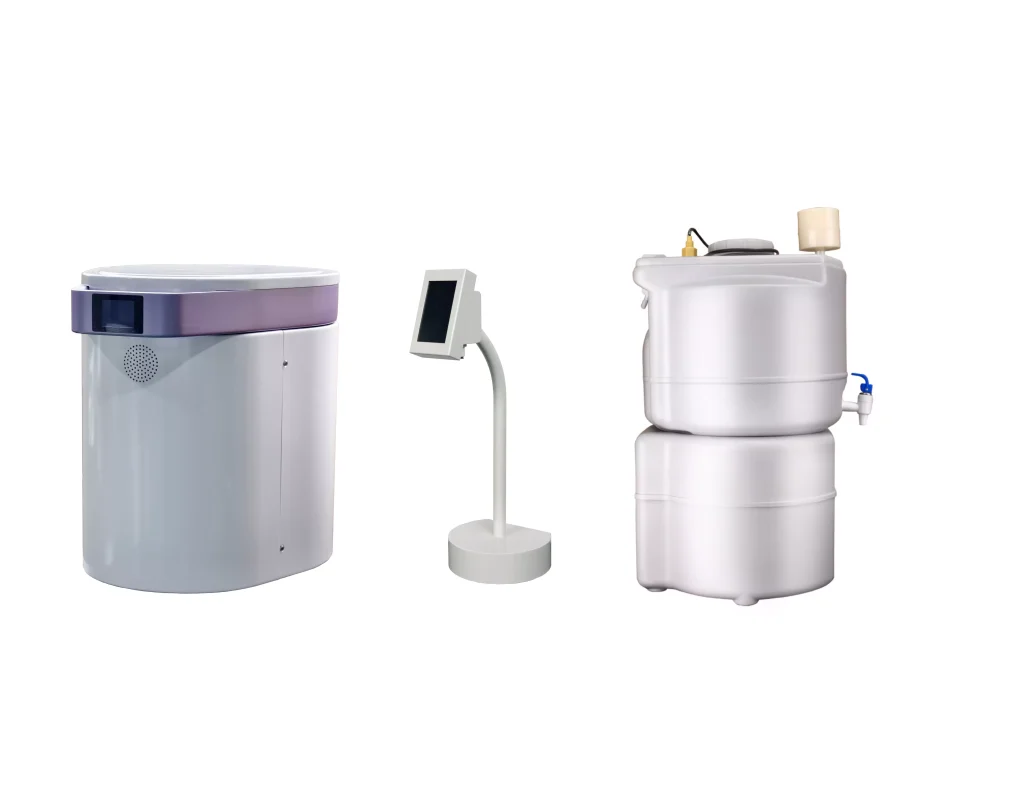
In the pharmaceutical industry, water is not simply a liquid. It is the most frequently utilized “raw material” in the whole lifecycle of manufacturing. From its role as a solvent primary in formulations for liquid dosage to being the last rinse in a sterilized vial the quality of water directly determines the security of the final product.
To Quality Control (QC) managers, water isn’t just a utility, but it’s a significant risk element. A single defect in the purity of water for example, a sudden increase in microbial count or trace of endotoxins, could cause devastating batch failures, or even recalls from regulatory agencies. It is important to understand why water that is pure and clean is the basis of pharma quality control, and how to keep it in good condition.
Understanding Quality Control in Pharma Industry
Pharmaceutical manufacturing quality control tests medicines to met their compliance with established standards of identity and purity and strength and safety. The established standards of these tests are determined by international regulatory bodies and pharmacopoeias.
Pharmaceutical manufacturers must adhere to rigorous Good Manufacturing Practice regulations which the U.S. Food and Drug Administration and the European Medicines Agency establish as their primary requirement.
Pharma Quality control usually comprises several stages:
- Raw material testing – confirming the authenticity and purity of ingredients
- Monitoring of the process – ensuring that manufacturing steps are in line with established parameters
- Final product testing – verifying that the drug’s final quality meets specifications
- Monitoring of the environment – reducing the risks of contamination in manufacturing facilities
The quality of water plays a crucial part in all these phases. When the water utilized in the pharmaceutical process does not conform to strict purity standards, it may affect its quality in the end product.
Water Quality Matters in Pharmaceutical Manufacturing
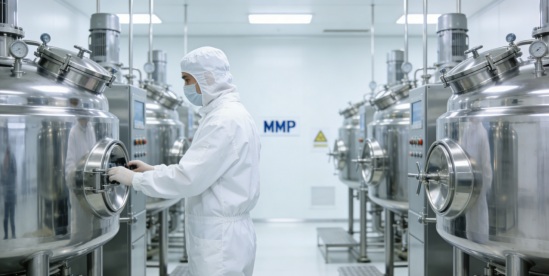
Water is used in almost every aspect of production of pharmaceuticals. In a lot of manufacturing facilities thousands of liters water are used for various processes.
The most common pharmaceutical applications are:
- Dilution and formulation of drugs
- Cleaning of equipment for manufacturing
- Lab testing and analysis
- The preparation of injectable substances
- Rinsing of packaging materials and containers
Because water has a direct interaction with pharmaceutical ingredients along with manufacturing machines, any contamination may impact the entire manufacturing process.
Risks of Poor Water Quality
When water quality control fails to function properly then multiple problems emerge with water sources.
Microbial contamination
Bacteria or microorganisms present in water can contaminate pharmaceutical products.
Chemical impurities
The presence of dissolved minerals or organic compounds will create changes which impact drug stability and effectiveness.
Product recalls or batch rejection
The presence of impure water leads to unsuccessful quality assessments which result in expensive product recalls.
Regulatory compliance issues
The organization will violate GMP regulations because it failed to maintain proper water quality standards.
The risks associated with water quality control show that it serves as the most important control point for pharmaceutical production.
Types of Pharmaceutical Water Used in Quality Control
Pharmaceutical production requires various types of purified water based on the use. The water types are specified in the pharmacopeial standards.
Purified Water (PW)
Purified Water is typically employed in:
- the preparation of non-sterile pharmaceuticals
- Lab testing
- Cleaning equipment for manufacturing
It is created through processes like reverse osmosis (RO), ion exchange or distillation.
Water for Injection (WFI)
The Water For Injection grade is most quality grade of purity used in pharmaceutical manufacturing.
It is used mostly to:
- injection of medicines
- making of the formulation of sterile substances
- the final rinse of equipment used for manufacturing sterile
WFI must comply with extremely stringent standards for microbial contamination as well as endotoxins.
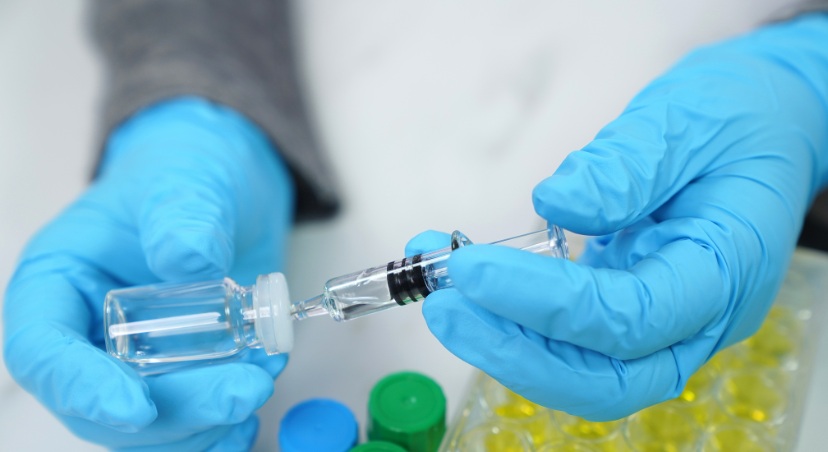
Highly Purified Water (HPW)
Highly Purified Water (HPW) serves specialized pharmaceutical and biotechnology applications which demand higher purity standards. The product exists as a combination of purified water and water for injection yet its production process requires advanced membrane filtration technologies.
International Standards for Pharmaceutical Water Quality
The international pharmacopeias establish precise regulations which pharmaceutical water must meet because water quality requirements play a vital role in their operations.
The field of regulatory authority documentation recognizes these three sources as the most important reference materials:
- World Health Organization guidelines for pharmaceutical manufacturing
- United States Pharmacopeia water quality standards
- European Pharmacopoeia regulations for pharmaceutical water systems
The standards determine permissible values which apply to multiple essential measurement metrics within their framework.
| Quality Parameter | Target Limit (Typical USP/EP) | Significance in Quality Control |
| Conductivity | < 1.3 μS/cm (at 25°C) | Measures inorganic ionic impurities. |
| Total Organic Carbon (TOC) | < 500 ppb (μg/L) | Indicates organic contamination & biofilm risk. |
| Microbial Count | < 100 CFU/ml (PW) / < 10 CFU/100ml (WFI) | Ensures biological safety and sterility. |
| Bacterial Endotoxins | < 0.25 EU/ml (WFI only) | Prevents fever-inducing reactions in patients. |
Pharmaceutical processes need continuous parameter assessment to maintain water quality which meets established control standards.
High-Purity Water Systems Support Pharma Quality Control
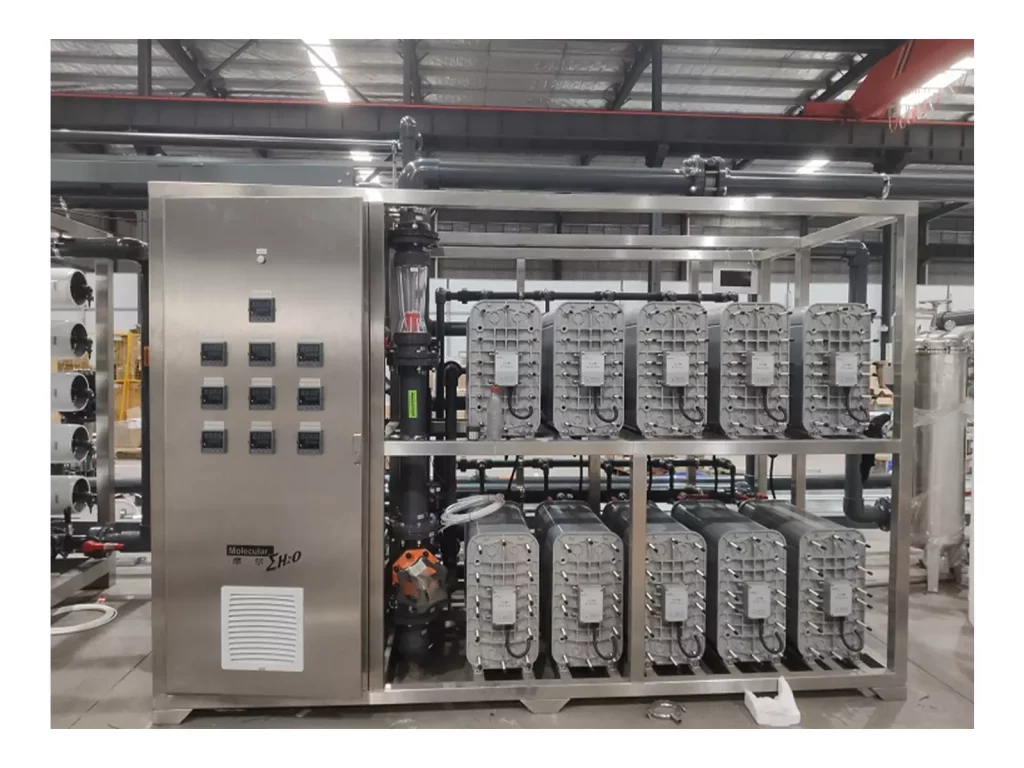
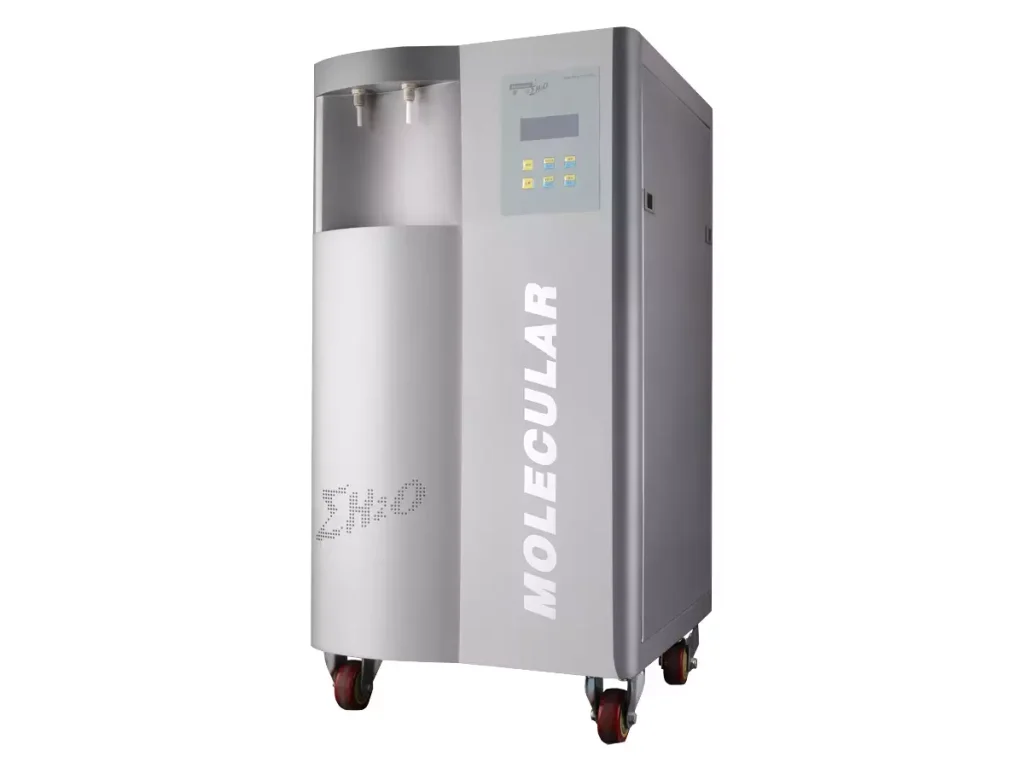
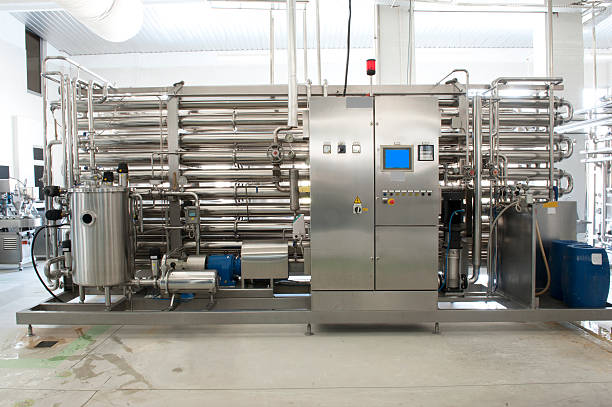
The pharmaceutical industry requires specialized purification systems to achieve its necessary water quality standards. The system operates through multiple purification processes that maintain constant water quality across all production stages.
Advanced Water Purification Technologies
Contemporary pharmaceutical water systems use multiple purification technologies which include the following purification methods:
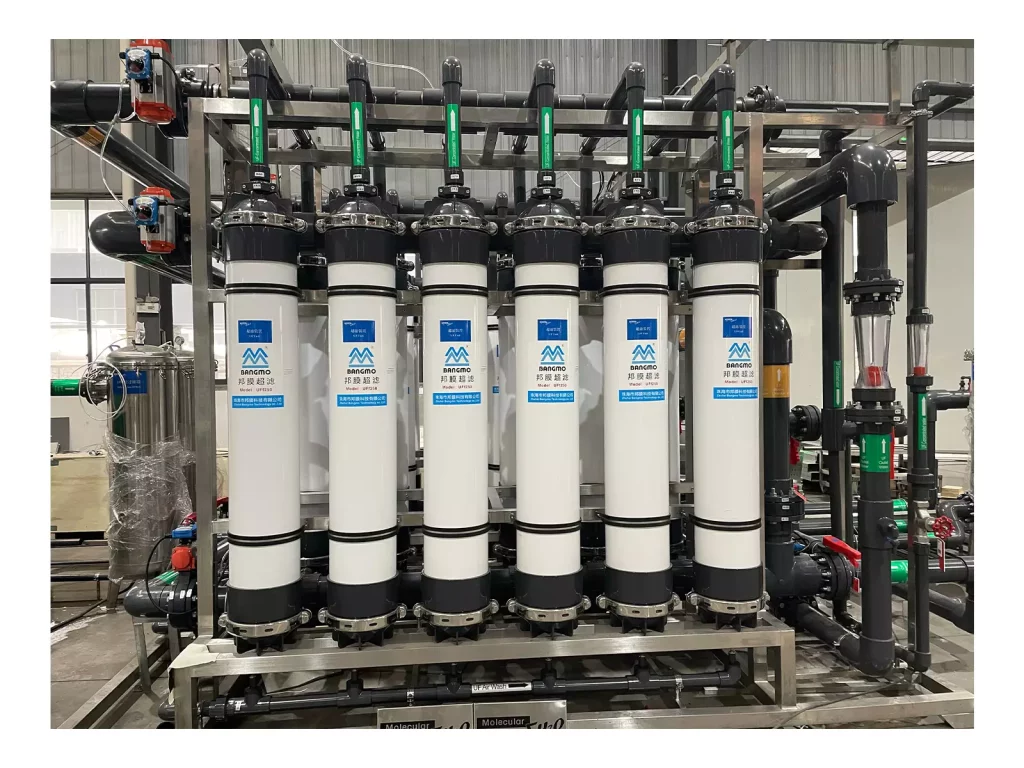
The process of Reverse Osmosis (RO) makes use of semi-permeable membranes for removing organic molecules, dissolved salts and microorganisms that are present in water. Electrodeionization (EDI) makes use of the removal of ions from contaminant to provide the most advanced water purification. Ultraviolet (UV) sterilization system uses UV light to reduce the amount of microbial contamination. Ultrafiltration technology removes endotoxins and tiny particles from purified water.
Combining these two technologies produces pure water that is needed to manufacture pharmaceuticals and process of quality evaluation.
The validation process for Continuous Monitoring
Pharmaceutical water systems require thorough monitoring procedures which ensure their operational performance remains steady.
Typical monitoring methods include:
- online conductivity measurement
- total organic carbon monitoring
- microbial testing
- system validation and documentation
These monitoring processes help maintain compliance with GMP quality control standards.
Selecting the Right Water System for Your Facility
Every pharmaceutical application has a unique “water footprint.” Choosing a system is not just about the price; it’s about Compliance-to-Cost ratio.
- Material Integrity: Ensure all contact parts are 316L Stainless Steel with an orbital weld and a surface roughness (Ra) of <0.6μm to prevent bacterial adhesion.
- Dead Leg Management: In piping, “dead legs” (areas where water can stagnate) must be minimized. The “3D” or “2D” rule (the length of a pipe branch should not exceed 2x or 3x its diameter) is a gold standard in QC engineering.
At Molewater, we specialize in designing custom pharmaceutical water treatment solutions that meet the most stringent USP and GMP requirements, ensuring your facility passes every audit with flying colors.