In the modern healthcare environment, water is more than a utility; it is a crucial aspect of the safety of patients. From sterilization and dialysis to lab analysis, the water quality directly impacts the outcome of patients, equipment performance as well as regulatory compliance. However, getting medical-grade water isn’t so simple as filtration. It requires a careful combination of technology, processes and constant monitoring.
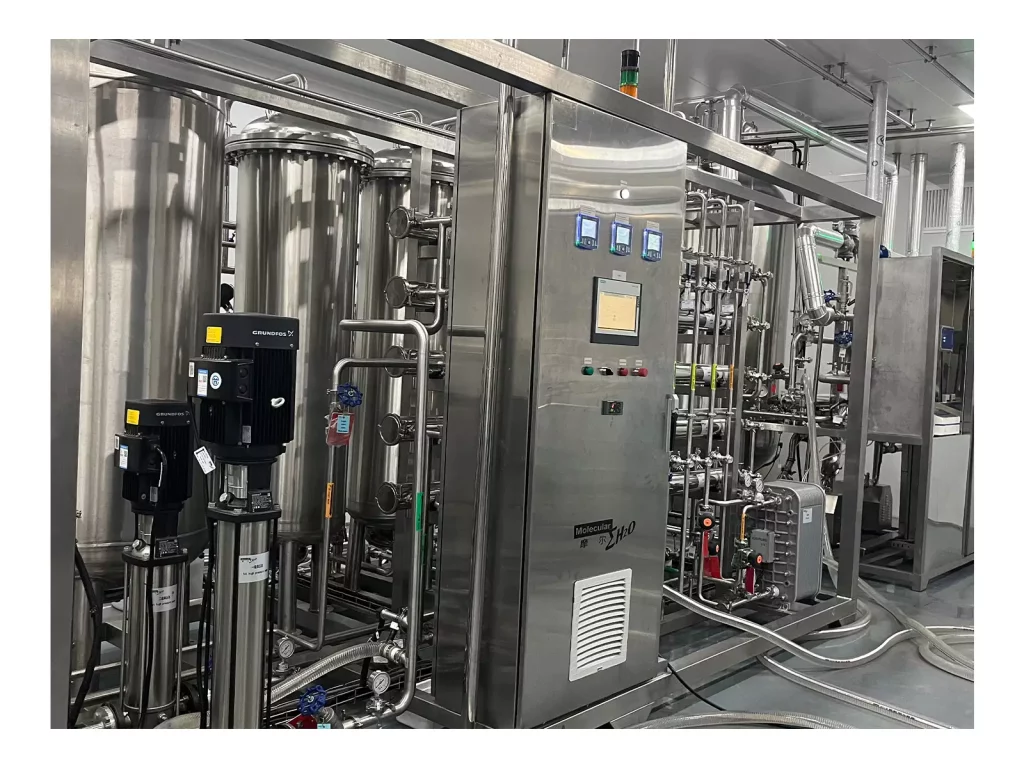
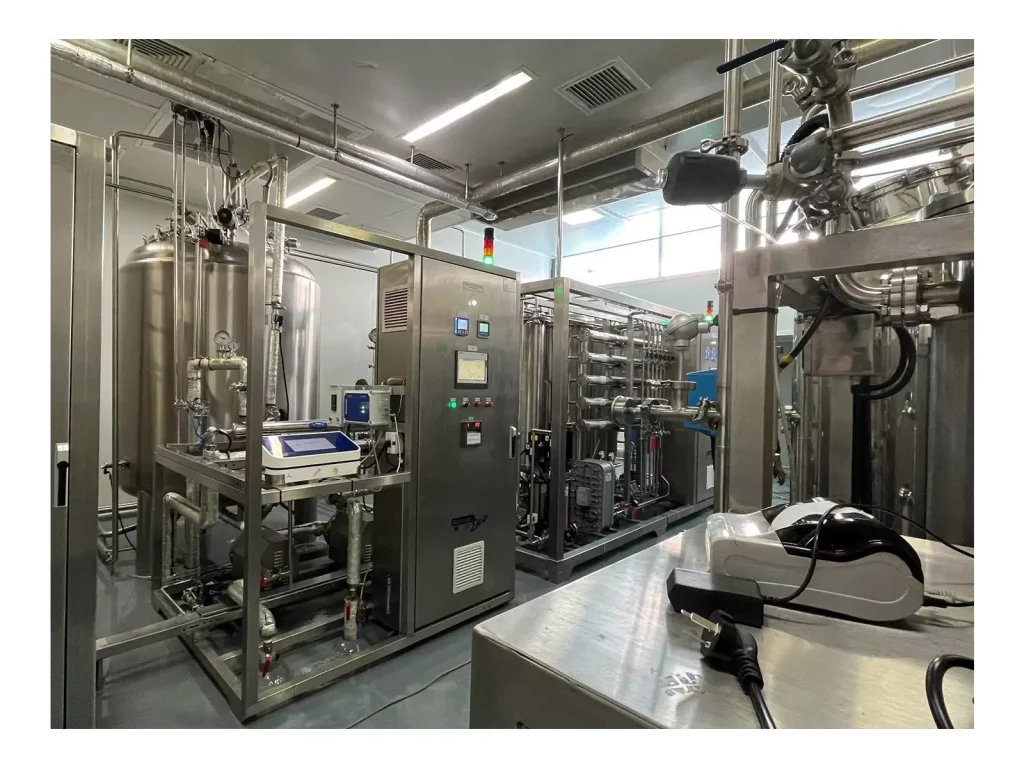
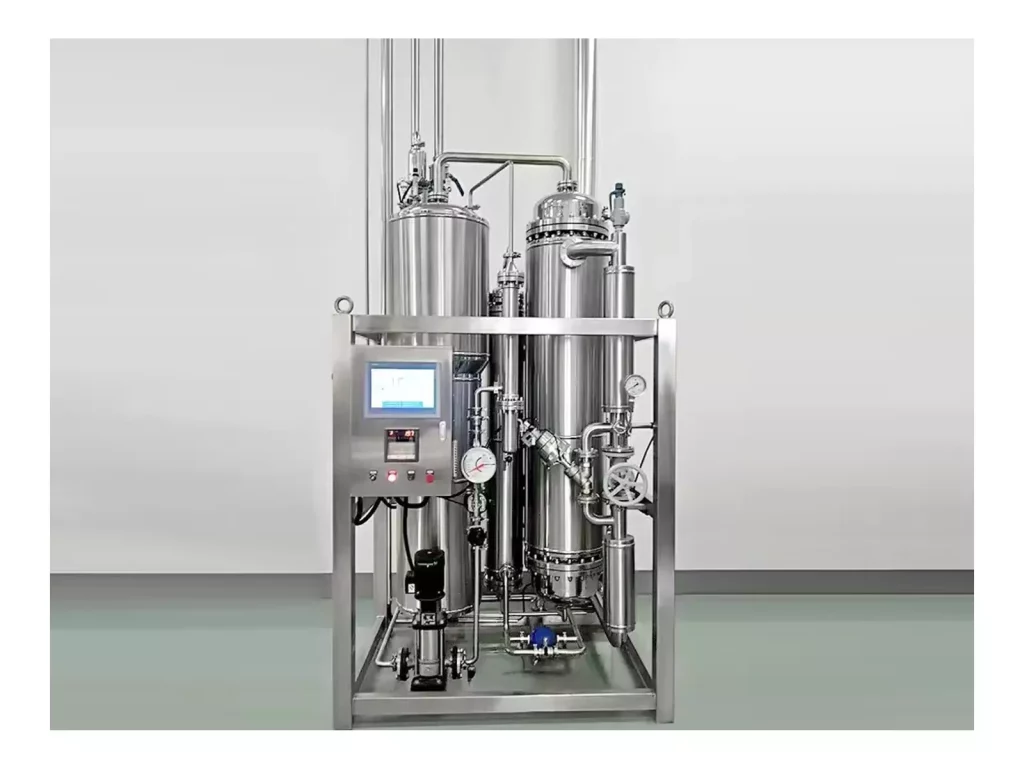
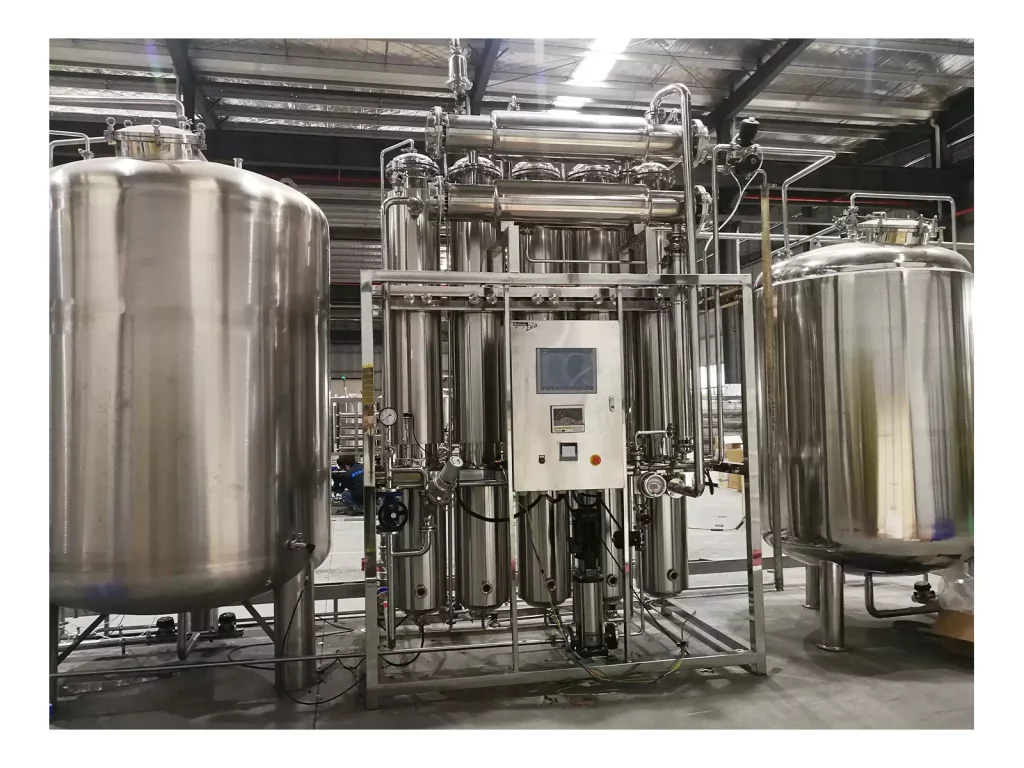
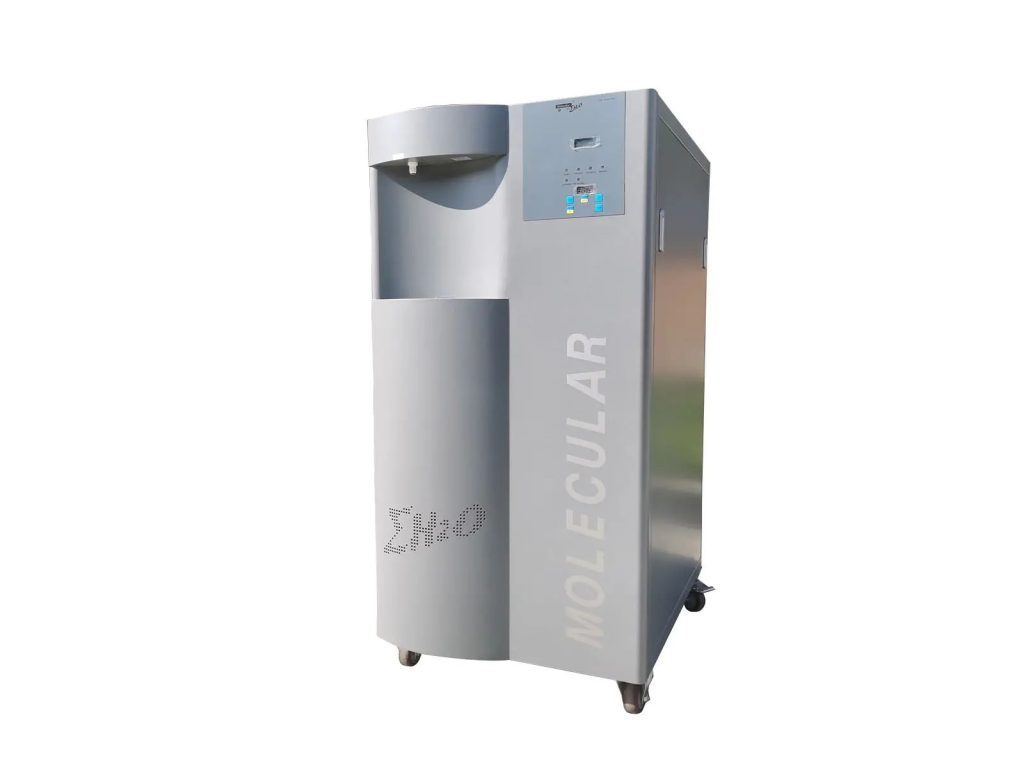
Molewater’s reliable solutions for creating and maintaining medical grade water to ensure medical safety, water stability and stable operation for worldwide medical facilities.
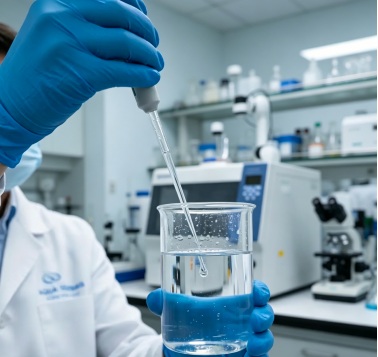
Key Standards for Medical Grade Water
To ensure medical grade water, knowing the regulatory benchmarks is vital. Different applications in healthcare require different purity levels and are determined by internationally accepted standards.
The major standards are:
- World Health Organization (WHO): Provides guidance on safe water for healthcare settings
- United States Pharmacopeia (USP): Defines Purified Water (PW) and Water for Injection (WFI)
- ISO standards: Cover water quality requirements for medical devices and for clinical use
Key quality indicators:
- Conductivity: Signifies Ionic contamination
- Total Organic Carbon (TOC): measures organic impurities
- Microbial count: ensures the that there are no harmful bacteria
- Dotoxins are essential for applications such as dialysis or injection
For instance, USP standards require extremely low conductivity as well as strict microbial standards for pharmaceutical grade water. In the same way, dialysis water has to adhere to strict microbiological requirements in order to avoid complications for patients.
Core Technologies to Achieve Medical Grade Water
Making medical-grade water requires an all-brain strategy. There is no single method that works for its own sake. Each has a particular role to play in removing toxins.
Reverse Osmosis (RO) Systems
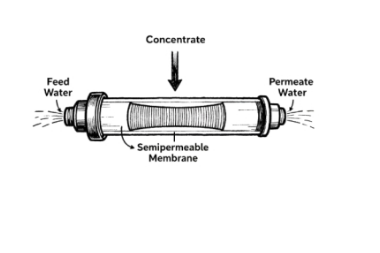
Reverse osmosis forms the basis of the majority of health water system. It makes use of semi-permeable membranes that eliminate:
- Dissolved salts
- Organic compounds
- Endotoxins and Bacterium
RO systems can remove the possibility of removing 95-99% of the dissolved solids that are dissolving and are therefore the initial major purification stage.
Electrodeionization (EDI)
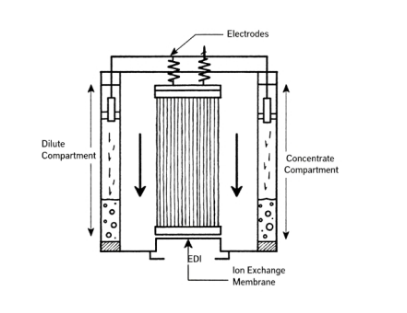
The EDI process is utilized in conjunction with RO to attain higher levels of purity, without the need for chemical regeneration.
Benefits:
- Produces ultra-pure water on a continuous basis
- Reduces operating costs over time
- Reduces the use of chemicals
This creates EDI especially suitable for hospitals that need continuous, high-quality water production.
Ultrafiltration (UF)
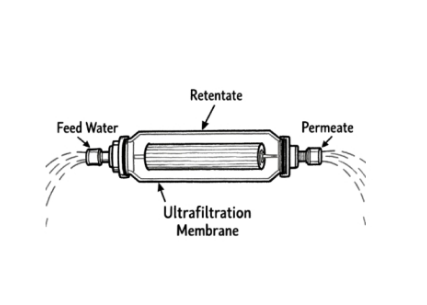
Ultrafiltration targets microscopic contaminants that may pass through earlier stages.
The process removes:
- Bacteria
- Pyrogens (endotoxins)
- Colloidal particles
UF serves as a final polishing step which requires special applications.
UV Sterilization
Ultraviolet (UV) systems deactivate microorganisms by disrupting their DNA.
The system provides three advantages which include:
- Chemical-free disinfection
- Effective against bacteria and viruses
- Prevents microbial growth within the system
Ozone Disinfection
Ozone functions as a strong oxidizing agent which disinfects storage tanks and distribution pipelines.
The system offers three main advantages which include:
- Eliminates biofilm formation
- Provides residual disinfection
- Enhances overall system hygiene
Step-by-Step Process to Produce Medical Grade Water
A well-planned and sequenced production process guarantees consistent water quality and long-term operation of the water treatment system used in medical facilities. Each purification process is governed by strict guidelines to ensure that it meets medical requirements. This is reflected in the specific procedure outlined below.
1. Pre-Treatment of Feed Water
The initial stage is the first step to complete the initial purification of raw water. It gets rid of large suspended particles like sediment and sand, then conducts water softening in order to decrease the hardness of water, and then uses activated carbon filtering to eliminate organic pollutants and chlorine. This protects future precision equipment from corrosion and scaling, and increases the efficiency of the entire treatment system.
2. Primary Purification (Reverse Osmosis)
As the primary component of the system in general reverse osmosis technology removes the majority of dissolved impurities present in water that has been treated. In addition, it dramatically reduces the amount of microbial matter in water, and provides a suitable intermediate water to be used in advanced purification processes afterwards.
3. Advanced Purification (EDI or Deionization)
The process eliminates remaining ionic impurities from water through its advanced purification methods. Deep purification treatment brings water to the clinical medical standard which requires high levels of purity.
4. Disinfection (UV and/or Ozone)
The implementation of ultraviolet and ozone disinfection technologies provides complete protection against microbial contamination. The system effectively controls bacterial development while it stops new contamination from occurring during the process of storing water and distributing it through pipelines.
5. Storage and Distribution
The water delivery system uses sanitary sealed tanks together with closed loop pipeline systems. The system maintains continuous water flow to prevent stagnation, which helps preserve high water quality that remains after the water production process.
Core Advantages for Semiconductor How to Ensure Long-Term Clinical Safety
Making medical grade water is just one part of the process. Keeping the same quality throughout time is also crucial.
1. Routine Monitoring and Testing
- Regular checks for conductivity, TOC and Microbial levels
- Utilization of online sensors to provide real-time monitoring
2. Scheduled System Sanitization
- Periodic ozone, thermal disinfection
- Prevents the buildup of biofilm in pipelines
3. Preventive Maintenance
- The timely replacement of filters as well as membranes
- Inspecting the system components
4. Documentation and Compliance
- Maintain detailed records for audits
- Ensure that the company adheres to regulations.
According to research on healthcare water management study, hospitals that use regular monitors and regular maintenance could dramatically reduce the risk of contamination and also reduce system downtime.
Building a Reliable Medical Water System
To achieve medical-grade water that is safe for use in clinical settings is more complicated than simply installing a purification device. It’s a complex procedure that incorporates the latest technologies with structured workflows and continuous system administration.
Through the integration of multi-stage purification techniques like RO, UV, EDI, and following rigorous procedures for monitoring and maintenance hospitals can be assured of the availability of water that is high-quality. This does not just protect patients, but also helps to ensure the security of medical equipment and procedures.
In a business where safety and precision are essential making the investment in the best water purification system isn’t an option, it is mandatory.