If you’re designing or upgrading an RO system, you’ve probably come across this question: should you use an antiscalant, a water softener, or both?
It’s not a simple either/or answer — and the wrong choice can cost you in membrane replacements, downtime, and unexpected operating expenses. This guide breaks down how each option works, where each one performs best, and how to make the right call for your specific feedwater conditions.
Why Pretreatment Choice Matters in RO Systems
Reverse osmosis membranes are precise. They’re designed to reject dissolved solids, but that same rejection process concentrates everything left behind — including calcium, magnesium, sulfate, silica, and barium. As water moves through the system and concentration factors rise, these minerals can exceed their solubility limits and precipitate onto the membrane surface.
That’s scaling, and it’s one of the leading causes of membrane fouling worldwide.
Once scaling starts, permeate flow drops, energy consumption rises, and you’re looking at either a chemical cleaning cycle or early membrane replacement. Neither is cheap.
The right pretreatment strategy — applied before water even enters the RO — is what keeps that from happening. Two solutions dominate the market: antiscalant dosing and ion exchange water softening. Both work, but they work differently, and they’re suited to different situations.
What Is an Antiscalant in RO Pretreatment?
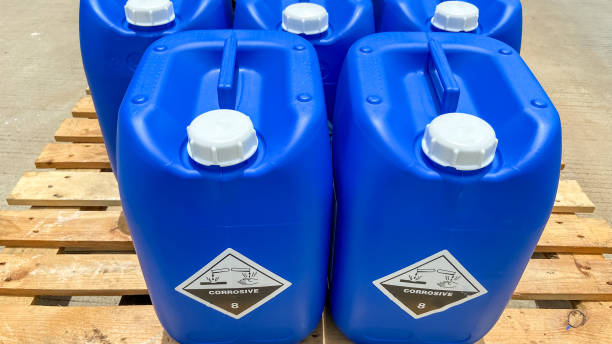
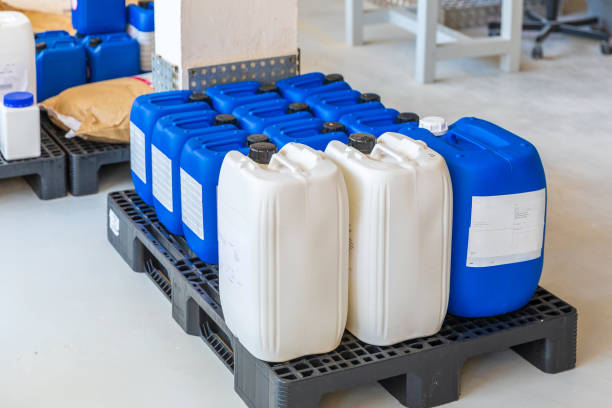
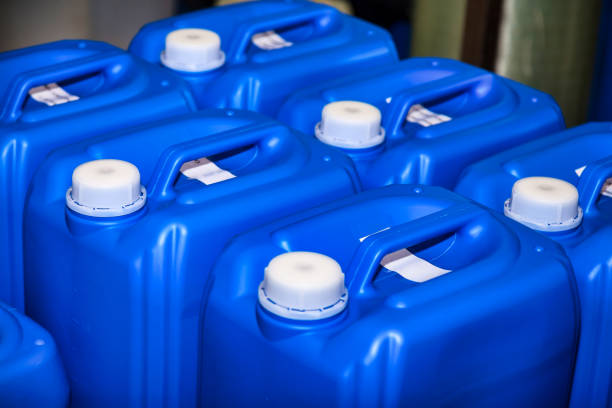
An antiscalant is a specialty chemical dosed into the feedwater ahead of the RO membrane. Rather than removing scale-forming ions, it interferes with the crystallization process itself.
At a molecular level, antiscalants work through three main mechanisms:
- Threshold inhibition — keeping ions in solution even when concentrations exceed normal saturation limits
- Crystal modification — distorting crystal structure so that scale deposits can’t form a stable lattice
- Dispersion — keeping micro-particles suspended so they pass through the system rather than sticking to membrane surfaces
This makes antiscalants particularly effective against a wide range of potential foulants: calcium carbonate, calcium sulfate, barium sulfate, and silica — the last two being especially difficult to address through softening alone.
Dosing is typically done with a metering pump at a low concentration (2–5 mg/L is common), and modern antiscalant programs can be paired with online monitoring to adjust dosing based on real-time water quality data.
According to a review published in Water Research, antiscalants remain one of the most cost-effective tools for managing membrane scaling in high-recovery RO systems, particularly where feedwater chemistry is complex.
What Does a Water Softener Do Before RO?
A water softener takes a different approach entirely. Instead of suppressing crystallization, it removes the scale-forming ions before they ever reach the membrane.
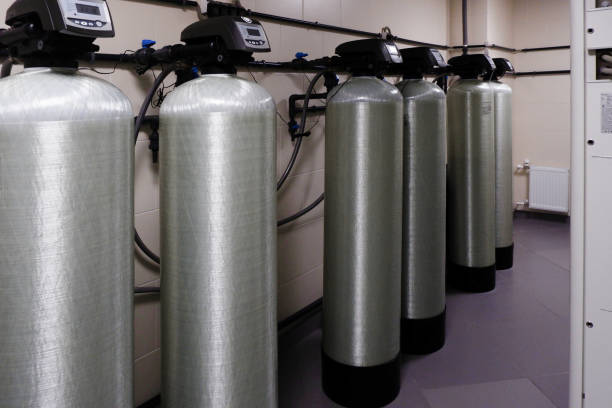
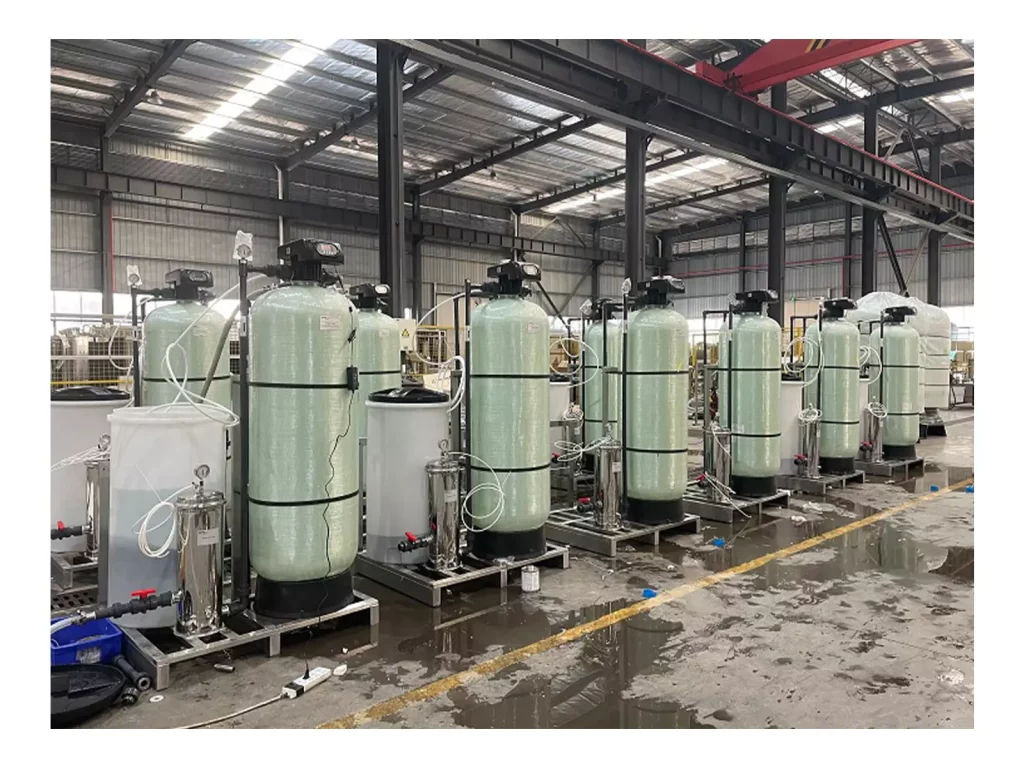
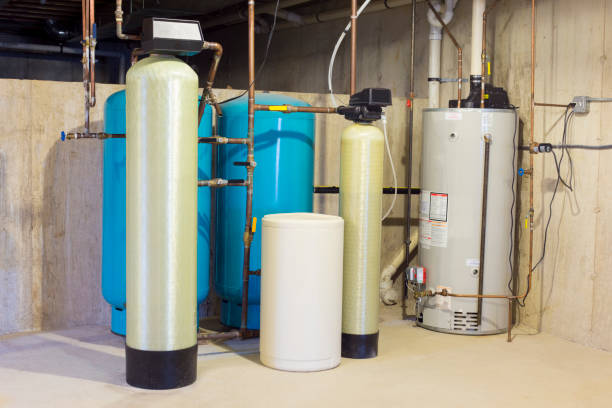
Inside the softener vessel, a bed of ion exchange resin replaces calcium (Ca²⁺) and magnesium (Mg²⁺) ions with sodium (Na⁺) ions. Sodium doesn’t form scale, so the treated water passes through the RO system without the hardness-related fouling risk.
When the resin becomes saturated with calcium and magnesium, it goes through a regeneration cycle — flushed with a brine solution that strips the hardness ions off the resin and recharges it with sodium. After regeneration, it’s ready to start again.
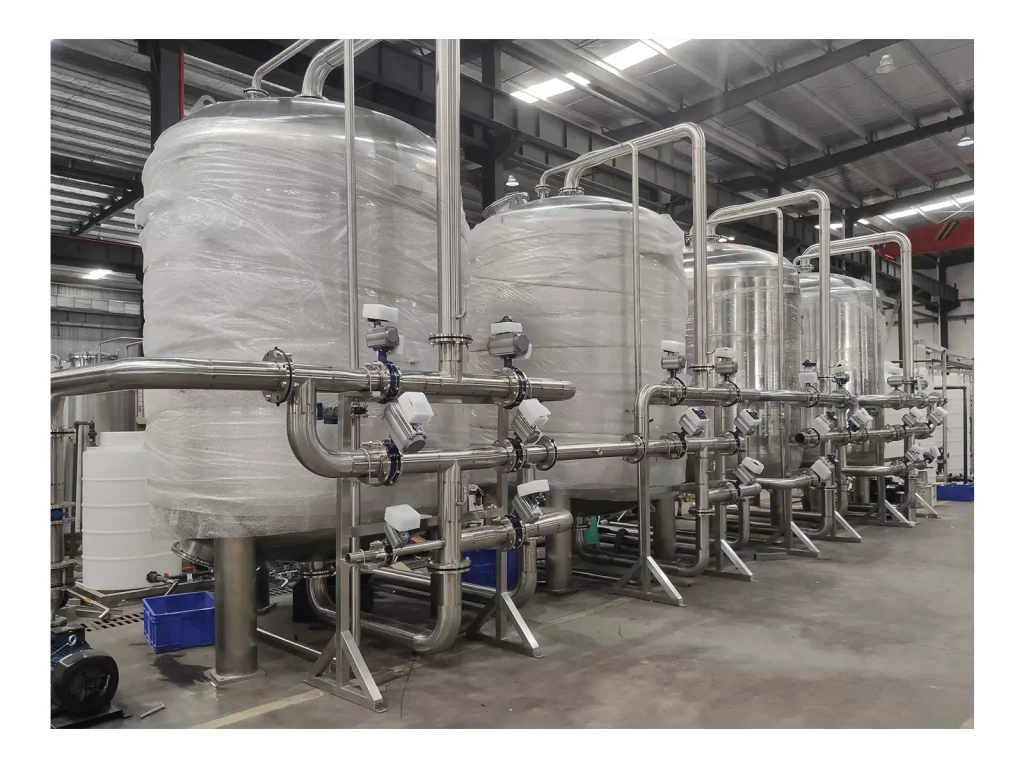
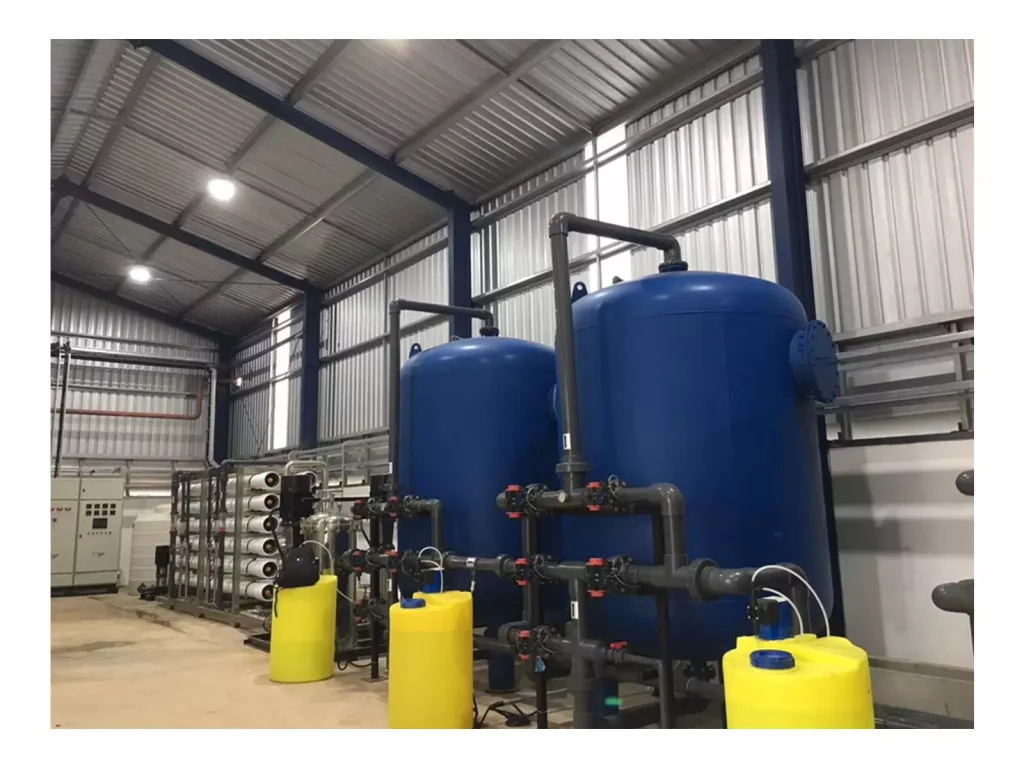
For high-hardness feedwater, softeners are proven and reliable. They can reduce hardness to near-zero levels, which significantly extends membrane life and reduces cleaning frequency. Industrial duplex softeners — two vessels alternating so one is always in service — allow continuous operation without interruption for regeneration.
The trade-off is the regeneration process itself: it consumes salt, produces a concentrated brine waste stream, and in some regions, discharge of that brine is increasingly regulated. According to WaterWorld, several U.S. states and municipalities have introduced restrictions on water softener brine discharge, a regulatory trend worth accounting for in long-term system planning.
Antiscalant vs Water Softener: Key Differences
Here’s a side-by-side comparison across the factors that matter most in industrial RO pretreatment:
| Factor | Antiscalant | Water Softener |
| Working principle | Inhibits crystal growth | Removes Ca²⁺ / Mg²⁺ via ion exchange |
| CAPEX | Low (metering pump + tank) | Medium to high (vessel, resin, brine tank) |
| OPEX | Chemical cost; no salt | Salt consumption; regeneration water |
| Silica control | Yes | No |
| Barium/sulfate control | Yes | Partially |
| Wastewater generated | Minimal | Brine waste from regeneration |
| Sodium added to water | No | Yes |
| Footprint | Very small | Moderate to large |
| Recovery rate impact | Supports high recovery (>75%) | Less effective at very high recovery |
| Maintenance | Low | Regular (resin checks, salt refill) |
Neither option wins across every category. The right choice depends heavily on what your feedwater actually contains and what your system is designed to achieve.
Which Option Is Better for High Hardness RO Feed Water?
This is where system-specific conditions take over from general comparisons.
Choose Antiscalant When:
- Your target recovery rate is above 75%
- Feedwater contains significant sulfate, silica, or barium — ions that softeners don’t fully address
- Minimizing wastewater is a priority (no brine discharge)
- You’re running a large industrial RO skid where equipment footprint matters
- Local regulations restrict softener brine disposal
Choose a Water Softener When:
- Calcium and magnesium hardness is the primary concern
- You’re running a small to mid-size RO system
- The application is boiler make-up water or process water where near-zero hardness is required
- Feedwater TDS is moderate and recovery targets aren’t extremely high
One thing worth noting: softeners work extremely well when hardness is the dominant issue and the system doesn’t push high recovery ratios. But as recovery increases and more dissolved solids concentrate in the reject stream, the softener alone may not be sufficient — which is where the combination approach becomes relevant.
Can Antiscalant and Water Softener Be Used Together?
Yes, and in many demanding industrial applications, this is exactly what’s specified.
A duplex pretreatment design uses a softener to remove the bulk of hardness from the feedwater, then follows with an antiscalant dose to handle residual scaling risk before the RO membranes. This layered approach is common in:
- Ultra-high hardness groundwater where a single method would be pushed to its limits
- High recovery systems targeting 85%+ where concentrate-side scaling risk is elevated
- ZLD (Zero Liquid Discharge) plants where every bit of water recovery matters
- Wastewater reuse applications with variable or challenging feedwater quality
The combination adds cost, but for the right application it delivers a level of membrane protection that neither solution can achieve on its own. If you’re seeing accelerated fouling despite having one pretreatment method in place, it’s worth evaluating whether a hybrid approach makes sense for your system.
Cost Comparison: Which Pretreatment Is More Economical?
The honest answer is: it depends on your system size, run time, and feedwater.
Here’s how the cost picture typically breaks down:
Antiscalant has low upfront capital cost — a metering pump, chemical storage tank, and control system is relatively straightforward to install. Ongoing costs are tied to chemical consumption, which scales with flow rate and dosing concentration. There’s no salt cost and minimal wastewater disposal cost.
Water softeners carry higher initial equipment costs, especially for industrial duplex systems. Operating costs include salt, regeneration water, and periodic resin replacement (typically every 5–10 years depending on feedwater). If brine disposal involves a treatment or discharge fee, that adds to the OPEX as well.
Over a 3–5 year lifecycle, antiscalants often come out more cost-effective for large-scale systems with complex feedwater. For smaller systems with simple, high-hardness feedwater, a softener’s predictability and low chemical dependency can make it the more economical long-term choice.
The wildcard is membrane replacement cost. If a poorly chosen pretreatment method leads to premature fouling, both options become expensive fast. That’s why the selection decision matters more than most operators realize.
How to Choose the Best RO Pretreatment for Your Plant?
Before committing to either solution, it’s worth running through a structured evaluation:
1. Get a full feedwater analysis. Know your hardness (Ca²⁺, Mg²⁺), TDS, sulfate, silica, barium, iron, and pH. This is the foundation of any pretreatment decision.
2. Define your recovery target. Higher recovery = higher concentration factor = greater scaling risk. Systems pushing above 75–80% recovery generally benefit more from antiscalant programs.
3. Check local discharge regulations. If brine disposal is restricted or costly in your area, that shifts the calculation toward antiscalant.
4. Assess your operational capacity. Softeners require more active management (salt restocking, regeneration scheduling, resin monitoring). Antiscalant systems are lower-touch but require reliable chemical supply and dosing accuracy.
5. Consider your long-term water cost. If water is expensive or scarce, every percentage point of recovery matters. That’s a point in antiscalant’s favor for high-recovery designs.
If you have a feedwater analysis report available, sharing it with a pretreatment specialist will give you a more precise recommendation than any general framework can offer. Contact Molewater.
FAQs
Is antiscalant better than a water softener for RO?
Not universally — but for high-recovery RO systems or feedwater with silica and sulfate, antiscalants generally offer broader protection with lower wastewater output. Softeners are more effective when high hardness is the primary and dominant concern.
Can I use antiscalant without a softener?
In many cases, yes. Antiscalants are designed to handle multi-ion scaling risk and are widely used as a standalone pretreatment in industrial RO systems. The key is selecting the right antiscalant formulation for your specific feedwater chemistry.
Does a water softener remove silica?
Standard ion exchange softeners do not remove silica. Silica scaling is one of the more challenging RO fouling problems, and antiscalants — particularly those formulated for silica inhibition — are the more appropriate tool.
Which option is better for high recovery RO?
Antiscalant dosing is generally preferred for high-recovery applications because it doesn’t add to the sodium load in the concentrate and doesn’t generate a large brine waste stream. At recovery rates above 75–80%, the concentration factor puts significant scaling pressure on the membranes, and antiscalants are designed to handle that condition.
Can a softener and antiscalant work together?
Yes, and this combination is specified in many demanding industrial systems. A softener handles bulk hardness removal while the antiscalant manages residual scaling risk — particularly useful for very high hardness feedwater or systems targeting extreme recovery rates.