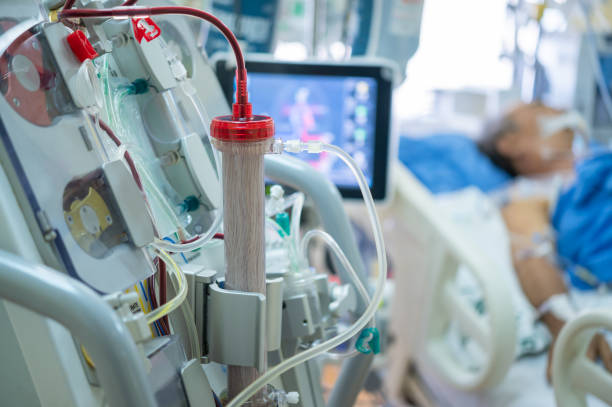
Dialysis patients require safe hemodialysis water because it directly impacts their health. Water that does not meet quality standards can introduce harmful contaminants, including bacteria, endotoxins, or chemical residues, which may cause serious complications. Dialysis facilities need to perform water testing and maintenance according to AAMI standards because these standards define safe levels of chemical contaminants and bacteria and endotoxins.
What is Dialysis Water System?
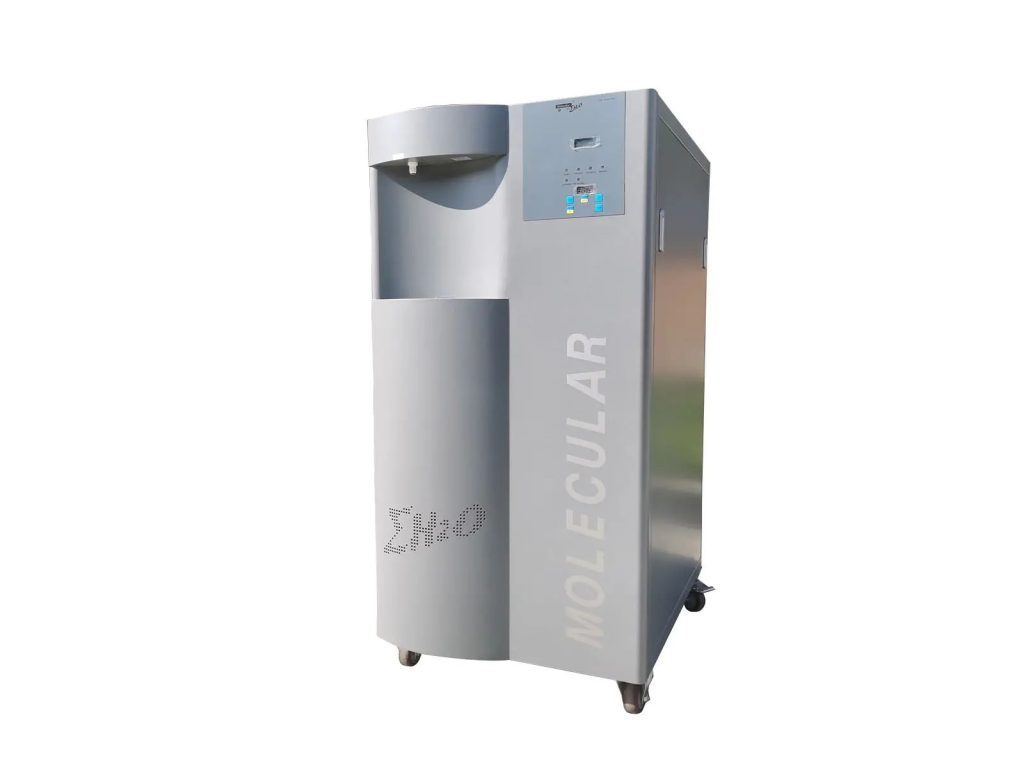
The dialysis process requires water that needs to touch a patient’s blood through the dialyzer system. The presence of even tiny impurities can lead to infections and allergic reactions and various other medical problems. The testing process needs to be performed regularly to identify the presence of microbial contamination and endotoxins and chemical imbalances. The testing program establishes a trustworthy system that protects both patients and the dialysis center from potential dangers. The components of a dialysis water system consist of multiple parts:
- Pre-treatment equipment: Softeners and activated carbon filters to remove hardness and chlorine.
- Reverse osmosis (RO) system: Removes dissolved salts and most impurities.
- Electrodeionization (EDI) or deionization units: Further purify water to meet ultrapure standards.
- Terminal filters: Ensure water remains free of microbial contamination before reaching the dialysis machine.
The testing process requires evaluation of all essential locations between the RO/EDI outlets and the terminal points because every stage functions as a crucial element for maintaining water safety.
AAMI Water Quality Standards
The AAMI (Association for the Advancement of Medical Instrumentation) provides widely recognized guidelines for dialysis water quality. The standards establish maximum limits which restrict chemical and microbial and endotoxin contamination to protect patient safety in all countries. Below are key indicators and their maximum allowable limits:
| Indicator | Unit | AAMI Maximum Value | Description |
| Total Dissolved Solids (TDS) | mg/L | 2 | Indicates chemical purity of water |
| Conductivity | µS/cm | 10 | Measures ion content in water |
| Bacterial count | CFU/mL | <100 | Prevents microbial infections |
| Endotoxin | EU/mL | <0.25 | Prevents pyrogenic reactions |
| Chlorine/Chloramines | mg/L | <0.1 | Protects RO membranes and water safety |
| Heavy metals (iron, copper, lead) | mg/L | Varies | Avoids toxicity to patients |
Core principles of AAMI standards:
- Water quality must remain consistently safe.
- Regular testing and documentation are required.
- Proper disinfection and maintenance prevent microbial growth.
- Any deviations from standards must be addressed immediately.
Download: AAMI Standards for Dialysis Water pdf
Step-by-Step Dialysis Water Testing
Step 1: Sample Collection
The sampling needs to be performed at three different locations which are the RO outlet and EDI outlet and terminal water. The process requires the use of sterilized containers which must be handled through aseptic techniques to prevent any secondary contamination.
Step 2: Conductivity and TDS Testing
Use accurate meters to measure both water conductivity and TDS levels. The RO/EDI system operates properly when it produces water that meets chemical standards and its values remain stable.
Step 3: Microbial and Endotoxin Testing
Bacterial testing requires the execution of culture-based methods which measure colony-forming units through CFU counting. Endotoxin detection is performed through LAL (Limulus Amebocyte Lysate) assays which test for pyrogens.
Rapid kits can be utilized for an onsite case evaluation, while a more clear diagnosis could be achieved by sending the sample to be further tested in a medical research lab.
Step 4: Chemical Contaminant Testing
The testing process requires checking for chlorine and chloramines together with heavy metals which include iron and copper and lead. The testing process requires using chemical kits or online monitoring devices which are built into the dialysis water system.
Step 5: Data Recording and Analysis
All testing activities require log maintenance which should include date information and sample point details and test results. The measurements must be assessed against the AAMI standards for comparison purposes. The organization needs to execute immediate corrective actions whenever any deviation from established procedures occurs.
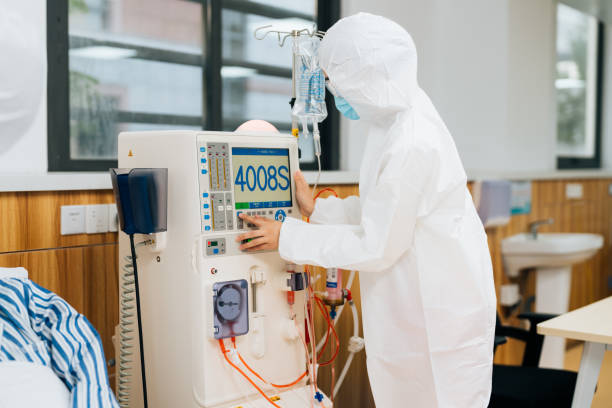
The collection process needs strict aseptic handling methods which prevent secondary contamination from occurring. The testing equipment should be portable so it can be used for daily and weekly testing procedures. The staff requires ongoing instruction about correct water testing methods and safety protocols. Your dialysis water system requires a systematic approach to maintenance and monitoring which needs to be implemented as a scheduled program.
If testing reveals that water does not meet AAMI standards:
- Perform chemical or heat disinfection of the RO/EDI system.
- Replace filter cartridges or membranes as needed.
- Temporarily suspend dialysis until water quality returns to safe levels.
- Establish a formal alert and corrective procedure to prevent repeated issues.