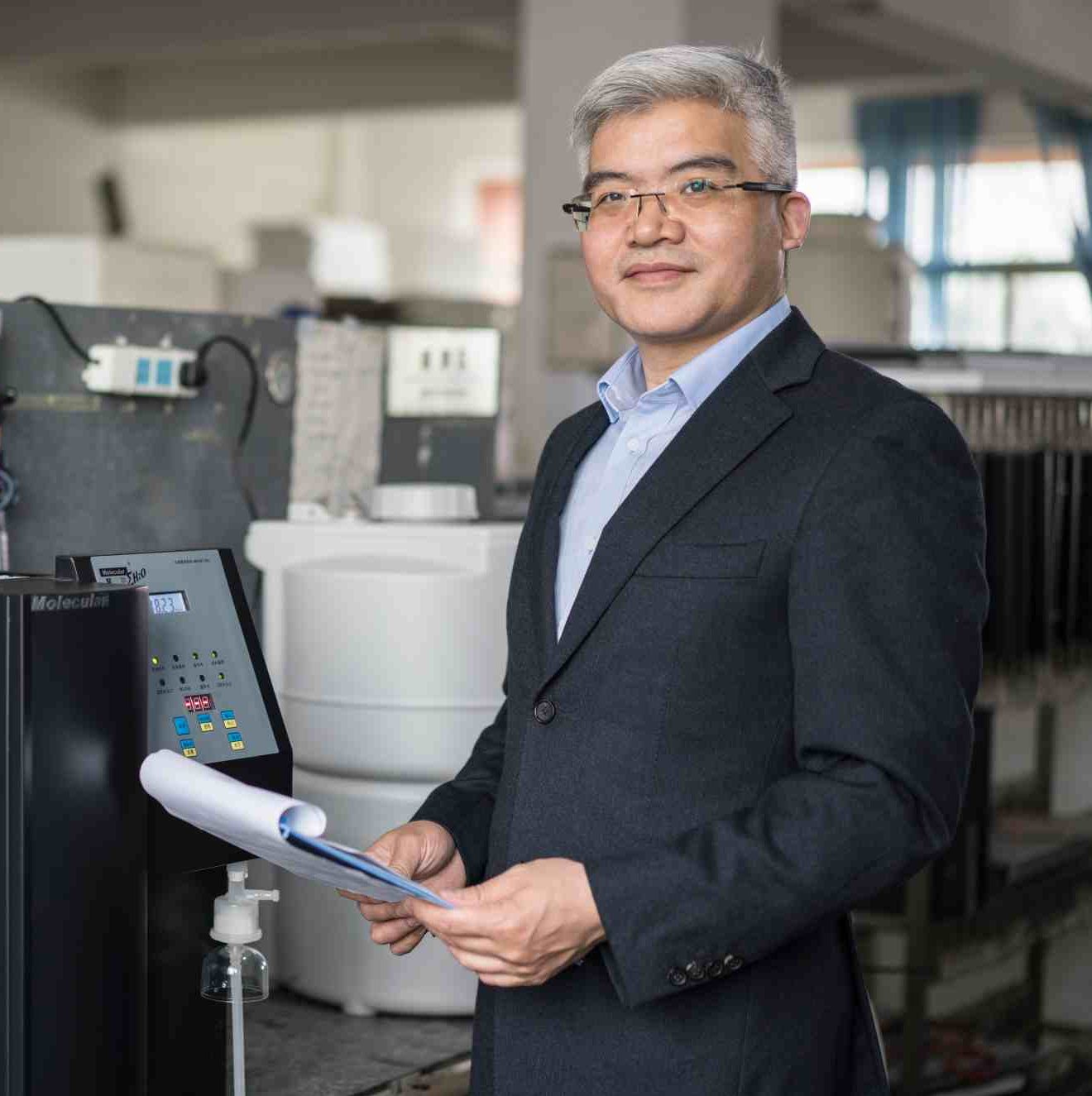
In the modern world of semiconductor fabrication, water is more than an essential resource, but is a crucial material used in process. In everything from wafer clean-up to advanced lithography the purity of ultrapure water (UPW) directly affects the yield of chips along with device reliability and stability of production. As manufacturing nodes decrease and the complexity of processes increases by the year 2026 choosing the best ultrapure water systems for semiconductor water processing is now a strategic choice rather than an easy infrastructure upgrade.
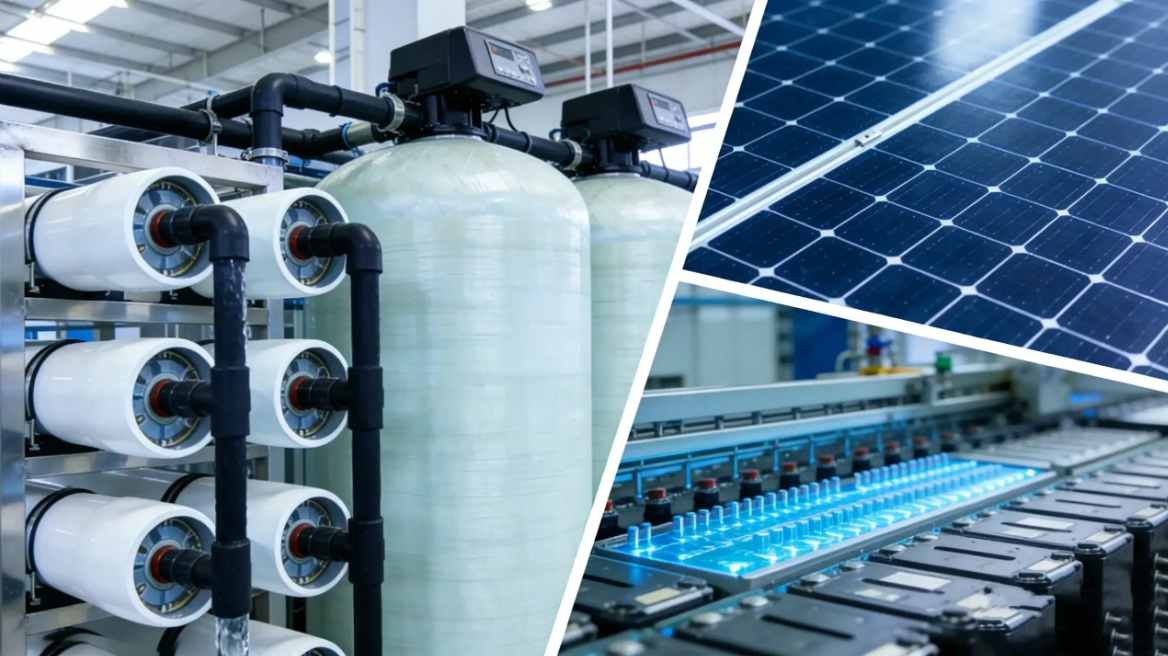
Why Ultrapure Water Is Essential in Semiconductor Manufacturing?
Semiconductor production requires water of exceptional quality. Even tiny contaminants can harm wafer surface or disrupt circuit patterns that are measured in nanometers.
Key UPW Quality Indicators
An ultra-performance UPW system has to consistently reach:
- 18.2 MΩ·cm resistivity (indicating low Ionic contamination)
- Low TOC (Total Organic Carbon) levels
- Sub-micron particle removal
- Endotoxin and Bacteria control
Any variation in these parameters could cause a decrease in yield or create imperfections.
Where UPW Is Used in the Fab
Ultrapure water is needed in multiple phases:
- Washing and cleaning the wafer
- Photolithography
- Etching and stripping
- Chemical Mechanical Planarization (CMP)
- Advanced packaging technology and microelectronics assembly
Each stage has different specifications for purity, making system stability and flexibility crucial.
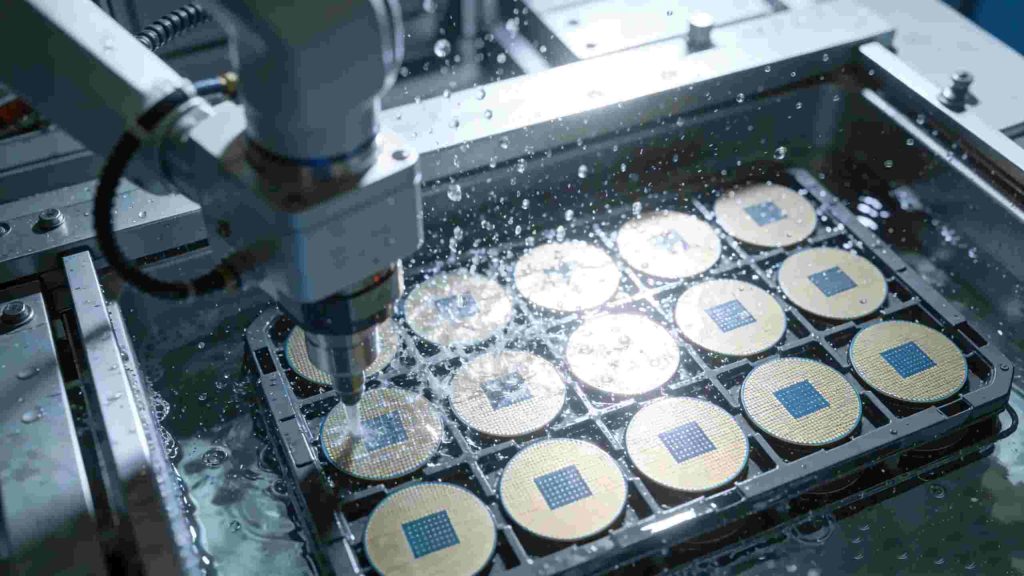
How We Evaluate the Best Ultrapure Water Systems in 2026
If users are looking in search of”the “best” system, they typically seek an easy-to-compare framework. In 2026, the standards for evaluation surpass the pure purity.
1. Purity Performance & Stability
The system should always keep 18.2 MΩ·cm resistivity as well as ultra-low TOC, even in high production loads.
2. Energy Efficiency & Water Recovery
As sustainability is now a key component of semiconductor manufacturing, top systems have high recovery rates and a reduction in water usage.
3. Intelligent Monitoring & Automation
Modern UPW systems include the use of real-time sensors and data trackers along with predictive tool for maintaining that help to reduce the time it takes to repair.
4. Scalability & Modularity
Semiconductor fabs are often able to expand production lines. Modular UPW system permits flexible scaling with no complete overhaul.
5. Maintenance & Lifecycle Cost
The most effective systems aren’t just efficient, but they’re also cost-effective over time, and have optimized consumption and a simplified service.
Best Ultrapure Water System Configurations in 2026
Instead of focusing on brands only, it is better to study the most popular systems architectures.
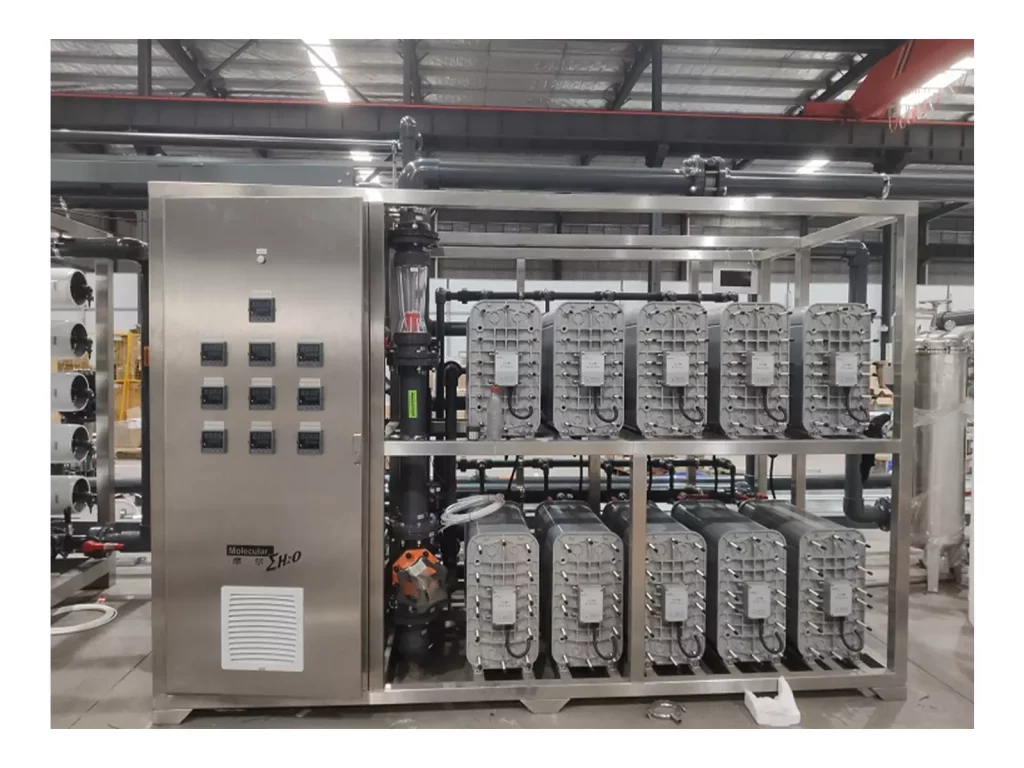
1. RO + EDI + UV + Polishing Loop (High-End Fabs)
Ideal option for Advanced Wafer fabrication or sub-5nm fabrication
The core strengths are:
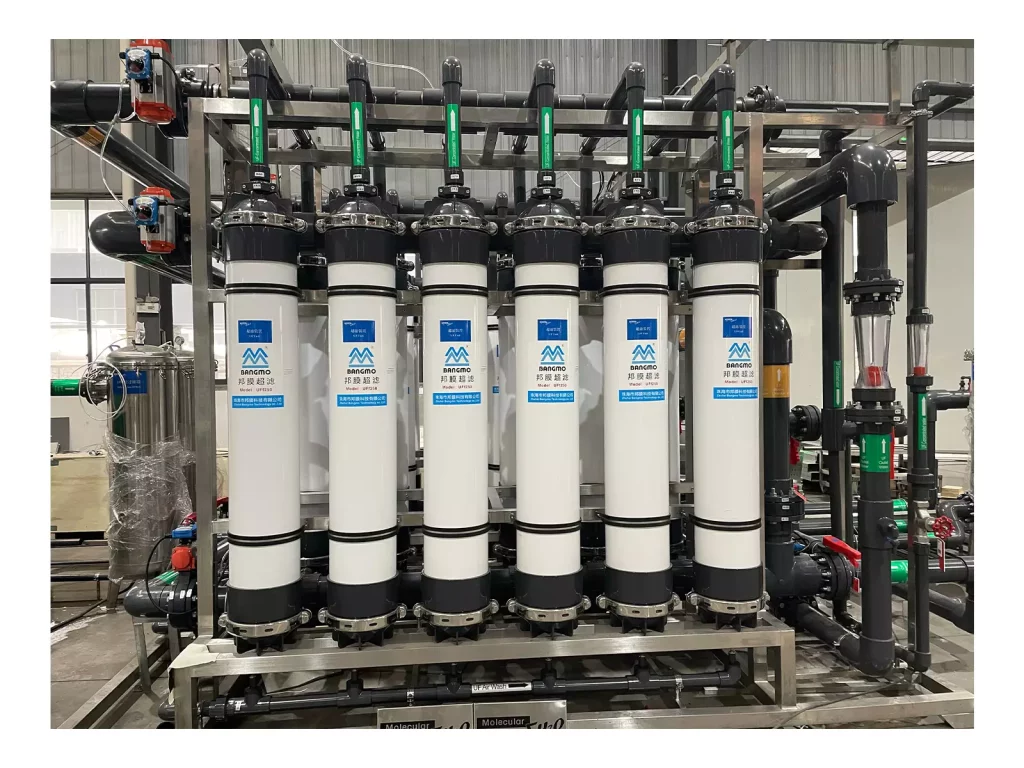
- Multi-stage reverse Osmosis (RO) to pre-treat
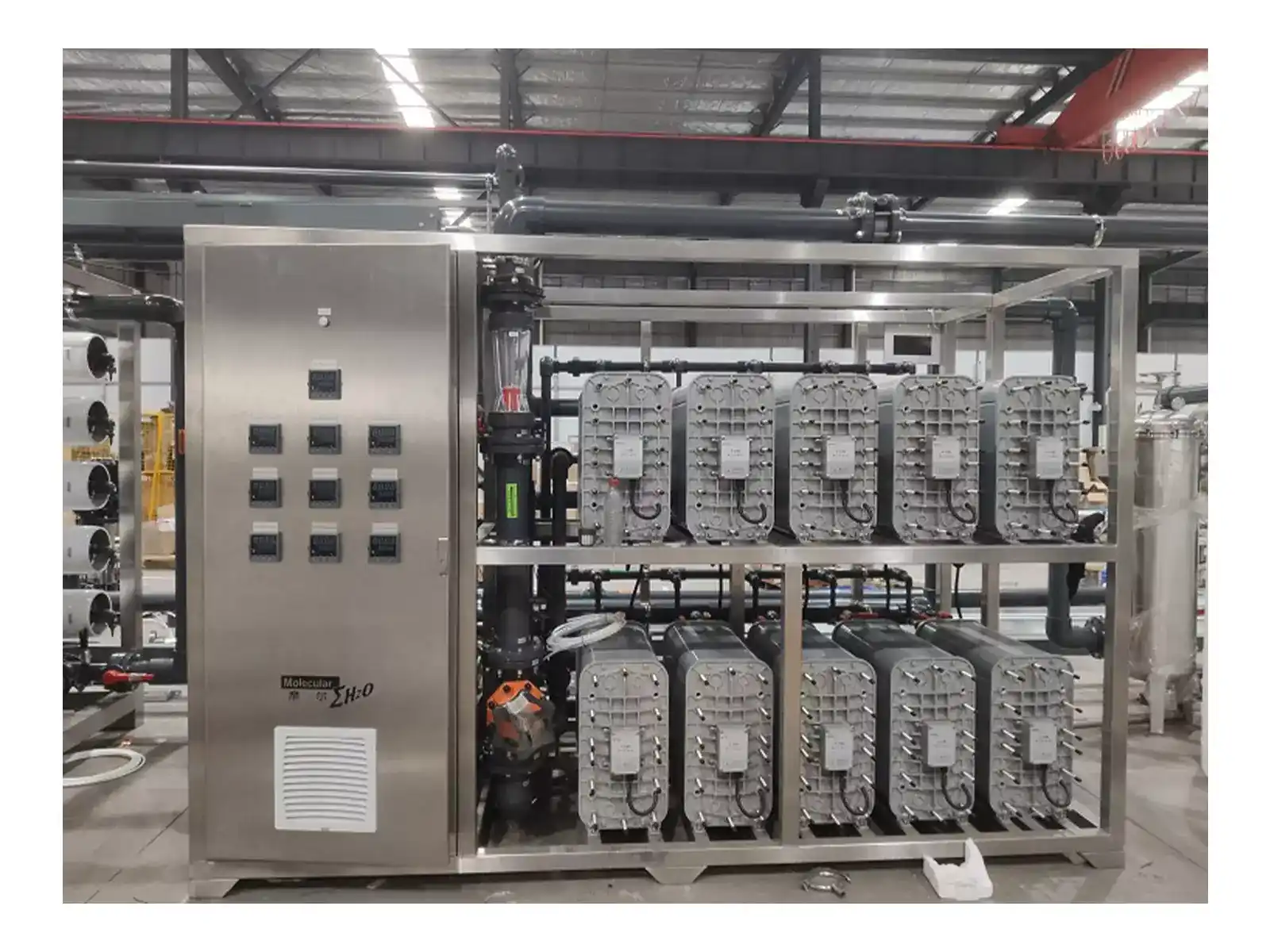
- Electrodeionization (EDI) for continuous deionization
- UV oxidation is a method for TOC reduction
- Final polishing using mixed bed resins
This configuration offers incredible stability and extremely low levels of contamination, making it ideal for production of high-precision chips.
Beware: More initial investment, but a high return on investment due to yield improvement.
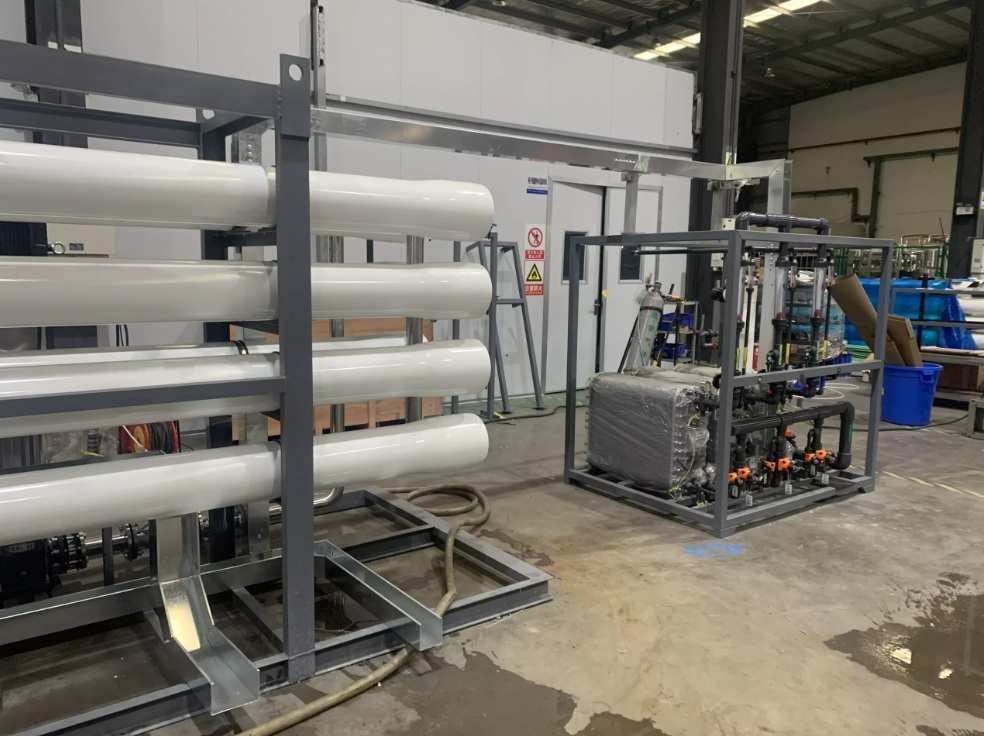
2. RO + EDI Modular Systems (Mid-Size Facilities)
The best choice for expanding Microelectronics manufacturing and fabs
Strengths of the core:
- Performance and balance
- Installation and expansion are much easier.
- Low maintenance and reliable resistivity
These systems provide strong quality control, while allowing for the cost of capital, which makes these systems attractive for mid-scale production.
3. Integrated Smart UW Systems that are Smart and have High Recovery
Best for: Sustainability-focused semiconductor facilities
Strengths of the core:
- Advanced reclaim modules for reclaiming
- Real-time digital monitoring dashboards
- Lower discharge and consumption of water.
In 2026 the environmental compliance and efficiency in operations are equally crucial as the purity of the product. Intelligent integrated systems are aligned with the green manufacturing objectives.
How to Choose the Right Ultrapure Water System
Every semiconductor facility requires specific system characteristics. The decision-making process requires system evaluation through three assessment criteria.
1. Production Node & Process Sensitivity
Advanced nodes (e.g., logic, memory, high-density packaging) demand tighter contamination control.
2. Water Demand Volume
The daily consumption levels of water determine how much system capacity needs to be installed together with their backup systems.
3. Space & Infrastructure Constraints
Retrofit projects and facilities with limited space should use modular systems as their primary solution.
4. Sustainability Goals
The company needs integrated reclaim systems because water recovery and energy savings function as their top corporate priorities.
5. Long-Term ROI
A cheaper system may lead to higher operational costs. The assessment needs to include all consumables along with the potential downtime and yield decrease through the assessment period.
5 Practical Tips to Optimize Semiconductor UPW Systems
The most effective ultrapure water systems require a well-planned management and continuous improvement. This table lists the key actions and their value:
| Optimization Strategy | What to Do | Why It Matters | Expected Benefit |
| Real-Time Monitoring | Continuously track resistanceivity and TOC levels particles, TOC levels, and the flow rate using sensors online. | The early detection of purity deviations ensures that contamination is prevented from reaching manufacturing equipment. | Reducing the risk of defects in wafers and sudden system shutdowns. |
| Predictive Maintenance | Replacing membranes, resins UV lamps and filters based on trends in performance instead of following a fixed schedule. | Degradation of component can affect the water quality, before alarms go off. | Stability of the system is improved and less cost of emergency repairs. |
| Optimize Reclaim Ratios | Set the water recovery rate to your desired level to ensure security of the process and consistency in purity. | Reducing the amount of recovery is not always a good idea Low recovery can waste resources. | Sustainable goals that are balanced in addition to operational reliability. |
| Operator Training | Offer structured technical training and Standard Operating Procedures (SOPs). | Human error is a regular factor in performance fluctuations. | Control of the system more consistent and fewer preventable incidents. |
| Fab Data Integration | It is possible to connect UPW system data to the yield and production management systems for yield and production. | A correlation between the quality of water and yield trends can help identify root causes more quickly. | Optimizing manufacturing using data and improving efficiency. |
This method of operation ensures it is that the semiconductor UPW systems function not just with the highest purity, but as well with long-term reliability and cost effectiveness.
Investing in the Future of Yield
In the highly competitive world of 2026 semiconductor manufacturing an ultrapure water solution will be the guardian in silent mode of your yield. The transition from a basic filtration system to a fully integrated, AI-controlled with high recoveries UPW system is not a choice but an essential requirement. By prioritizing purity of PPTs and a sustainable approach to resource management manufacturing companies can ensure that their chips are able to meet the demanding requirements of the AI age. If you are looking to upgrade infrastructure having a consultation with Molewater will ensure that your facility is prepared for the challenges of the future’s technology.