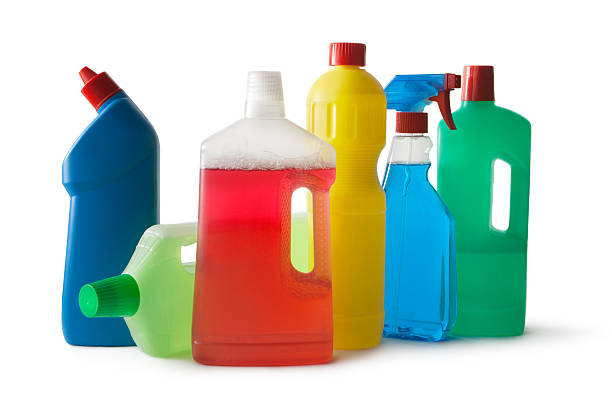
In our daily life, various cleaning agents such as bleach, dishwashing liquid and disinfectant are indispensable helpers for maintaining household hygiene. They are highly effective in removing dirt and sterilizing and disinfecting. After use, the residual liquid and sewage usually flow into the city’s vast sewer system through the drainage outlets.
Many people think that once the cleaning agents enter the sewer, they disappear. But this is a common misunderstanding: sewers are by no means the end point of chemicals. In fact, these sewage mixed with various chemical components will eventually be collected in domestic sewage treatment plants.
So, how do domestic sewage treatment plants deal with and handle these complex household chemicals? Can they ensure that the cleaning agents we discharge will not cause pollution to the water environment? This article will delve deeply into the journey and ultimate destination of these chemicals in the sewage treatment system.

What Are The Common Cleaning Chemicals In Household Sewage?
To understand the treatment process, it is first necessary to know which “visitors” are contained in the sewage. The cleaning chemicals in household sewage can mainly be classified into the following categories:
Chlorine-containing products (represented by bleach)
The main component of this type of product is usually sodium hypochlorite, which takes advantage of its strong oxidizing property to achieve the purposes of bleaching and disinfection. While they kill bacteria, they are also a type of substance with relatively active chemical properties. Once they enter water, they will undergo chemical reactions rapidly.
Surfactant-based cleaners
The core of the laundry detergent, dishwashing liquid, bathroom and toilet cleaner and other products we commonly use is surfactant. It is precisely they that can reduce the surface tension of water, form foam, and wrap up and carry away oil stains and dirt. They are the most common and largest type of organic pollutants in sewage.
Disinfectants and other chemical additives
In addition to the above two types, there are also disinfectants containing alcohol or quaternary ammonium salts and other components. In addition, to enhance the user experience, many cleaning agents also incorporate auxiliary components such as fragrances, pigments, and various stabilizers, all of which constitute the complex chemical components in sewage.
What Happens to These Cleaning Chemicals Once They Enter the Sewage Treatment Plant?
A sewage treatment plant is a multi-level and precise system. Cleaning chemicals here will undergo multiple rounds of screening from physical to biological.
Pretreatment stage: Physical interception is the main approach
The sewage will first pass through the grid and the grit chamber. The grid intercepts large floating objects, and the grit chamber removes inorganic particles with higher density.
Unfortunately, at this stage, it is almost impossible to “directly stop” the detergent dissolved in water. They will continue to move forward with the current.
Primary treatment: Sedimentation is used to remove some pollutants
In the primary treatment stage, most of the suspended solids that can be settled can be removed through static sedimentation. Some of the chemical substances adhering to these solid particles, such as oils and certain water-insoluble dyes, will also be removed accordingly.
However, for most dissolving cleaners, such as bleach and the vast majority of surfactants, the effect of primary treatment remains limited. The real challenge lies in the subsequent biochemical treatment stage.

Biochemical Treatment Is A Key Part: How Do Microorganisms Digest Detergents?
Biochemical treatment is the core of modern sewage treatment plants and also the main battlefield for dealing with organic pollutants and dissolved detergents.
Basic Principles of the Activated Sludge System
The sewage is introduced into the aeration tank, which contains billions of activated sludge – a group of highly efficient “cleaner” microorganisms. They take the organic pollutants in the sewage (including many organic components in cleaning agents, such as surfactants) as “food”, decomposing them into carbon dioxide, water and new microorganisms.
Most surfactants are designed with biodegradability in mind, so they can be effectively decomposed and removed by the activated sludge system after sufficient aeration time.
How is chlorine in bleach treated?
For the active ingredient in bleach – chlorine, its treatment method focuses more on chemical reactions.
Chlorine has strong oxidizing properties. Once it enters sewage, it will rapidly react with various organic and inorganic substances in the sewage and quickly decay. Before reaching the treatment plant, most of the chlorine may have already reacted and transformed into more stable forms such as chloride ions.
However, if a high concentration of bleach enters within a short period of time, it may have a potential impact on the microbial community in the aeration tank. However, thanks to the huge dilution effect of urban sewage and the buffering capacity of continuous inflow to treatment plants, normal household usage usually does not “kill” the entire sewage treatment system.
Will Normal Household Quantities Break Sewage Treatment Plants?
The answer is no, because the usage of household cleaners is scattered throughout the city, and by the time they eventually accumulate, their concentration has been significantly diluted. Meanwhile, the biochemical system of the treatment plant has a certain degree of tolerance and recovery capacity. As long as it is not industrial-grade, centralized or large-dose dumping, the activated sludge can maintain its normal degradation function.

Further Guarantees For The Advanced Treatment And Disinfection Stage
After biochemical treatment, the sewage will also enter the advanced treatment stage to ensure that the effluent quality meets the discharge standards.
Further reduction of chemical oxygen demand (COD)
For those residual organic substances that have not been completely degraded, such as certain flavors, pigments or additives that are difficult to biodegrade, advanced treatment processes (such as advanced oxidation, filtration, etc.) will play a supplementary role, further reducing the chemical oxygen demand (COD) of the effluent and ensuring that the water quality meets the standards.
Effluent Disinfection and Environmental Safety
Before the final discharge, the treated water still needs to go through a disinfection process, usually chlorination or ultraviolet disinfection, to completely inactivate the remaining pathogenic bacteria and ensure that the water discharged into natural water bodies is safe.
It should be noted that the disinfection of the effluent here is aimed at ensuring the safety of the water environment, which is fundamentally different from the purpose and concentration of using bleach for disinfection in households.

Under What Circumstances Do Cleaning Chemicals Stress the System?
Although sewage treatment plants have strong processing capabilities, not all situations can be handled with ease. The following situations can cause additional pressure or even damage to the processing system:
- Excessive use or concentrated dumping: Pour large barrels or high-concentration expired or leftover cleaning agents (such as disinfectant concentrate, industrial degreaser) directly into the sewer.
- Industrial-grade cleaners mixed into domestic sewage: Some small enterprises or catering places discharge high-concentration and hard-to-biodegrade industrial cleaning waste liquid into domestic sewage pipes.
- The risk of irregular pipe discharge: Mistakenly discharging chemicals into stormwater pipes instead of sewage pipes can lead to untreated chemicals directly entering rivers.
Green Emissions: Reducing The Burden On Sewage Treatment Plants
The safety of urban water environment requires the participation and maintenance of every family. We can help reduce the burden on sewage treatment plants in the following ways:
- Use cleaning agents reasonably and avoid the saying “more is cleaner” : Use them strictly in accordance with the recommended dosage in the product manual. Excessive use not only wastes but also increases the environmental load.
- Do not dump high-concentration chemicals at will: expired disinfectants, unused bleach, etc., should not be poured down the drain in whole bottles. High-concentration chemicals should be disposed of through regular channels.
- Choose more biodegradable products: When purchasing, pay attention to choosing cleaning products marked as “biodegradable” or “environmentally friendly” to reduce the emission of refractory substances from the source.
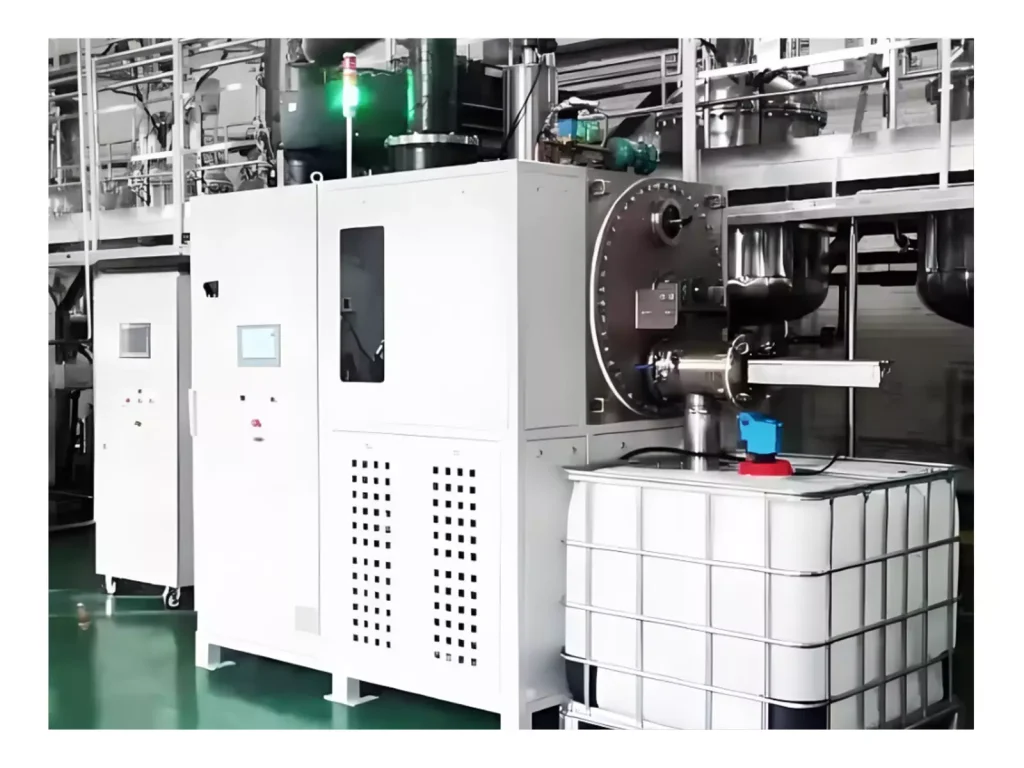
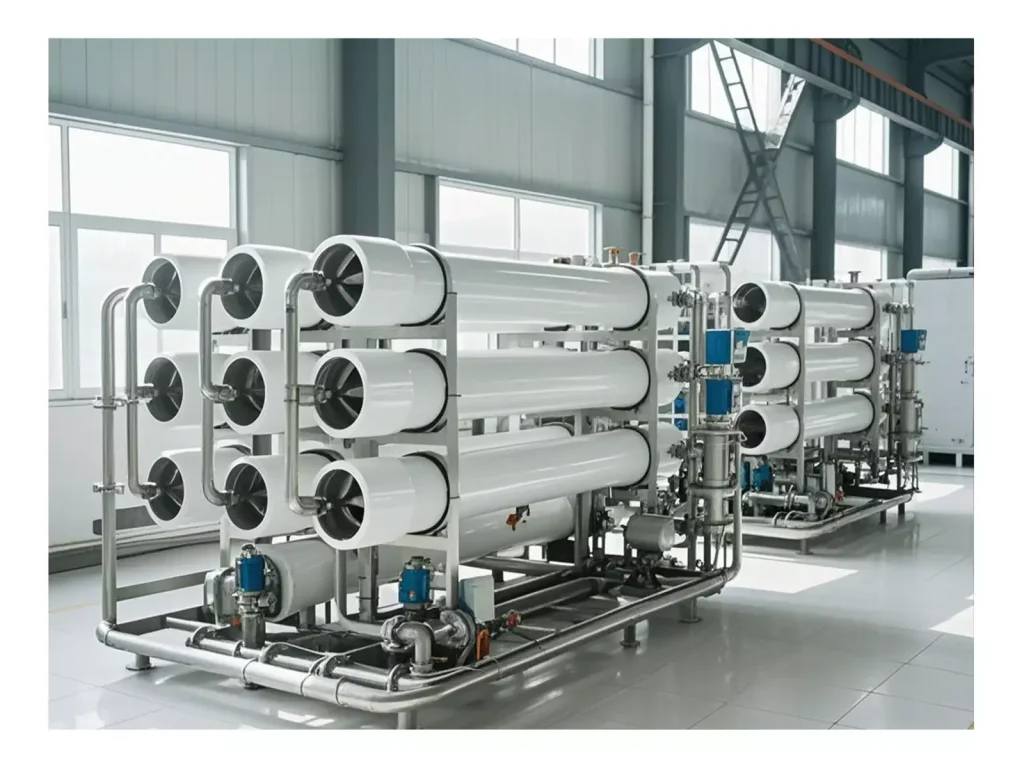
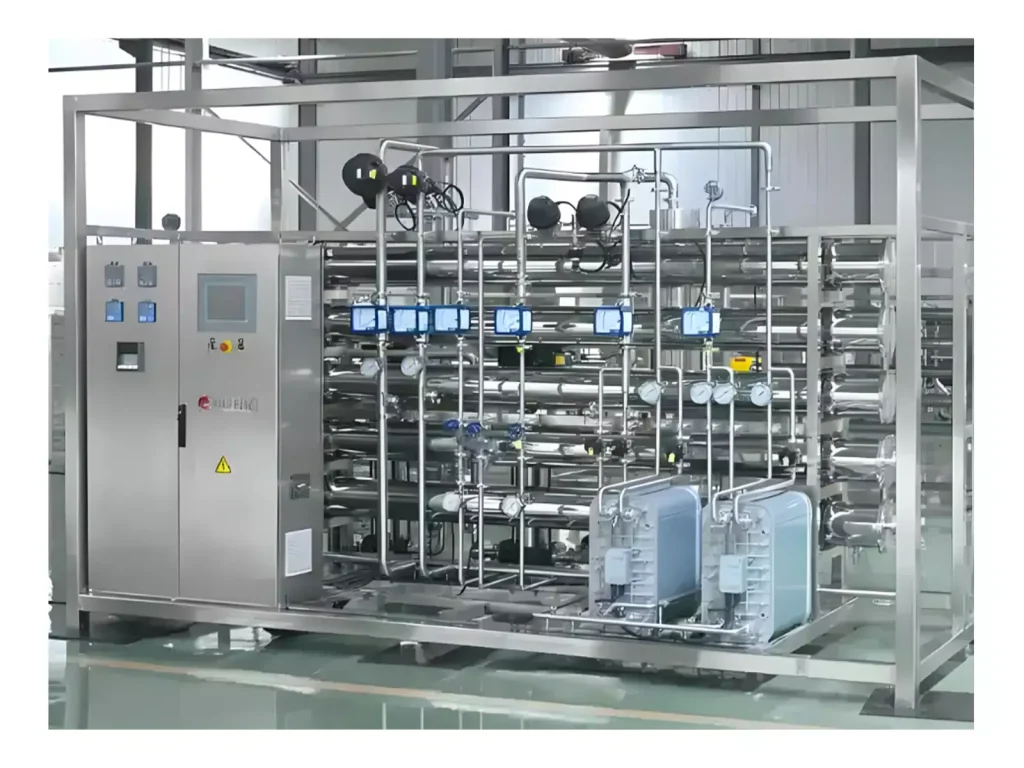
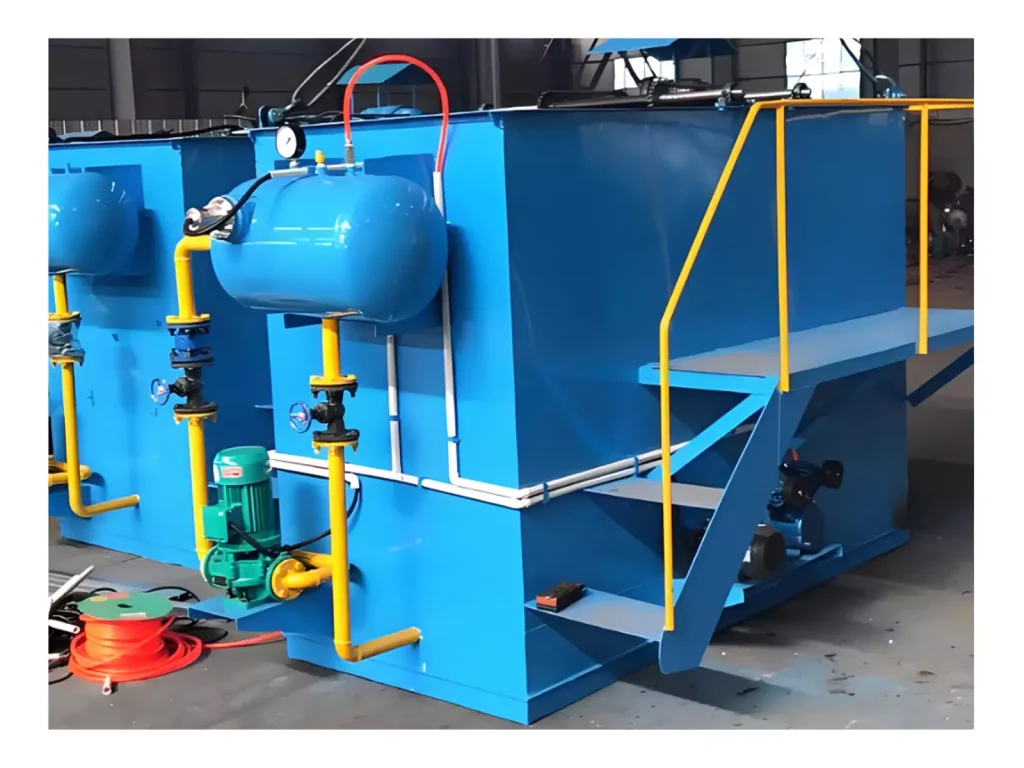
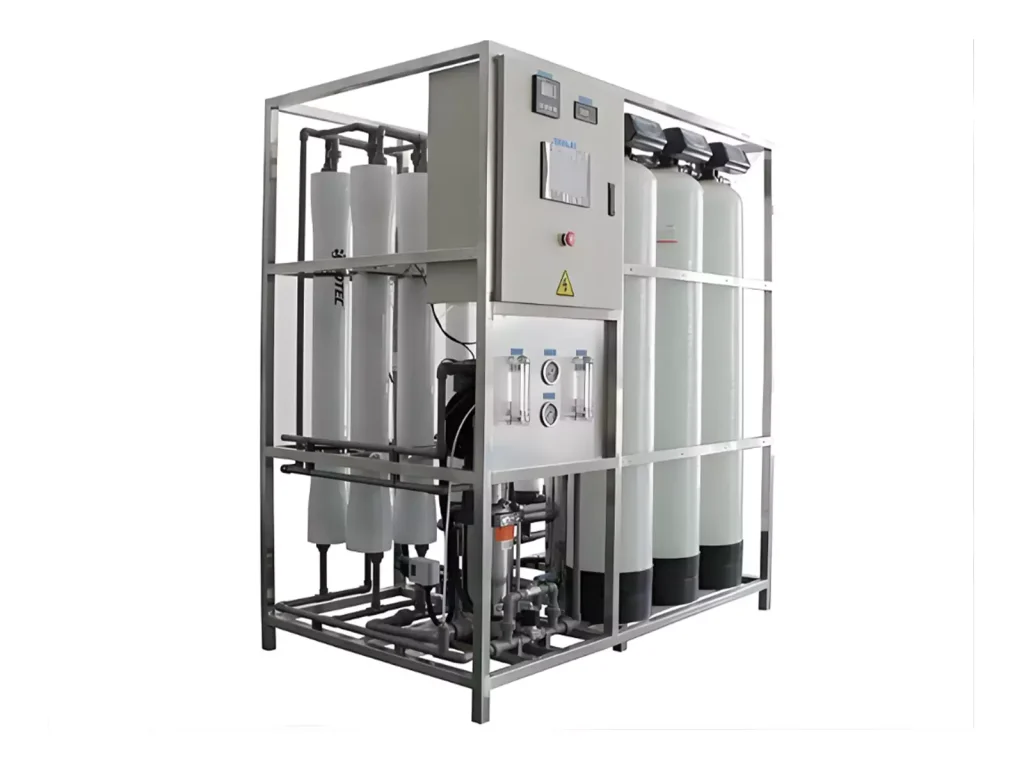
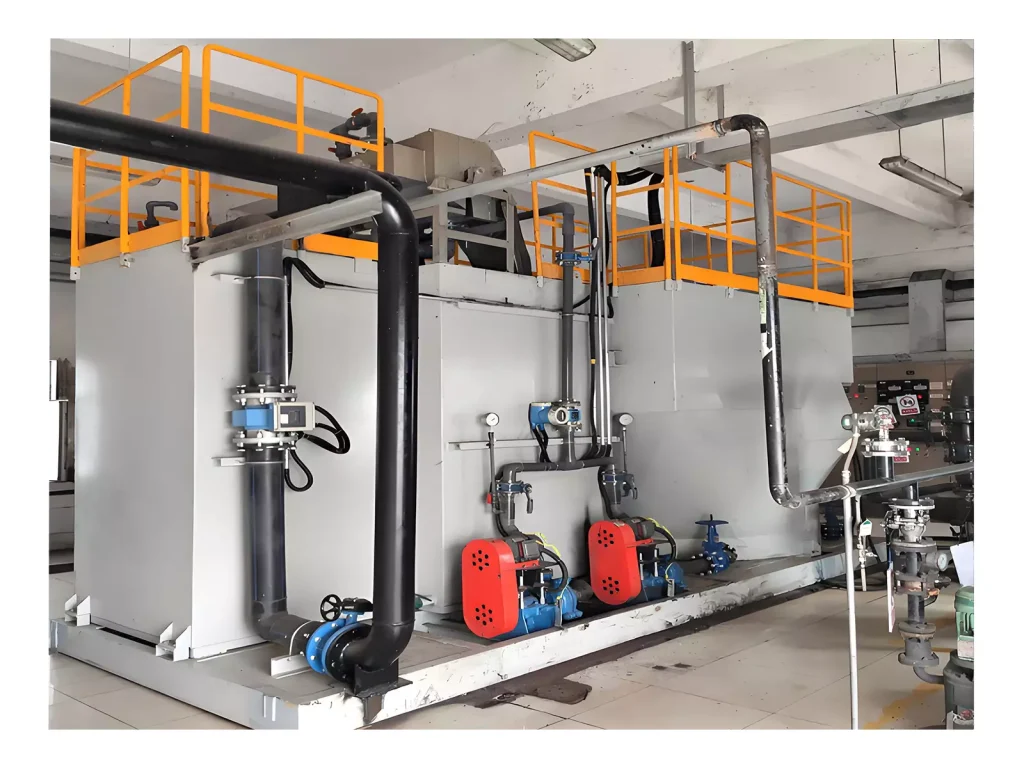
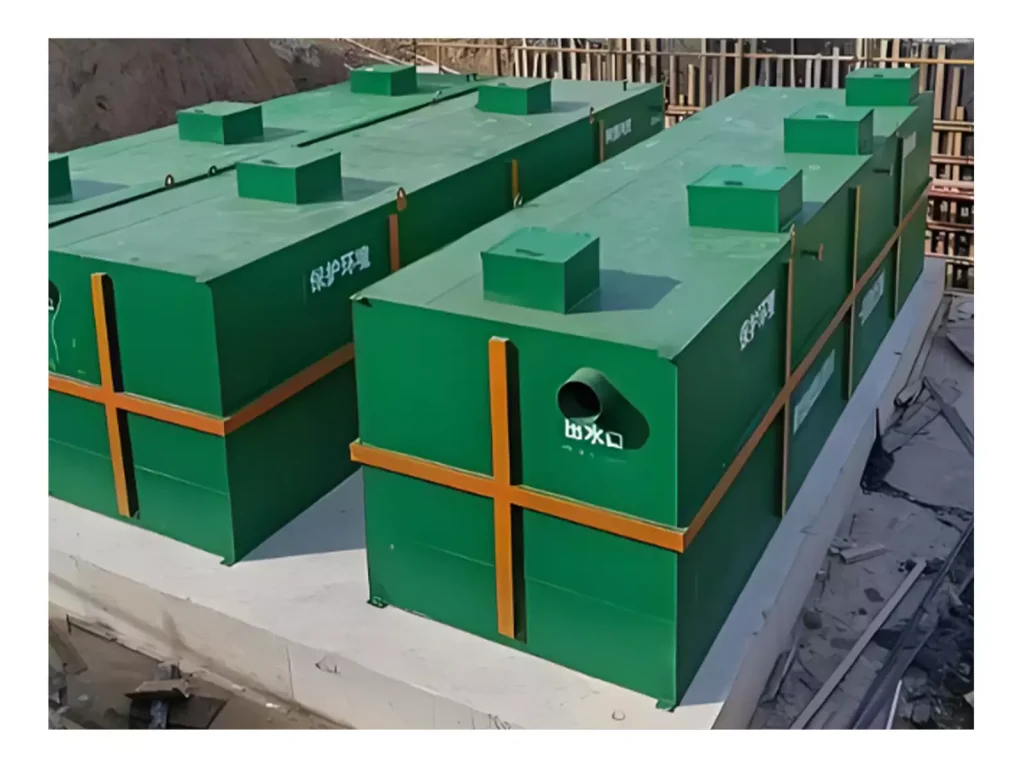
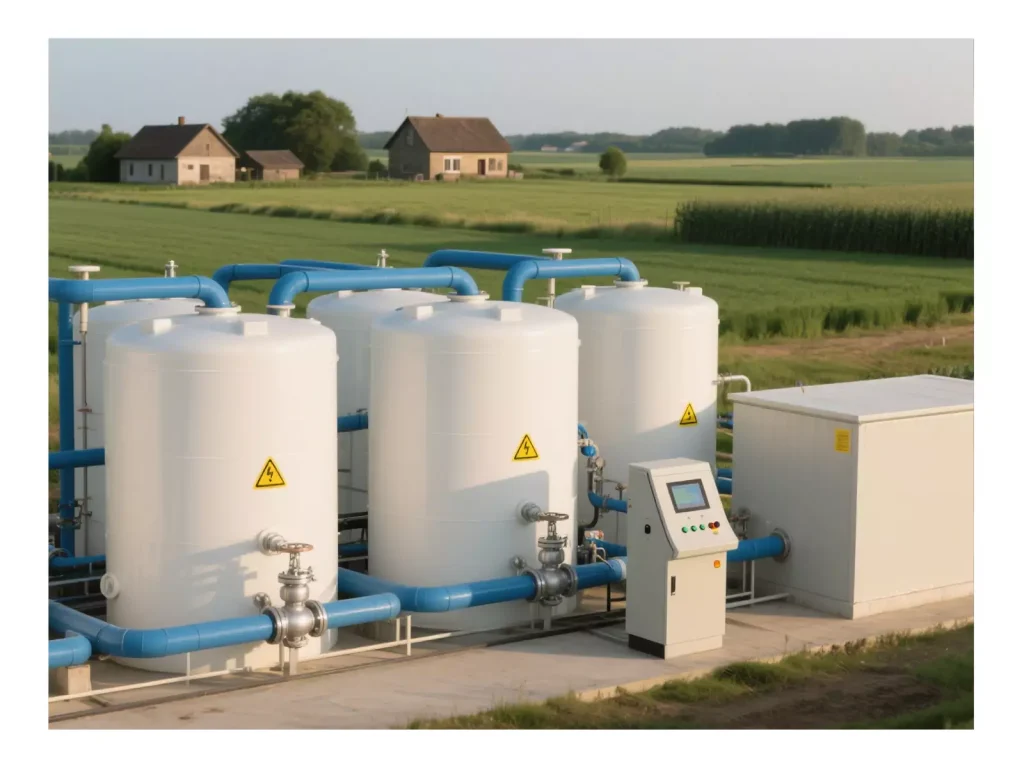
- Consider decentralized or regional processing solutions: For areas where urban Sewage networks have not yet covered or where higher standards of effluent are sought, it is advisable to consider using Molewater professional Domestic Sewage Treatment System. This system can effectively pre-treat sewage to a higher standard before it enters the municipal sewage network. It is particularly suitable for villas, self-built houses or remote communities, further reducing the pressure on large municipal sewage treatment plants.

Final Words
Domestic sewage treatment plants are like the kidneys of our urban water system. They are in invisible places, silently safeguarding the safety of the water environment through complex physical, chemical and biological processes.
Their powerful processing capacity enables the daily clean water we discharge to be purified, which is a re-understanding of the water treatment capacity of cities. However, this ability is not unlimited. Every cleaning habit of ours is closely related to the health of the entire city’s water system. From the rational use of cleaning agents to the selection of more environmentally friendly products and professional sewage treatment systems, each of us can make a positive contribution to the long-term protection of the water environment.
As an innovator in the field of water treatment, Molewater has always been committed to developing efficient, energy-saving and sustainable solutions, continuously contributing to the construction of cleaner and greener water circulation systems.