
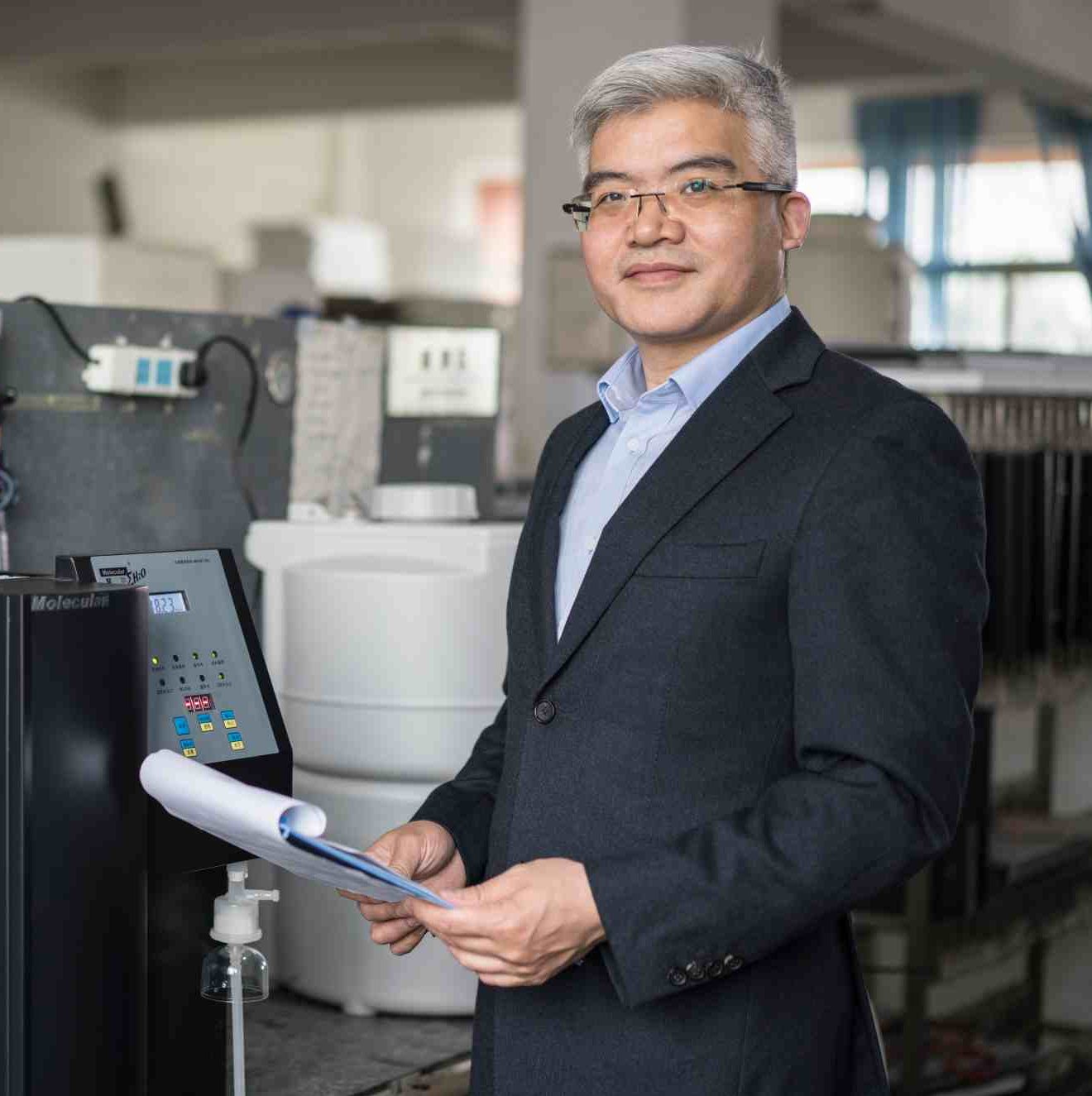
Millions of people dealing with renal failure throughout the world have no choice but to do hemodialysis. The pattern of going to the clinic, waiting, and coming back home, several hours each visit, three times a week, can take its toll on patients and families in ways that are not always obvious. What if safe, medical-grade dialysis could happen in the comfort of your own home?
This guide explains why home hemodialysis is becoming a viable option for more patients, what makes water treatment for hemodialysis so important to safety and how a portable hemodialysis water treatment machine is altering the way for those who need flexible, at-home care.
Why More Patients Are Choosing Home Hemodialysis
The clinical dialysis schedule is inconvenient. Much of the week is spent on logistics, not rest, between coordinating transportation, being in crowded facilities and recovering later. This layer of tiredness is piling onto an already arduous health journey for patients and their families.
Home hemodialysis can help patients regain valuable time and flexibility. It allows patients to maintain greater control, privacy, and independence in their daily lives. Treatment can be delivered in a familiar environment, with loved ones present, away from the commotion and clinical nature of a ward.
However, home hemodialysis is not for every patient. Successful home therapy involves appropriate training, a suitable home environment, and consent from the patient’s healthcare team. Patients should always talk to their nephrologist about changing to a home hemodialysis regimen.
Real-Life Benefits for Patients with Limited Mobility
For those with limited movement or persistent weariness, the benefits are even greater:
- No more exhausting commutes: Traveling to a dialysis center multiple times a week is physically draining. Home hemodialysis eliminates this burden altogether, allowing patients to preserve their energy for rehabilitation and daily living rather than travel.
- Flexible treatment schedules: Patients can adapt sessions to their own rhythm, whether that’s morning sessions before the household wakes up, or peaceful evening treatments at their own speed, instead of having to work around a fixed clinic timetable.
- Lower infection exposure: The immunocompromised dialysis patient is at high risk for hospital acquired infections. Home treatment may reduce exposure to some common healthcare-associated illnesses occurring in clinical settings. This is an important protection for those already suffering from impaired immune systems.
Ultra-Pure Water: The Hero of Safe Dialysis
The safety of a hemodialysis machine is dependent on the water it is utilizing. During each session, the patient’s blood is brought into close contact with a dialysate, a solution created with highly purified water. Any pollutant in the water can enter the blood stream.
This is the reason water treatment for hemodialysis is not just about making water “clean” in the conventional sense. It’s about getting the high purity required for dialysis applications.
Modern dialysis water treatment systems are designed to meet internationally recognized water quality standards, such as those established by AAMI and ISO, helping ensure patient safety throughout every treatment session.
Why Tap Water Alone Won’t Cut It
Tap water is normally considered safe and is generally suitable for drinking. But that notion can be perilous for dialysis patients.
- Hidden chemical threats: Tap water is commonly tainted with chlorine, chloramines, and trace heavy metals utilized in the municipality water treatment process. They are OK in small oral doses, but can induce significant reactions if they are in close touch with blood during dialysis.
- Microscopic biological risks: Tap water, even if treated, may include bacteria and endotoxins that are invisible to the naked eye. In a dialysis environment these can cause significant inflammatory responses or fever in people with already lowered immune defences.
- Medical-grade standards are non-negotiable: home hemodialysis water treatment must fulfill the same exacting criteria as equipment utilized in clinical settings. When it comes to blood purification, there’s no “close enough.”
Enter the Portable Hemodialysis Water Treatment Machine
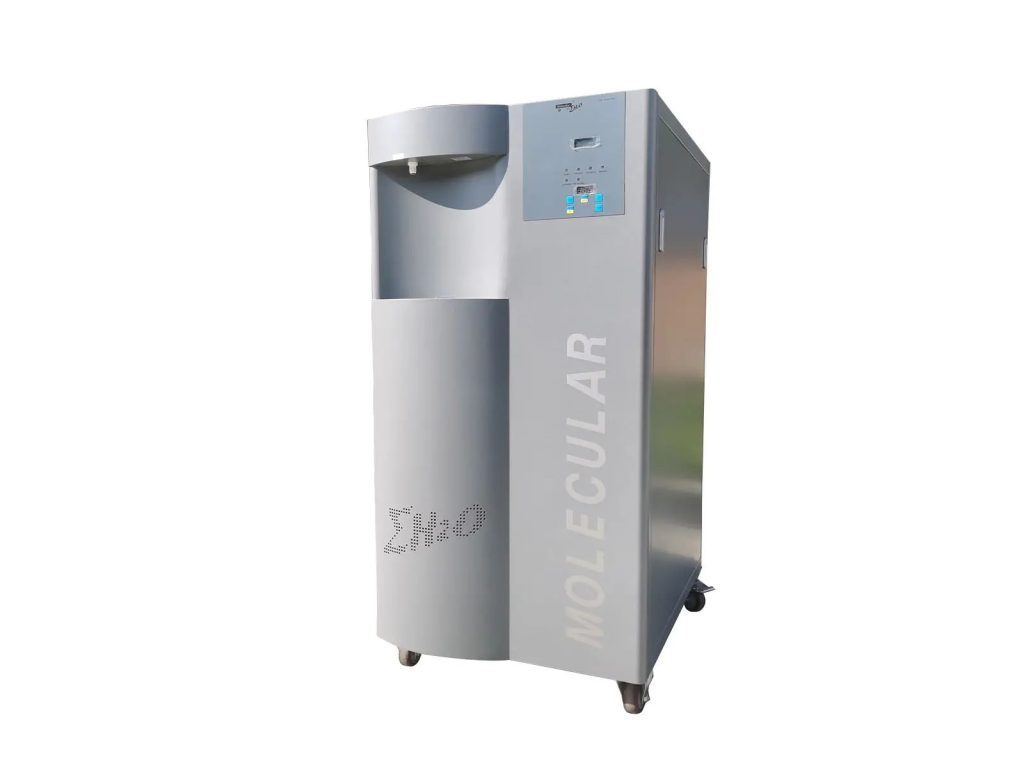
So how do you bring medical-grade dialysis water into a home? That is precisely the problem a portable hemodialysis water purification system is designed to solve. These small systems do not require a plumbing room and professional technicians but are immediately connected to a faucet in a residence and provide filtered water on demand functioning smoothly with a single hemodialysis machine.
The Power of a Portable Reverse Osmosis System
The heart of the system is a two-stage reverse osmosis process, supplemented with a multi-layer pre-treatment:
- Two-stage RO membrane filtration: The dual-stage RO process offers several barriers to dissolved salts, bacteria, endotoxins and organic pollutants, to assist achieve the water purity required for dialysis. Desalination rate > 99% and meets the standard of water purity of clinical-grade.
- Comprehensive pre-treatment: Upstream PP sediment cartridges, activated carbon filters remove residual chlorine, sediment and colloids before the water arrives to the RO membranes, protecting membrane life and providing stable output quality.
- On-demand, real-time purity: The system generates filtered water continually as needed, eliminating the requirement for storage tanks and the risks of contamination associated with stagnant water.
Hospital-Grade vs. Home-Friendly: What’s the Difference?
Traditional hemodialysis water systems were designed for the facility. These are massive stationary setups which are meant to treat numerous patients concurrently. They need special chambers, complicated piping and continuous upkeep by expert engineers. That model doesn’t work for a single patient handling treatment at home.
And portable systems turn the model on its head.. Here’s how they compare:
Comparison Table
| Feature | Traditional Hospital Water System | Portable Hemodialysis Water Treatment Machine |
| Footprint & Mobility | Requires a dedicated large room; fixed in place | Compact design; equipped with silent wheels for easy room-to-room movement |
| Installation & Operation | Complex plumbing; requires specialized technicians | Quick installation; easy operation designed for patients and caregivers |
| Noise Level | High industrial noise | Low running noise, ensuring a peaceful home environment and better rest |
| Target User | Dozens of patients simultaneously | Perfect for single-person use (home, ICU, or emergency room) |
Essential Checklist for Choosing a Home Hemodialysis Water System
Selecting a system doesn’t have to be daunting with the appropriate information. Here are a few crucial items to consider when looking for a portable home hemodialysis water treatment system:
- Automatic cleaning capability: Select programmed automatic flushing cycles . This keeps the system clean between sessions and doesn’t require any human maintenance on a daily basis. This is a key feature for patients or caregivers juggling many chores at the same time.
- Water quality compliance features: Ensure the system with UV light sterilizing and heat disinfection functions. These functionalities provide continual microbiological safety and are a clear demonstration of medical-grade engineering.
- Adaptability to local water conditions: Tap water quality differs greatly from one place to another. The system should be good enough to allow for an external water softener installation for high hardness or high mineral content areas so that the purifying performance is not affected by source water quality.
Get Your Time and Comfort Back with the Right Technology

Home hemodialysis is not a compromise anymore. It’s a real boost in quality of life with the correct equipment in place. Water treatment is the aspect of the setup that is often disregarded, yet it’s the foundation that makes safe dialysis at home possible.
For over 23 years Molewater has been designing and manufacturing medical grade water treatment products that are used in hospitals, ICUs and in home care. We bring that experience right to the house with our portable hemodialysis water treatment system, compact, quiet and intended for real patients and real caregivers. If you’re exploring home hemodialysis options, contact us and discover the ideal fit for you.