

You turn on the tap, watch the crystal-clear water fill your glass, and take a refreshing sip. If you have a Reverse Osmosis (RO) system installed in your home, you probably feel a sense of security knowing that your water has passed through one of the most advanced filtration technologies available.
But then, you stumble upon an online forum or a social media post warning that RO water is “dead water” because it lacks minerals, or that its slightly acidic nature can harm your body. Suddenly, that refreshing glass of water comes with a side of anxiety.
Is RO water safe to drink long-term, or are you unintentionally compromising your health in the pursuit of purity?
Let’s look past the marketing hype and the internet scare tactics. By examining the actual science behind reverse osmosis, we can determine exactly what it does to your water and your body.
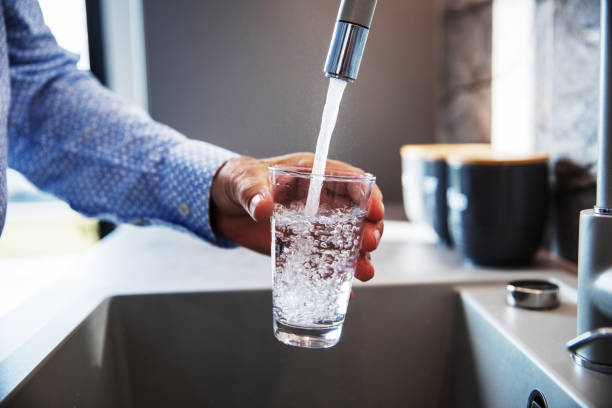
Is RO Water Safe to Drink?
Yes, RO (Reverse Osmosis) water is entirely safe and highly reliable for daily drinking. It is exceptionally effective at removing up to 99% of dangerous tap water contaminants, including lead, arsenic, and microplastics. While the filtration process also removes beneficial minerals like calcium and magnesium, this deficiency can be easily managed through your regular diet or a simple remineralization process.
Is Reverse Osmosis Water Healthy? The Balanced Answer
To understand whether RO water is healthy, we first need to separate the concept of safety from the concept of nutritional value.
From a safety perspective, RO water is a gold standard. If your primary goal is to ensure your family isn’t ingesting heavy metals, industrial chemicals, or biological pathogens, RO water is incredibly healthy because it eliminates these severe health risks.
From a nutritional perspective, RO water is essentially a blank slate. The same tight membrane that blocks toxic chemicals also blocks benign minerals.
Therefore, calling RO water “unhealthy” is a significant exaggeration. It is cleaner than almost any other water you can find, but it doesn’t offer the minor nutritional boost that natural spring water does. Whether that trade-off matters depends entirely on what else you consume throughout the day.
The Benefits: Why RO Water is Incredibly Safe
The primary reason millions of households switch to reverse osmosis is simple: peace of mind. Municipal water treatment plants do an excellent job of making water biologically safe, but aging infrastructure and emerging contaminants mean that what comes out of your tap isn’t always perfect.
Here is exactly what an RO system protects you from:
1. Removal of Heavy Metals and Toxins
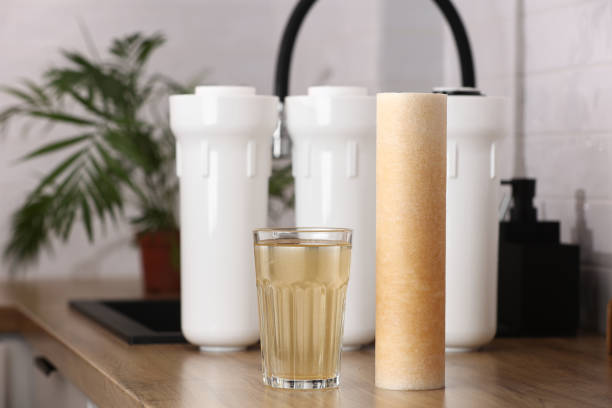
Heavy metals like lead and arsenic cannot be seen, tasted, or smelled, yet long-term exposure can lead to severe neurological and kidney issues. According to the Environmental Protection Agency (EPA), there is no safe level of lead exposure. An RO system uses a semi-permeable membrane with microscopic pores that physically block these heavy metals, ensuring your drinking water remains safe even if your neighborhood has aging pipes.
2. Elimination of Microplastics and Forever Chemicals
In recent years, scientists have consistently detected microplastics and Per- and Polyfluoroalkyl Substances (PFAS)often called “forever chemicals” in public water supplies worldwide. Because these synthetic compounds break down incredibly slowly, they accumulate in the human body over time. Standard carbon pitchers often fail to catch these tiny particles, but the multi-stage filtration of an RO system successfully traps them.
3. Better Taste and Odor
If your tap water smells like a swimming pool, that is due to chlorine or chloramines used by cities to kill bacteria. While necessary for sanitation, chlorine alters the taste of your water, coffee, and cooked meals. RO systems utilize carbon pre-filters to strip away these chemical odors, leaving you with water that tastes remarkably crisp and clean.
The Concerns: What Are the Side Effects of RO Water?
If reverse osmosis is so effective, why is there an ongoing debate about its health impact? The skepticism generally stems from two specific characteristics of the filtration process.
Do RO Systems Remove Essential Minerals?
Yes, they do. The pores of an RO membrane are roughly 0.0001 microns in size. For context, a strand of human hair is about 70 microns wide. This tight weave catches everything, including dissolved ions of calcium, magnesium, and potassium.
Critics argue that stripping these minerals turns the water into a nutritional void. The World Health Organization (WHO) has published papers discussing the potential health risks of consuming demineralized water over long periods, noting that it may not optimally hydrate the body at a cellular level compared to mineral-rich water. However, this concern comes with a massive caveat that we will address shortly.
The Truth About RO Water pH Level and Acidity
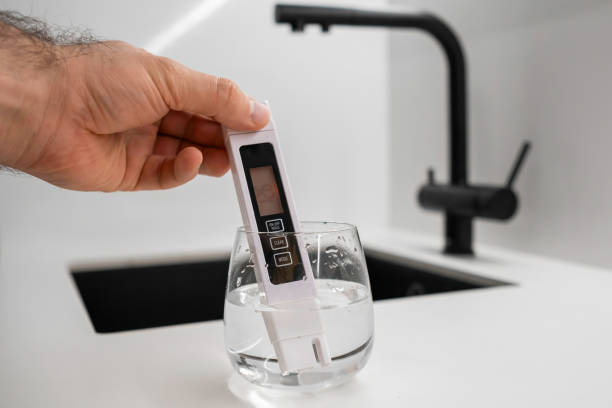
When water passes through an RO membrane, it loses its mineral buffers. When this highly pure water comes into contact with the air, it quickly absorbs carbon dioxide ($CO_2$), creating a very weak carbonic acid.
As a result, the pH level of RO water typically drops from a neutral 7.0 down to a slightly acidic range of 6.0 to 6.5.
Alarmists online claim that drinking acidic water creates an “acidic environment” in your body, which they link to various chronic illnesses. From a medical standpoint, this claim is entirely false. Your stomach acid is incredibly potent, with a pH of around 1.5 to 3.5. The moment a glass of slightly acidic RO water hits your stomach, its pH is completely irrelevant. Furthermore, your kidneys and lungs constantly regulate your blood pH within a strict, healthy range, completely unaffected by the water you drink.
Myth Busting: Does Drinking RO Water Cause Mineral Deficiency?
Let’s address the single biggest fear surrounding this topic: Will drinking RO water cause your teeth to decay or your bones to become brittle due to mineral loss?
The short answer is no, provided you maintain a standard, balanced diet.
The misconception lies in how we view water as a source of nutrition. Human beings are not like plants; we do not rely on water to absorb our primary daily minerals.
To put things into perspective, consider the amount of calcium your body needs daily versus what is found in a standard glass of tap water. If you were to rely solely on tap water to meet your daily recommended intake of calcium and magnesium, you would need to drink dozens of gallons of water every single day.
| Mineral | Average Content in 1L Tap Water | Daily Recommended Intake for Adults | Better Dietary Source |
| Calcium | ~30 mg | 1,000 mg | 1 glass of milk (~300 mg) |
| Magnesium | ~10 mg | 400 mg | A handful of almonds (~80 mg) |
As the data illustrates, a single serving of dairy, nuts, or dark leafy greens provides vastly more essential minerals than an entire day’s worth of tap water. If you are eating a reasonably healthy diet, your body will never notice the missing minerals in your RO water. The only scenario where demineralized water poses a genuine risk of mineral deficiency is in regions where widespread malnutrition is already a critical issue.

How to Make RO Water Healthier: 3 Actionable Solutions
If you love the absolute purity of reverse osmosis but still want the benefits, taste, and pH balance of natural spring water, you do not have to choose one over the other. You can easily optimize your water using a few practical steps.
1. Install a Remineralization Filter
This is the most convenient, set-it-and-forget-it solution. Most modern under-sink RO systems either come with or can be retrofitted with a post-filtration remineralization cartridge. After the water is completely stripped of contaminants, it passes through this final filter, which slowly reintroduces controlled amounts of natural calcium, magnesium, and potassium ions. This restores the water’s natural alkaline pH and gives it a smoother, sweeter taste.
2. Use Trace Mineral Drops
If you already have an RO system or use a countertop unit without space for an extra filter, you can manually add mineral drops to your water pitcher. These liquid supplements contain highly concentrated, food-grade trace minerals harvested from natural mineral springs. A few drops per gallon will instantly elevate your water’s electrolyte profile.
3. Add a Pinch of Himalayan Pink Salt
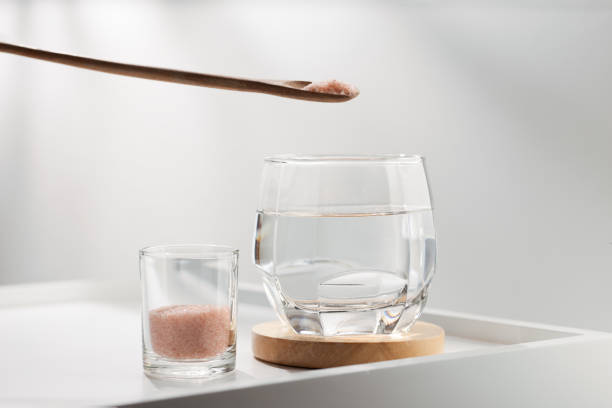
For a budget-friendly DIY alternative, you can add a tiny pinch of unrefined Himalayan pink salt or Celtic sea salt to a large pitcher of RO water. Because these unrefined salts contain dozens of trace elements, they will re-introduce beneficial minerals and raise the pH level. Don’t worry, adding just a tiny pinch will not make the water taste salty, but it will improve its hydration properties.
Conclusion: Should You Choose Reverse Osmosis?
When deciding if RO water is right for your home, the choice comes down to a balance of priorities.
If you live in an area with a pristine, well-monitored natural water supply, a basic carbon filter to improve taste might be all you need. However, if you are concerned about municipal chemical additives, agricultural runoff, heavy metals from old city plumbing, or modern contaminants like microplastics, reverse osmosis remains one of the safest investments you can make for your household health.
The missing minerals are an easily solved footnote in an otherwise stellar safety profile. By pairing your RO system with a remineralization filter or maintaining a nutrient-dense diet, you get the absolute best of both worlds: water that is undeniably pure, perfectly balanced, and completely safe to enjoy with every single glass.
FAQs
Is RO water safe for babies and infant formula?
Yes, RO water is highly recommended for preparing infant formula. Infants have developing kidneys that can be easily overwhelmed by excess minerals or impurities. By using RO water, you ensure that you are not introducing unwanted elements like fluoride, nitrates, or lead into their sensitive systems. The baby will receive all necessary nutrients from the formula itself.
Does boiling RO water add minerals back?
No. Boiling water simply kills biological pathogens like bacteria or viruses. Because RO water is already free of these biological threats, boiling it will change nothing. It cannot create minerals out of nothing; it will simply leave you with hot, purified water.
Can I drink RO water every single day?
Absolutely. Millions of people worldwide rely on reverse osmosis systems as their exclusive source of daily drinking water. As long as you are eating a normal diet that includes vegetables, fruits, grains, and proteins, drinking RO water every day will not cause any adverse health effects.