News
Categories
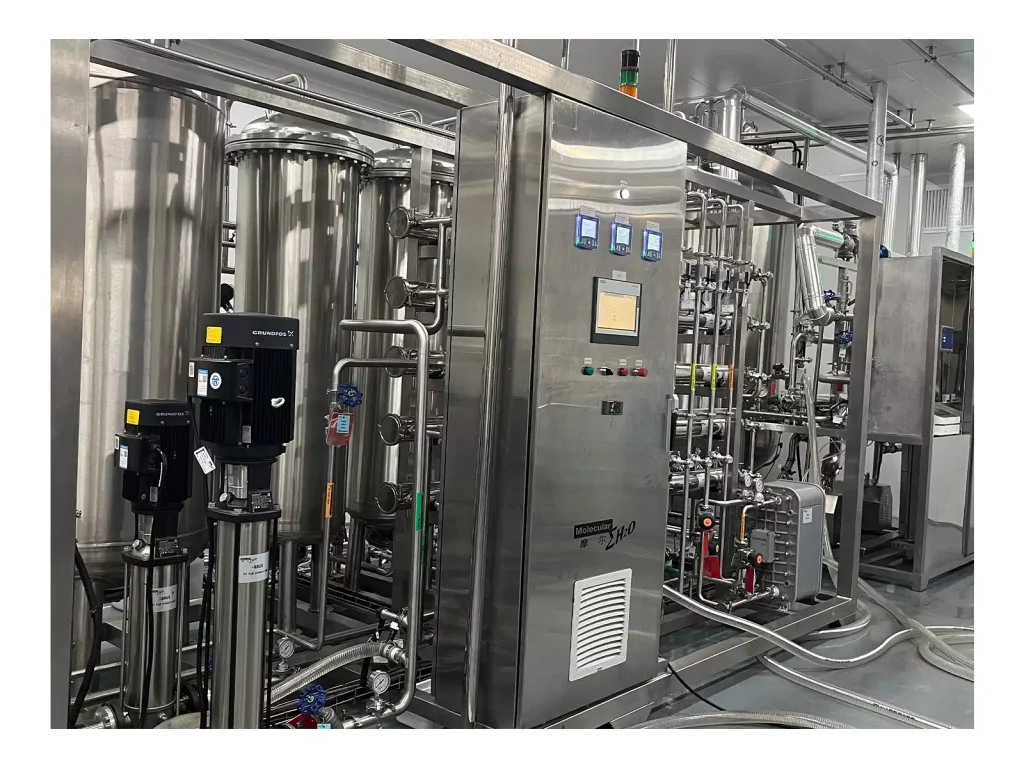
From Raw Water to Purified Water: Key Steps in Pharmaceutical Water Treatment
Water touches nearly every stage of drug manufacturing — as an ingredient, a cleaning agent, and a solvent for injectable…
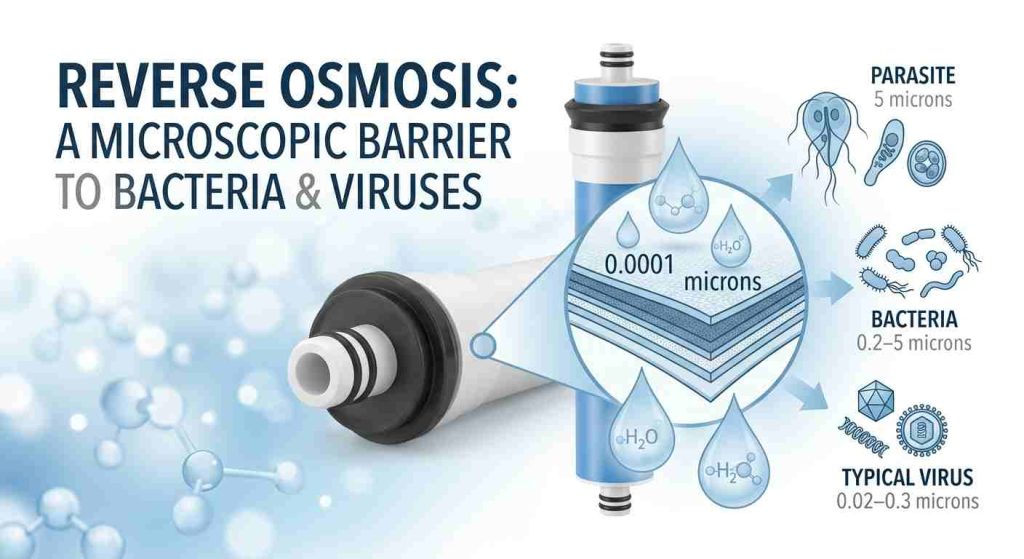
Does a Reverse Osmosis System Remove Bacteria and Viruses?
Clear water does not always mean safe water. Tap water and well water may contain bacteria, viruses, and other microorganisms…
Industrial Water Testing: Which Parameters Matter Before Choosing a Treatment System?
A treatment system can look great on paper, but it can still give you problems once it gets into the…
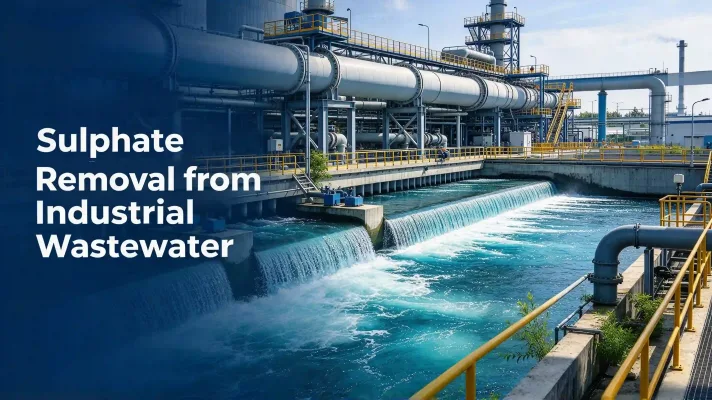
Which Technologies Are Best for Sulphate Removal from Industrial Wastewater?
Sulphate is commonly found in industrial wastewater from industries such as mining, mineral processing, chemical manufacturing, and metal production. It…
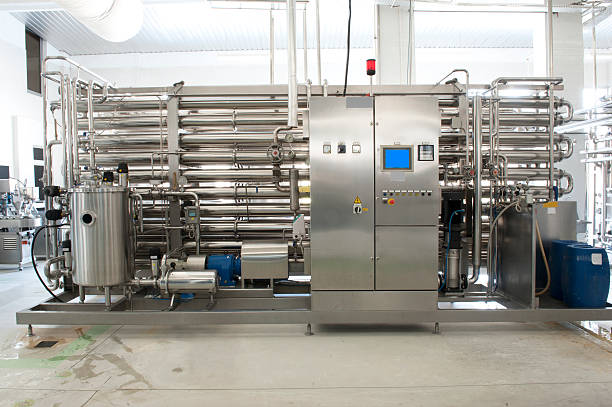
What Is RO Recovery Rate? How to Calculate It for Industrial Water Treatment
If you own an industrial RO system you have likely looked at the drain pipe and wondered how much good water…

RO Reject Water: Can It Be Reused Instead of Discharged?
Each reverse osmosis unit produces two streams which are clean permeate as well as an unrefined leftover, known as reject…
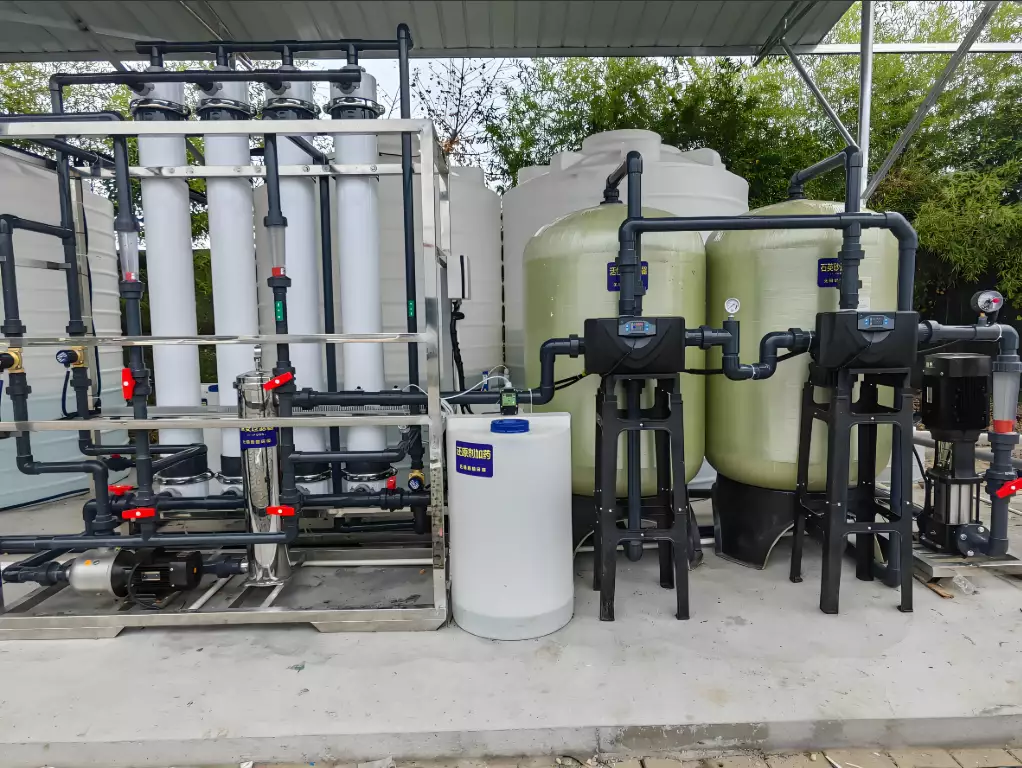
Why Can’t Treated Wastewater Be Reused Directly? Key Considerations for Industrial Water Reuse
Water scarcity is an increasing concern for businesses around the world, and many facilities are asking a practical question: since…
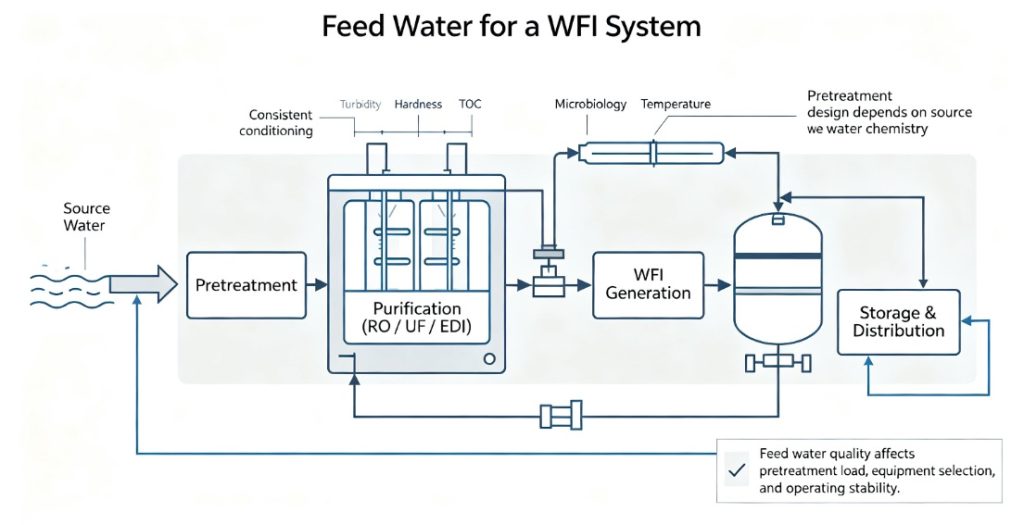
What Is the Best Feed Water for a WFI System?
The best feed water for a Water for Injection (WFI) system is not necessarily the purest water available. In most…
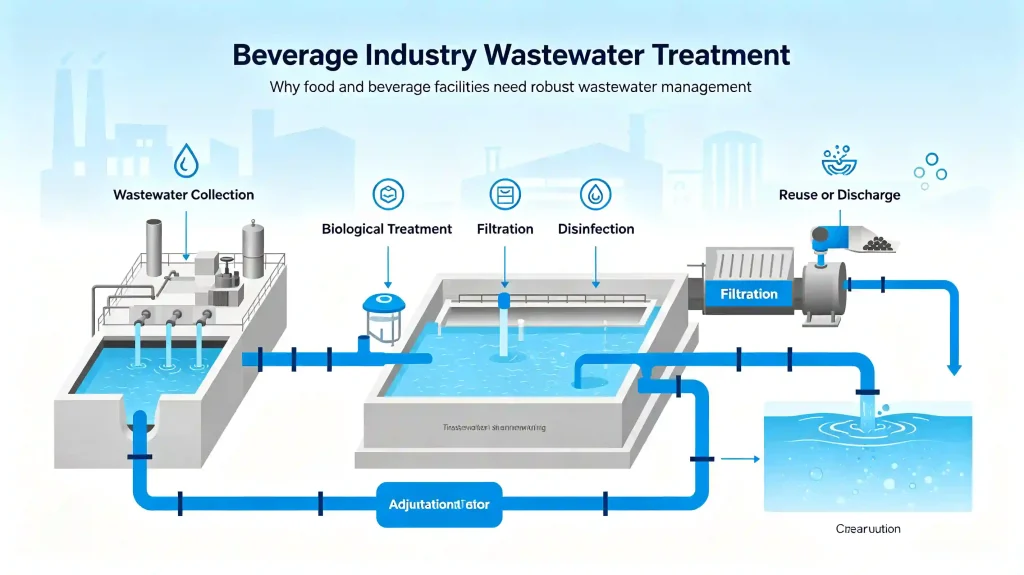
Why Do Beverage Plants Have Such Strict Water Quality Requirements?
Water may be the most overlooked ingredient in a beverage, even though it often makes up more than 85% of…
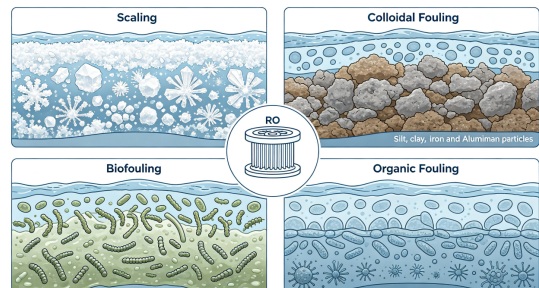
What Causes Seawater RO Membrane Fouling?
If your seawater reverse osmosis system is showing rising differential pressure, declining normalized flux, or a slow drop in permeate…