Your water treatment system is running, but the water still doesn’t taste or smell right. You may notice a faint chemical smell, a metallic taste, or a musty odor that wasn’t there before. This can be frustrating, especially when the treatment equipment itself appears to be working normally.
Water treatment doesn’t necessarily guarantee it will taste or smell pleasant. Taste and odor might have several sources and no single treatment process will remove all of them from treated water. In this article, we’ll talk about 5 common reasons why your treated water still tastes or smells terrible, and how to handle this problem in an organized way.
What Does the Taste or Odor Tell You
It helps to pay attention to the symptom itself before we go farther. The kind of smell in the water, or flavor you are detecting, can provide you a helpful clue early on:
- Chlorine-like or chemical smell: Residual disinfectant left over from the treatment process
- Rotten-egg odor: Often associated with hydrogen sulfide or other sulfur compounds in the source water
- Metallic taste: Commonly linked to high levels of iron or manganese
- Musty or earthy taste: This may be due to organic substances, byproducts of algae, or growth of bio film
- Stale smell: Often linked to water lying in storage tanks or distribution pipes
These are starting points, not conclusions. Your first sign is the scent or taste, but you have to examine and investigate a bit to be sure of what is really going on.
5 Common Reasons Your Treated Water Still Tastes or Smells Bad
1. Chlorine Is Still in the Water
Chlorination is a usual and pretty effective way of disinfection, and it is common practice to keep a certain residual chlorine level in distribution systems , so the water stays microbiologically safe while it moves to people. Still, that same leftover chlorine can leave a sharp chemical vibe , or even a swimming-pool like taste, that a lot of people really dislike.
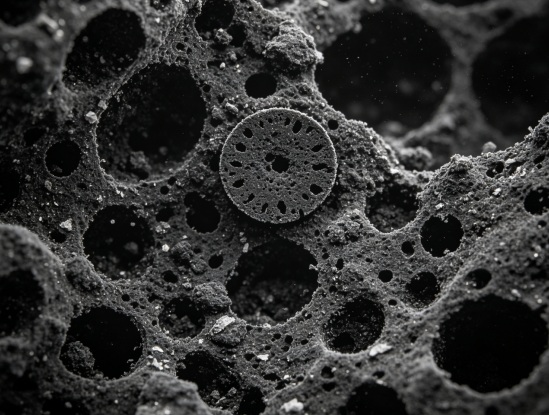
Activated carbon is often used to knock down residual chlorine and also several organic compounds that create taste and odor. But if the carbon media is already exhausted, or the contact time is too short, chlorine (and other contaminants) might slip through , without being properly reduced.
2. The Treatment Doesn’t Match the Problem
This is probably the most common mistake we find. The treatment system is doing what it was supposed to do, it just wasn’t designed for this particular condition. Different contaminants require different treatment procedures, and no matter how good a filter is, running water via the wrong kind will not work.
- Sediment or multimedia filtration: Filters suspended particles and turbidity; minimal to no impact on flavor or odor
- Activated carbon filtration: Suitable for chlorine, certain organic chemicals and general odors
- Reverse osmosis (RO): Works well for dissolved salts and many dissolved pollutants but should not be assumed to be the answer to every taste or odor problem.
It’s about matching the therapy to the real contaminant. The best method to make that call is with a water quality test.
3. The Problem Starts After Treatment
Sometimes the treatment system is performing correctly, but the problem develops downstream. Storage tanks, distribution pipes, hoses, and other contact surfaces all have the potential to affect water quality after it leaves the treatment unit.
Stale or musty smells are often the result of stagnant water lying in a tank or a pipe run that’s not cleansed regularly. Badly maintained fittings, or materials that leak compounds into the water, can bring flavor concerns that have nothing to do with the filtration step at all.
4. The System Needs Maintenance
If the treated water smells bad after treatment, evaluate the essentials before concluding the process design is at fault:
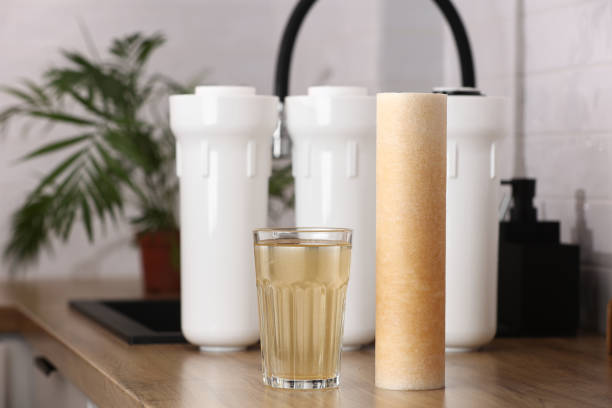
- Activated carbon service life: Carbon has a finite adsorption capacity. Once it is depleted, it no longer removes odor-causing substances. The problem returns no matter what else you do.
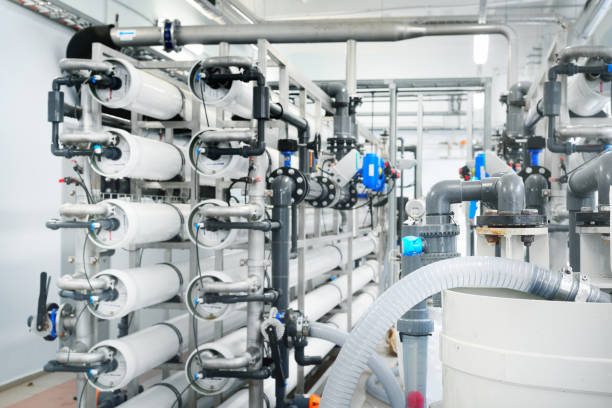
- Poorly maintained treatment equipment: Fouled filters, exhausted media, improperly maintained dosing equipment, or neglected membrane systems can all affect treated-water quality.
- Filter replacement schedule: Filter replacement should be based on the media type, water quality, flow rate, operating conditions, and the manufacturer’s recommended service interval. Relying only on a fixed calendar schedule can sometimes lead to premature replacement or allow media to remain in service after its effective capacity has been reached.
- Sanitization of RO and downstream equipment: This is an easy step to forget when operators are mostly focused on filter cartridge changeout, but it is important, especially for storage tanks and post-treatment pipes.
5. The Water Source Has Changed
Raw water quality is not fixed. It changes with the seasons, heavy rain, algae blooms or even changes in how the water supply network is operated. A system that has been supplying clean-tasting water for years can start to have taste and odor problems just because the source water is different than what the treatment process was originally designed around.
If you have a new problem that you didn’t have before, a smart place to start is to compare current raw-water test findings with historical data. If the source has changed substantially, the treatment process may need to be reviewed to make sure it still matches the current water quality.
How Can You Find the Source of the Problem
Structured approach takes a lot of guess work out. So, here’s a simple approach to get through it:
Step 1: Describe the taste or odor.
Metallic, earthy, rotten egg, stale, or chlorine? The nature of the problem helps to focus the search.
Step 2: Note when and where it happens.
Right after treatment, only after storage, from one specific outlet, or when the system hasn’t run for a while? Timing and location are useful data points.
Step 3: Check the treatment system.
Review the history of filter replacement. Assess condition of the activated carbon. Check RO working performance. Inspect storage tanks and pipelines for cleanliness.
Step 4: Test the water.
Don’t rely on taste and scent. Test relevant parameters. Compare treated-water results with raw-water results when possible. This is the best technique to find out what is really in the water.
What Should You Do Next
Once you have a clearer picture, here’s a general direction for each scenario:
| What You Notice | What to Check First | Possible Treatment Direction |
| Strong chlorine taste or smell | Residual chlorine, carbon filter condition | Activated carbon filtration |
| Rotten-egg smell | Hydrogen sulfide, raw-water quality | Aeration, oxidation, targeted filtration |
| Metallic or earthy taste | Iron and manganese levels | Oxidation and filtration |
| Musty or stale smell after storage | Storage tank, pipes, stagnant water | Cleaning, sanitization, system inspection |
| Odor returns after filter replacement | Whether treatment targets the actual cause | Reassess water quality and treatment process |
Note: The correct treatment depends on raw-water quality, the pollutant and the architecture of the entire system. There is not one-size-fits-all solution.
Final Thoughts
Taste and odor problems in treated waters are seldom straightforward, but they are typically traceable. The trick is to not leap straight to changing components but to consider the symptom as a signal and follow it systematically via the source water, treatment process, downstream storage and distribution.
These are the kinds of issues Molewater helps customers troubleshoot when treated water continues to have taste or odor problems. With more than 20 years of experience in water treatment for pharmaceutical, industrial, and drinking water applications, we can help assess your existing system and identify a practical way forward. Contact us to discuss your project.