Water is the most used ingredient in food and beverage manufacturing and for many plants it is also the most ignored. Water is involved in almost every phase of your operation, whether you are making bottled drinks, dairy products, canned items or packaged snacks. But water treatment in the food industry tends to gain attention only when something goes wrong.
This article explains why food and beverage manufacturers are paying closer attention to their water treatment systems, how water quality affects daily production, and what practical steps plants can take to improve performance.
Why Water Treatment Matters More Than Ever
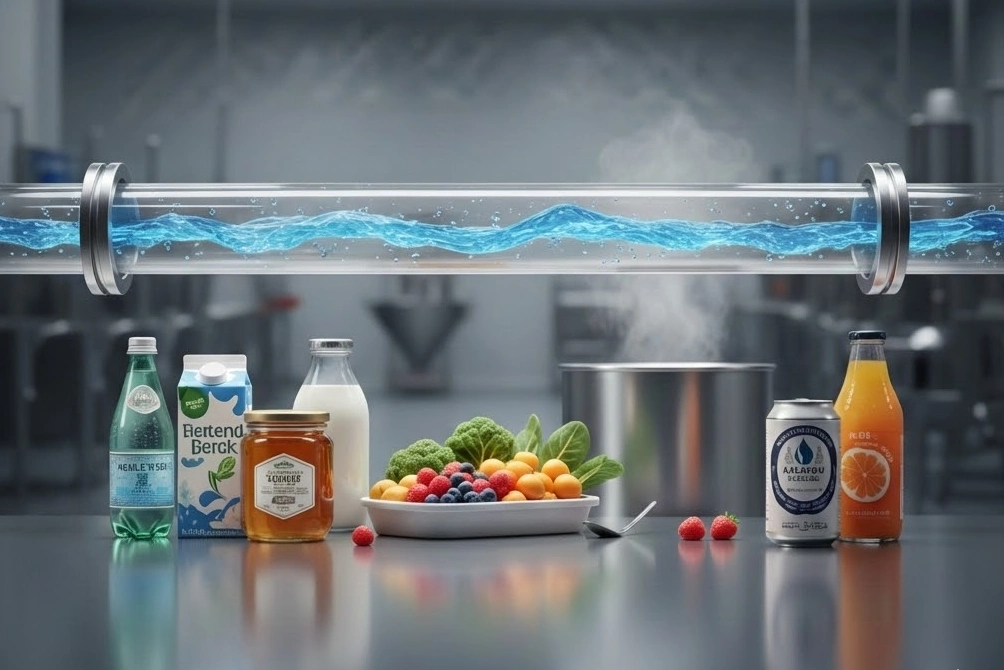
Water management in food production has become a core operational priority. This change is being driven by a few things happening at once.
Water quality directly affects product consistency. Mineral content, pH, hardness and microbial load influence the taste or appearance of the completed product and the behaviour of additives. Sometimes a batch that works differently from the last is a water problem in disguise.
Regulations and customer expectations continue to rise. Food safety frameworks like the U.S. FDA’s Food Safety Modernization Act (FSMA) increasingly require documented control of water quality at multiple points in food production. Buyers and auditors are asking more thorough questions now than they did five years ago.
Water costs and wastewater disposal are becoming more expensive. The cost of municipal water and costs for discharging waste based on pollution load have been rising significantly in many areas. A few years ago plants were satisfied with their water budgets. Today they are seeking ways to reduce water consumption and wastewater disposal costs.
Sustainability goals are influencing equipment upgrades. A large number of food corporations have openly pledged to water stewardship. These pledges are cascaded down to their manufacturing sites and require them to show measurable improvement, not simply good intentions.
Where Water Quality Matters in Food and Beverage Production
Not all water used in a food processing plant requires the same level of treatment. Each production phase has its own needs and recognizing these differences is the ideal place to start to improve water quality in food processing.
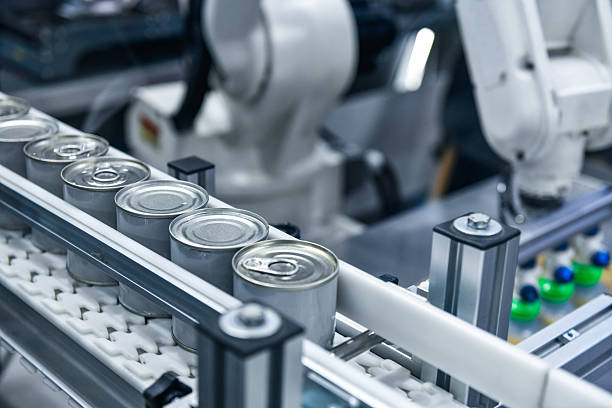
Ingredient and process water comes into direct contact with your product. This includes water used in mixing, where consistent water chemistry is required to ensure stable taste, texture and shelf life; beverage production, where even small shifts in mineral content can alter flavor profiles in ways that are hard to trace; and ingredient washing, where poor quality water can introduce contamination or carry-over odors into raw materials.
Cleaning and sanitation water does not go into the product, but it has a direct bearing on food safety. Water used for CIP systems, equipment washing, and final rinses should be low in hardness and of a microbiological quality appropriate to ensure successful cleaning and sanitation. Hard water can reduce the effectiveness of cleaning detergents, which can leave residues that can compromise hygiene and require more frequent sanitation cycles.
Utility water operates machinery on a daily basis. Scaling, corrosion and biological development can limit equipment life and sometimes cause unscheduled downtime. Hence, boiler feed water, cooling water and steam generating systems generally require dedicated water treatment.
Signs Your Water Treatment System May Be Falling Behind
Water treatment problems are seldom overnight. More often they build up gradually and by the time they are evident, some damage has already been done. A few things to keep an eye out for:
- If product quality varies and your team cannot attribute the variation to raw materials or formulation, it can be a sign of variability in source water or treatment performance.
- Membrane or equipment maintenance occurs more often than expected. This shows that pretreatment is not keeping up with current source water conditions.
- If your plant is consuming more water than expected, it may indicate that the current RO or filtration system has a low water recovery rate.
- Increasing wastewater treatment costs are generally accounted for by greater organic or suspended material loads that an aging system becomes less efficient at handling over time.
- If it is hard to fulfill revised discharge rules, that is a sure sign that the treatment system was built to previous regulatory standards and has not been modernized to keep up.
What Modern Water Treatment Systems Do Differently
Upgrading a water system is not simply about adding more equipment. It is about designing the whole system to work more intelligently, from intake to discharge.
Better Pretreatment for More Stable Operation
Good pretreatment protects everything down stream. By eliminating silt, organic matter and scale precursors before to the water reaching membranes or process points, downstream equipment can be protected, membrane life extended and unanticipated downtime reduced. In practice, plants that make the right investment in pretreatment stages tend to see a decline in downstream maintenance costs in the first year of operation.
Smarter Water Recovery and Reuse
The goal of modern food and beverage water treatment design is to recover useful water wherever production requirements and local restrictions allow. Where regulations allow, non-product-contact water streams can be treated and reused for utility applications, assisting in the recovery of suitable process water, reduction in freshwater consumption and operating expenses. Small increases in recovery rates add up to large amounts at production scale.
Easier Monitoring and Process Control
- Online water quality monitoring: Continuous tracking of parameters such as conductivity, turbidity and pH offers operators real-time visibility rather than periodic spot checks.
- Automated operation: Systems that react automatically to incoming water quality reduce the labor and the risk of human errors.
- Faster response to quality changes: Regular monitoring gives an early warning, enabling teams to take corrective action before an off-spec scenario reaches packing.
Why Wastewater Treatment Deserves Equal Attention
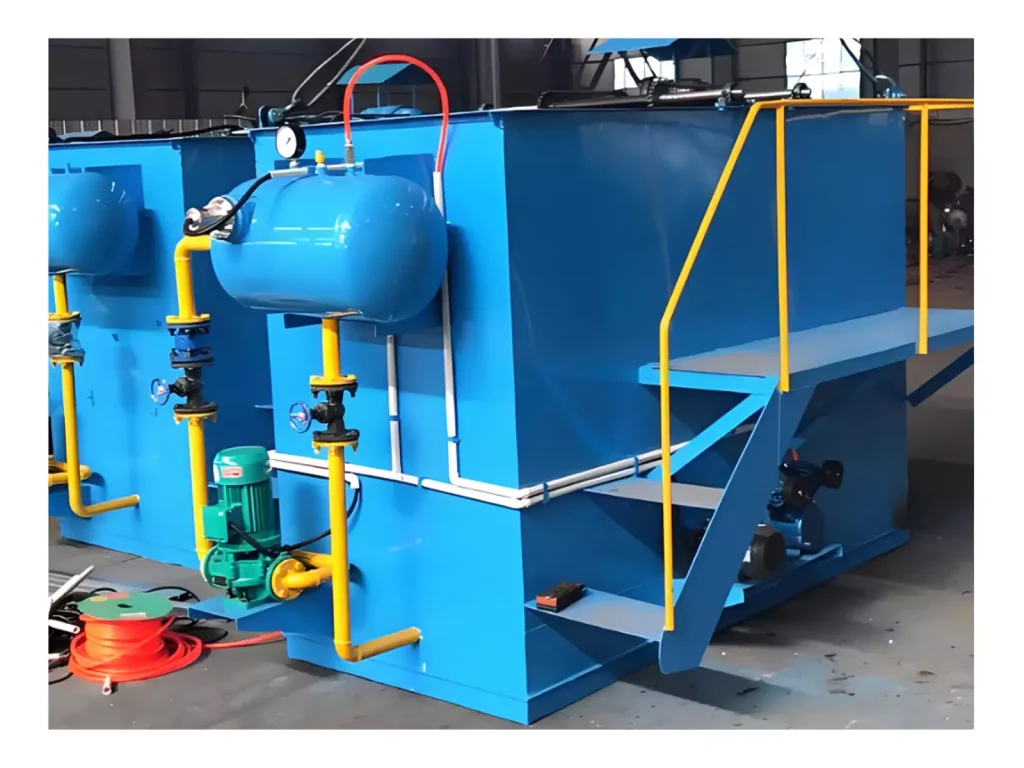
The treatment of food and beverage wastewater is frequently considered a separate concern from production water, but the two are actually two sides of the same management issue. As source water conditions and municipal regulations change, food processing wastewater, with its high organic contents, fats, sugars and residues of cleaning chemicals, may become increasingly challenging to meet discharge requirements.
Most facilities now anticipate to reduce the pollution load before discharge, not an optional bonus. In contrast, depending on local regulations and the intended application, some treated wastewater streams can be reused for non-product-contact purposes, such as cooling or utility applications.
By looking at the full water cycle, and not just at individual pieces of equipment, plants may manage their water in a more sustainable and cost-effective way over the long run.
Choosing an Upgrade That Fits Your Plant
There is no universal answer for how to improve water quality in food manufacturing, because every plant starts from a different place. A few considerations that consistently matter when scoping an upgrade:
1. Evaluate current water quality and production goals
What your source water looks like today, and what your product quality targets are, should drive the system design, not generic off-the-shelf specifications.
2. Consider future production expansion
What works today may become a bottleneck in two or three years. With some more preparation up-front, modular systems can scale without a full rebuild.
3. Balance operating costs with long-term savings
Lower capital cost equipment can carry higher energy and chemical running costs. Looking at total cost of ownership over five to ten years gives a more honest comparison than the initial price alone.
4. Design systems that are easier to maintain and scale
Complexity is not always a good thing. Systems that are easy to maintain and have accessible components save time and eliminate dependence on special service calls.
Final Thoughts
Most people don’t realize how complicated water purification is for food and beverage manufacturers. To meet changing production demands, legal constraints and environmental goals, it’s not enough to sometimes repair an existing system. If any of the above challenges sound like a problem you’re having, it may be time to take a proper look at how your firm manages water from intake right through to output.
Molewater has been involved in industrial water treatment projects for over 20 years including food and beverage facilities in many markets. If you want to talk through your current setup and what a better system might look like for your specific situation, get in touch with the Molewater team.