In the pharmaceutical industry, water has never been an “ordinary factor of production”. It runs through the entire process from raw material processing, product manufacturing, cleaning and disinfection to final discharge. Any problem in any of these links may bring quality risks or compliance hazards. Therefore, the reliability of water treatment systems is often directly related to the stable operation of pharmaceutical enterprises.
In recent years, with the continuous tightening of environmental protection regulations and the increasing complexity of pharmaceutical processes, the focus of enterprises on water treatment has also been changing. In the past, the focus might have been more on “whether it could be used”. Nowadays, more and more enterprises are beginning to consider: Is the system stable in the long term? Does it have expansion space? Can it cope with stricter emission requirements in the future?
It is precisely against this backdrop that choosing the right water treatment company becomes particularly important. This article will combine industry practice to help you sort out ten representative companies in the field of pharmaceutical water treatment.
1. Veolia Water Technologies
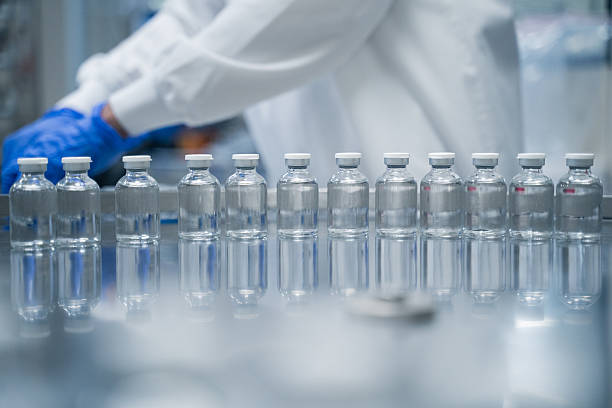
As a global leader in the water treatment industry, Veolia has accumulated profound technical expertise in the pharmaceutical field. Its core advantage lies in its ability to provide full-process solutions that comply with the requirements of pharmacopoeias of various countries, such as USP, EP, and ChP. Their system is renowned for its high integration and intelligence, which can effectively reduce energy and water consumption during long-term operation.
2. SUEZ Group
After being acquired by Solenis (Solenis), suez ‘s original water treatment technology strength remains solid. They are proficient in handling complex chemical components in pharmaceutical processes, especially in the preparation of ultrapure water and reverse osmosis membrane technology. Suez’s products are recognized as industry benchmarks and have been long-term partners of many large multinational pharmaceutical companies.
3. Evoqua Water Technologies
Evoqua (now part of Xylem) is particularly renowned in the pharmaceutical industry for its EDI (Electro-deionization) technology. This technology can produce high-quality deionized water without chemical regeneration. For pharmaceutical companies that pursue sustainable development and environmental emissions, the system design of Evoqua is often more flexible and occupies less space.
4. Pall Corporation
Pall’s strength lies in filtration and separation. In the downstream processing of pharmaceutical technology, Pall’s sterilization filtration and microfiltration systems are almost indispensable. They not only focus on water treatment, but also pay attention to the absolute sterility of water before it enters the biopharmaceutical reactor, meeting the high-standard production environment.
5. Aquatech International
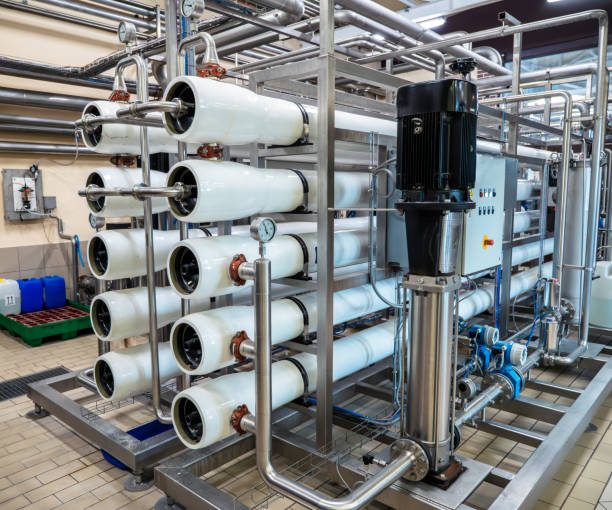
Aquatech enjoys a high reputation for treating highly difficult wastewater. As environmental regulations impose increasingly strict restrictions on pharmaceutical wastewater, especially that containing antibiotics or high-concentration organic matter, Aquat’s Zero Discharge (ZLD) technology has relieved a major concern for pharmaceutical factories.
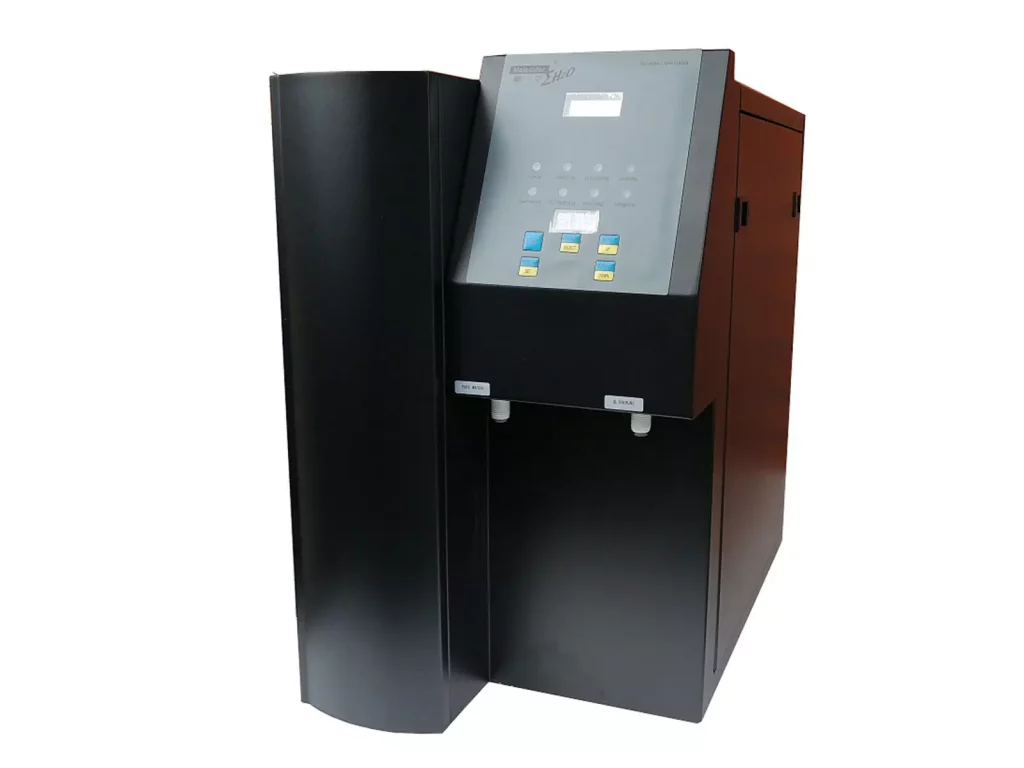
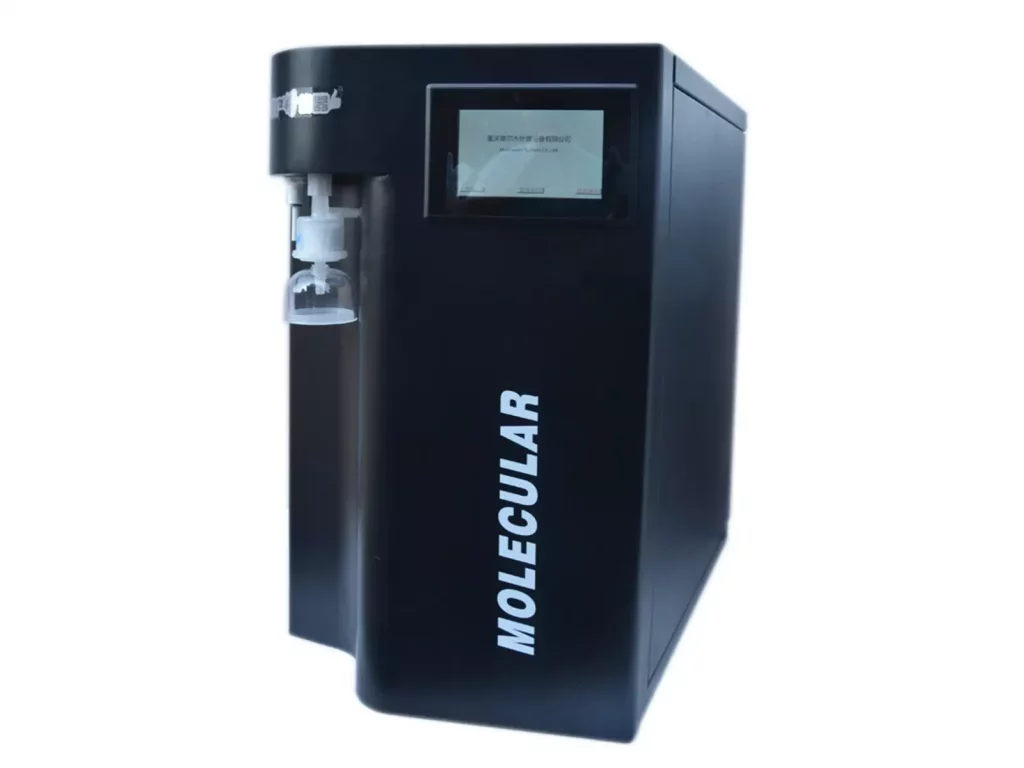
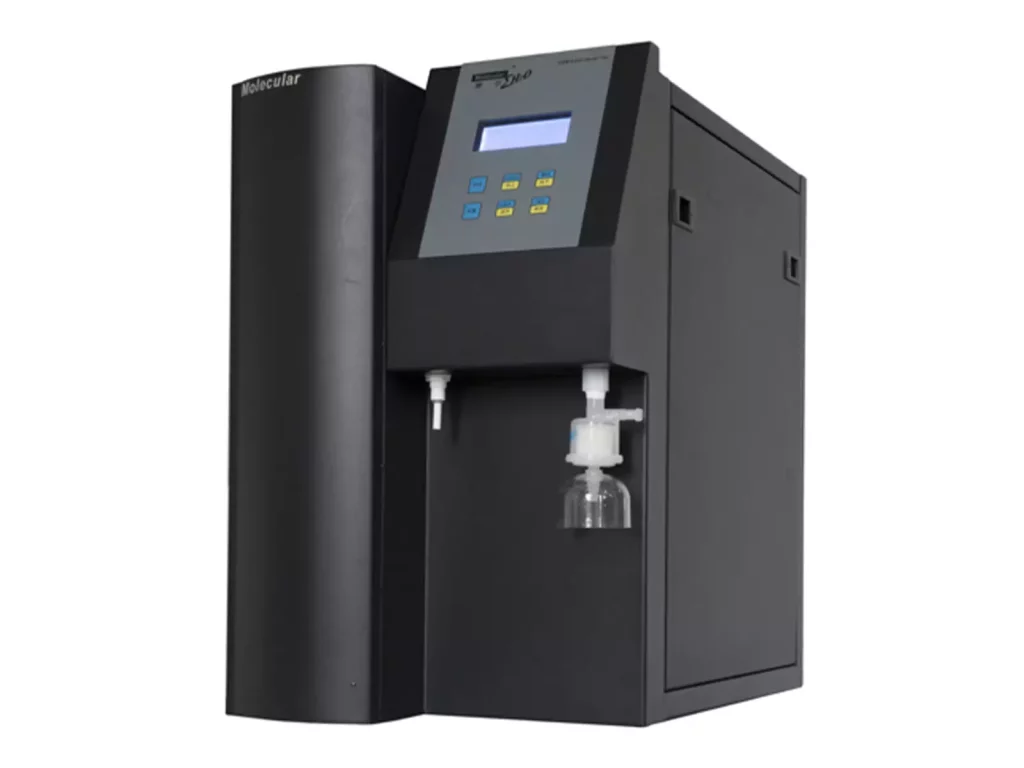
6. Molewater
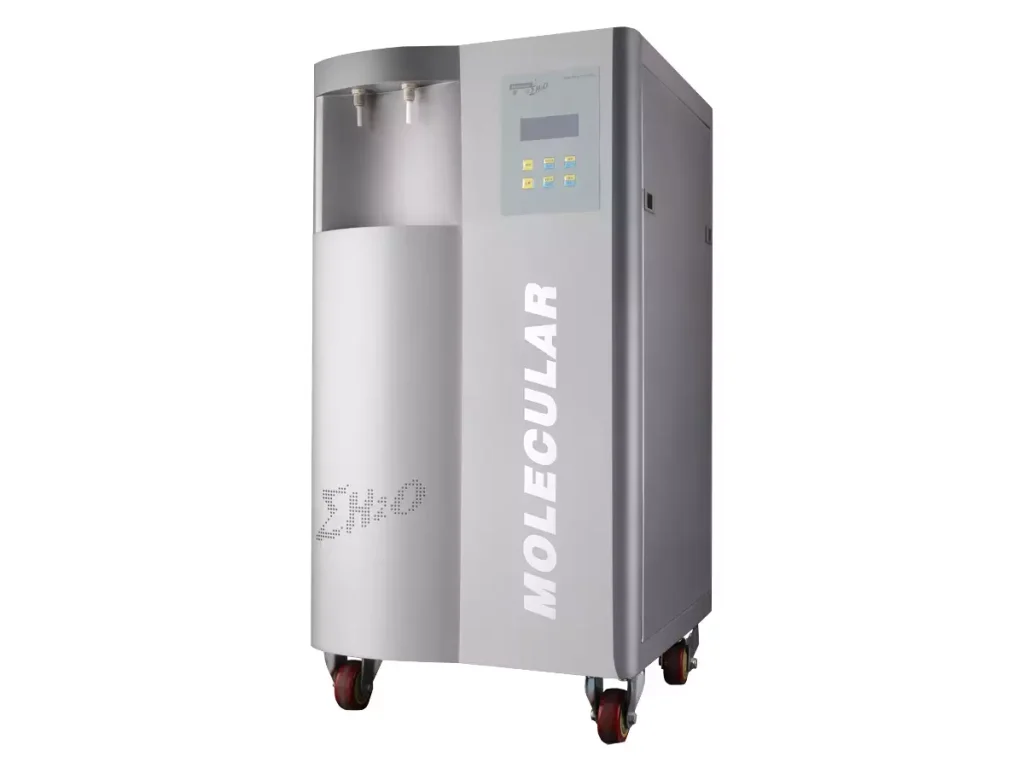
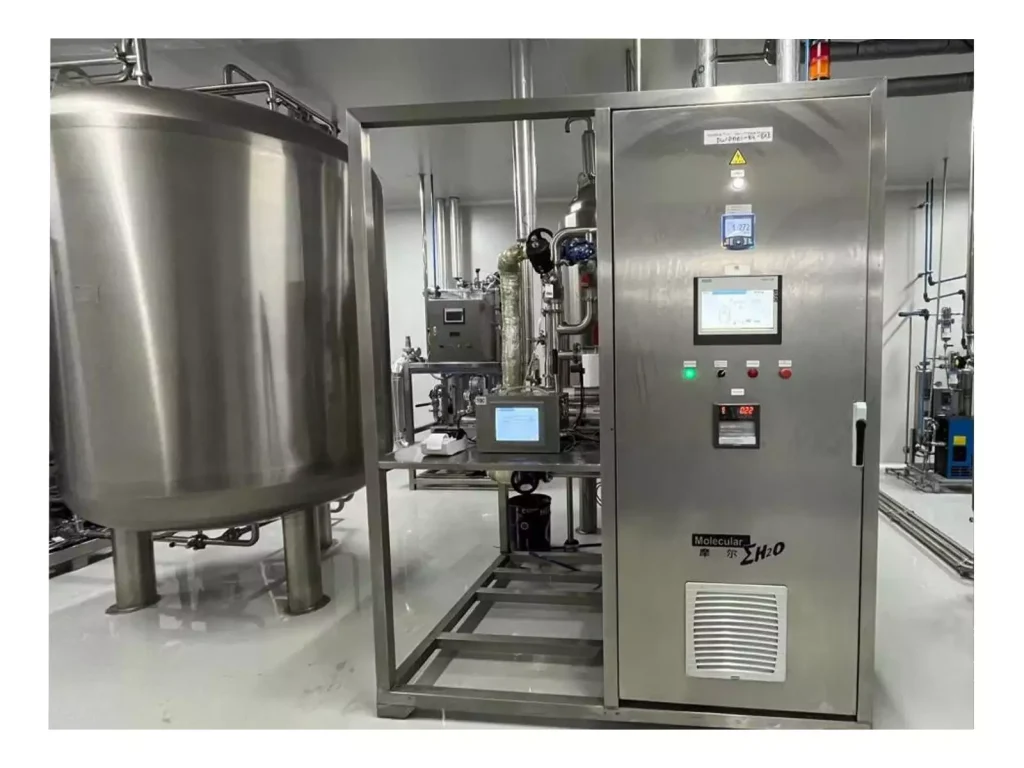
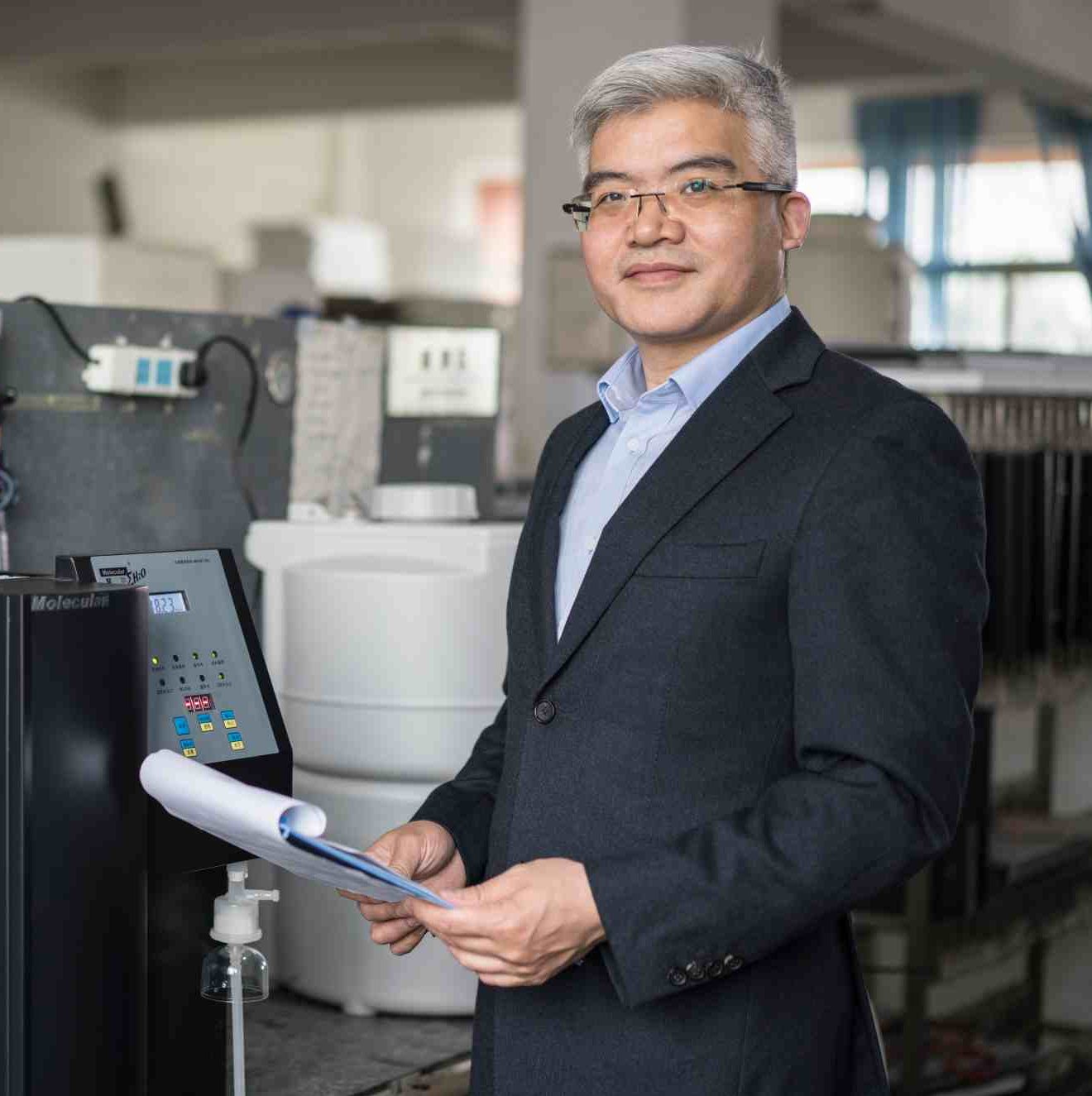
As a professional brand that has performed outstandingly in recent years, Moore Water Treatment focuses on the customization of medical high-purity water systems. They are closer to the user end and can provide highly cost-effective modular designs based on the specific needs of different pharmaceutical enterprises (such as the difference between laboratory scale and pilot scale), and have obvious advantages in response speed and service flexibility.
7. GEA Group
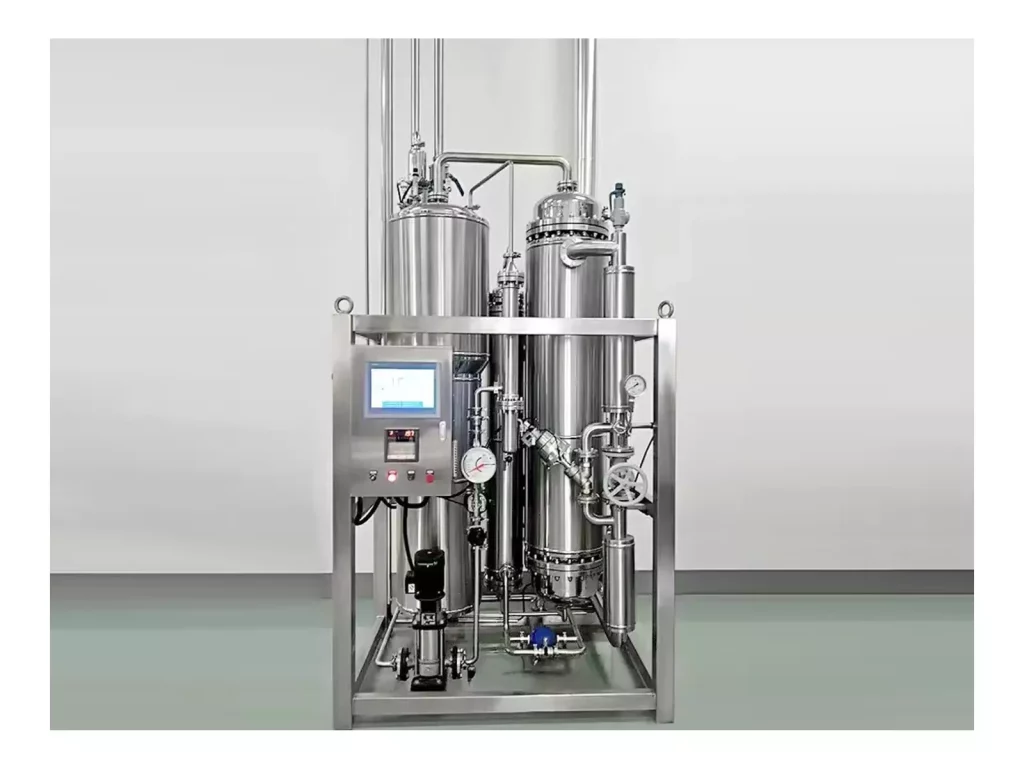
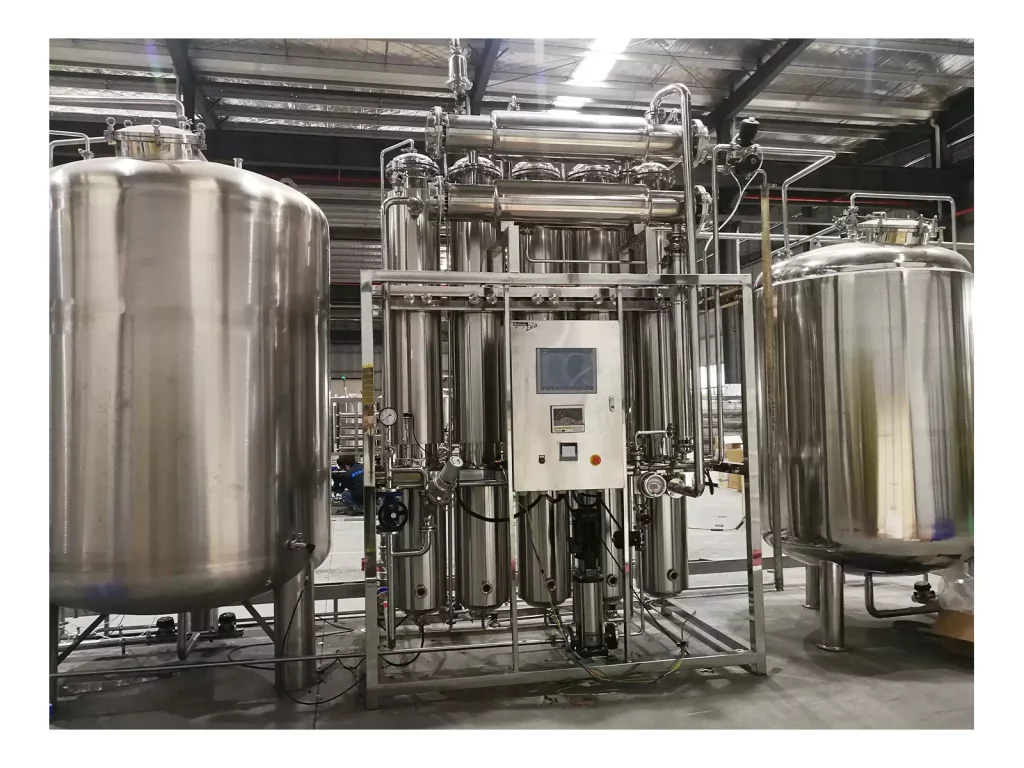
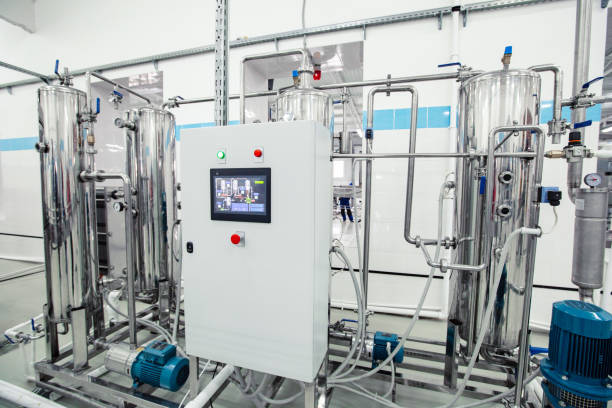
Although GEA is a comprehensive engineering group, it holds a leading position in the field of pharmaceutical distillation technology. For pharmaceutical companies that need to produce water for injection (WFI) on a large scale, GEA’s multi-effect distillation system and pure steam generator are the preferred choice to ensure compliance and production efficiency.
8. Kurita Water Industries
This Japanese enterprise has taken “refined management” to the extreme. Kurita not only provides equipment but also focuses on water treatment chemicals and monitoring systems. They can prevent scaling and corrosion in the cooling water system and boiler system through precise chemical agent application, thereby extending the service life of precision pharmaceutical equipment.
9. Lenntech
Lenntech is headquartered in the Netherlands and is renowned for its diverse designs and international perspective. They are highly skilled at integrating top components from different brands, such as membranes, pumps, and controllers, into an optimal system. For users with special process customization requirements, Lenntech can often provide more creative engineering solutions.
10. Ecolab/Nalco Water
Nalco, a subsidiary of Ecolab, focuses on water risk management in pharmaceutical factories. They do not only focus on “water quality”, but also on “water security”, such as Legionella prevention and control and biofilm detection. Through digital platforms, they can help pharmaceutical companies monitor the water resource utilization rate of the entire factory in real time.
How To Make a Choice Among The 10 Pharmaceutical Water Treatment Companies?
In the field of pharmaceutical water treatment, the truly effective way to make a choice is not to compare who is more comprehensive, but to first clarify what problem you most want to solve. When the goal is clear enough, the choice will become simpler instead.
- If you are a multinational pharmaceutical company or a large production base, and you are pursuing “one-stop” compliance and stability:
Veolia or Suez are your top choices. These two companies have the most comprehensive service networks and extremely high compliance credibility worldwide, and are capable of undertaking large-scale projects. They are reliable choices for reducing long-term compliance risks.
- If you focus on biopharmaceuticals or formulations and have extremely high requirements for water for injection (WFI) :
Please pay close attention to GEA Group. They are highly professional in multi-effect distillation technology. If your focus is on sterilization filtration downstream of the process, Pall Corporation is the core technical partner.
- If you are in pursuit of high cost performance and require a customized solution that responds quickly,
Molewater and Lenntech are excellent entry points. They are more flexible than the giants and can provide tailor-made solutions for small and medium-sized laboratories or pilot plants.
- If you are under strict environmental protection pressure and need to solve the problem of complex wastewater discharge:
The treatment processes of Aquatech International and Evoqua (EDI technology) (such as zero discharge or EDI technology) can effectively solve the problem of difficult drainage indicators.
- If you place more emphasis on digital operation and maintenance as well as the refined management of water throughout the entire plant
Ecolab or Kurita will be your ideal partners. They are more like water stewards, helping to enhance the economic value of every drop of water through digital platforms and potion optimization.
Why Molewater is a Balanced Choice?
From the above comparison, it is not difficult to find that although multinational giants (such as Veolia and BWT) have well-known brands, they are often accompanied by high premiums and standardized service templates. For many growth-stage pharmaceutical companies or specific customized projects, this “all-encompassing” approach may lead to cost overruns or low communication efficiency.
- Break the “brand premium” : Adopt core components at the same level as DuPont and Ionpure, but eliminate the management-level costs of multinational companies in system integration and engineering implementation.
- Verification support capability: After purchasing equipment, many pharmaceutical companies are most troubled by the lack of verification documents. Molewater regards 3Q verification as part of its product rather than an additional charge, which is crucial for pharmaceutical companies facing audit pressure.
- Technical flexibility: Whether it’s a laboratory renovation with limited floor space or a biopharmaceutical production line that requires special control logic, Molewater can adjust design plans more quickly than major companies.
Conclusion
Today, in the pharmaceutical industry’s pursuit of high-quality development, water treatment is no longer merely a public utility in the background, but a key link that directly affects the speed of product research and development as well as compliance and safety. Choosing a partner who can understand your production pain points and provide continuous support will lay a solid foundation for the stable development of your enterprise.