
Drinking Water Challenges in Southeast Asia
|

Drinking Water Challenges in Southeast Asia: How Industrial and Commercial Facilities Are Solving Them

All over Southeast Asia, factories, hotels hospitals, food, and other producers are all hitting the same blockage that is the water flowing from the tap isn’t enough to develop a business on. Rapid growth in industrial production has outpaced investments in infrastructure for water which has exposed many facilities to a variety of issues, including…
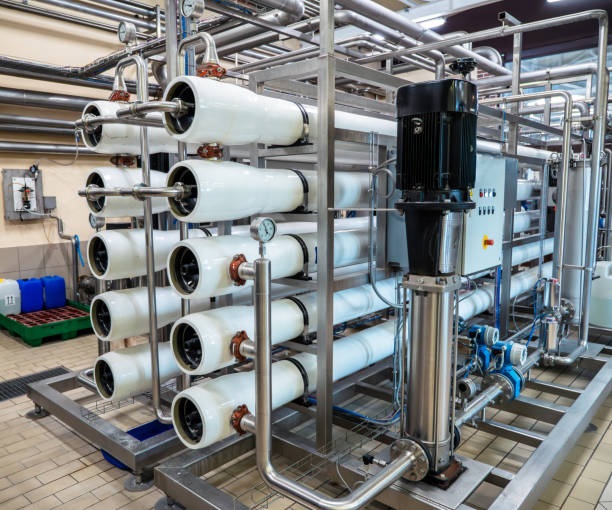
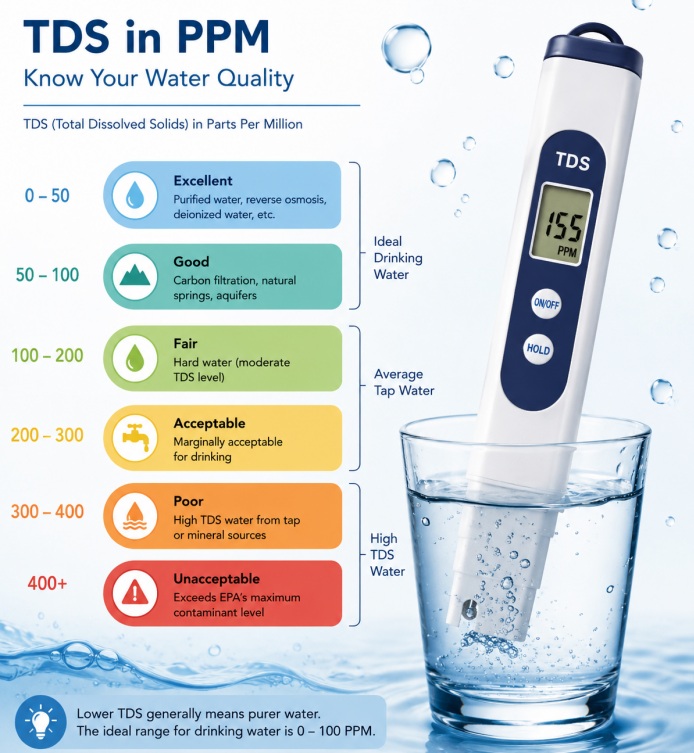
RO system for reducing TDS in water
|

Can Reverse Osmosis Treat High-TDS Water? Limits, Challenges & Solutions

Treating high-TDS water sounds uncomplicated until you really have to do it. When the quantity of dissolved solids exceeds a given threshold, the performance of conventional equipment starts to decline; membranes foul more quickly, energy consumption rises and the quality of the treated water may fall short of the required standard. Getting this wrong is…

electrodeionization (EDI) module
|

EDI vs Mixed Bed Ion Exchange: Which Is Better for Ultrapure Water?

If your process needs water above 15 MΩ·cm, this is a decision you’ve probably already run into: electrodeionization (EDI) or mixed bed ion exchange? Both technologies produce ultrapure water, but they get there through very different mechanisms, and the differences show up directly in operating costs, maintenance schedules, and how much chemical handling falls on…

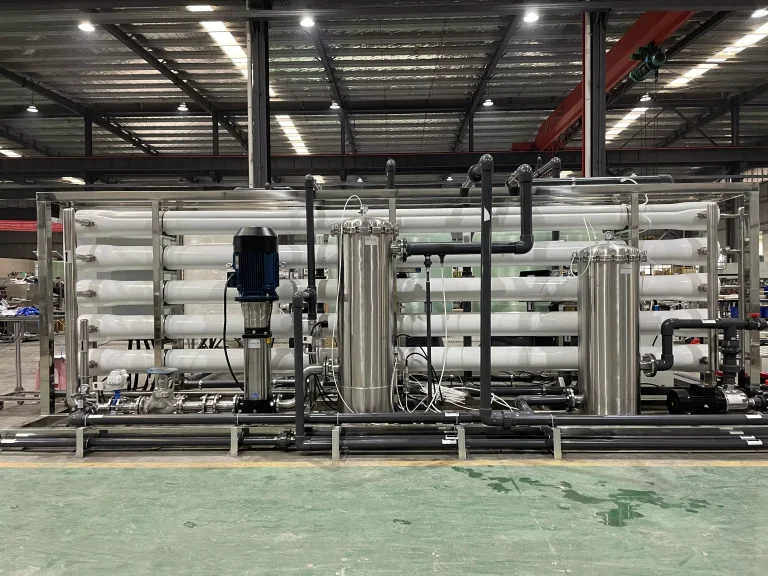
Industrial 25TPH Reverse Osmosis Pure Water Treatment System
|

Why Is Your Industrial RO System Running Slow? 5 Common Causes and Fixes

Your industrial reverse osmosis system rarely sounds an alarm when water production drops. This is usually a gradual change, such as tanks taking longer to fill, permeate flow readings trending lower week after week, or a tiny increase in operating pressure that is easily missed until it begins to impact production. It’s a common misconception to…

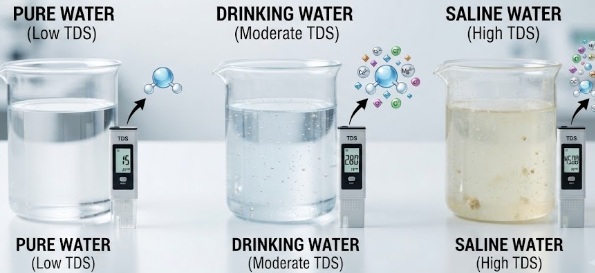
TDS in water
|

How to Reduce TDS in Water: Industrial Treatment Methods Compared

A high Total Dissolved Solids (TDS) levels in industrial water systems pose not just a nuisance, they can pose a significant danger to operational efficiency. From pipe and boiler scaling corrosion to a compromised purity of the product high levels of dissolved minerals could cause massive system failures and a rise in maintenance costs. To…

Zero Liquid Discharge (ZLD) Solutions
|

Best Zero Liquid Discharge (ZLD) Solutions Companies

Zero liquid discharge, or ZLD, is a wastewater treatment process that recovers nearly all usable water from industrial effluent and converts what’s left into solid waste — nothing goes back into the environment as liquid. Reaching that point takes more than a single piece of equipment: a working ZLD plant typically chains together pretreatment, membrane…

Microfiltration vs Ultrafiltration in Water Treatment
|

Microfiltration vs Ultrafiltration in Water Treatment: How to Choose?

If you’re comparing microfiltration and ultrafiltration for your facility, you already know both are membrane-based processes. What you actually need to figure out is which one fits your water, your treatment goals, and your budget. The answer comes down to three things: what’s in your feed water, what you’re trying to remove or protect downstream, and…

Ion Exchange Resin for High-Purity Water
|

Which Ion Exchange Resin Is Best for High-Purity Water?

The theoretical limit for water purity – a resistance of 18.25 MΩ·cm at 25°C – is the gold standard for semiconductor, pharmaceutical, and high-tech laboratory environments. While technologies such as Reverse Osmosis (RO) and Electrodeionization (EDI) are able to do the bulk of the lifting, the most essential barrier to pure water is Ion Exchange…

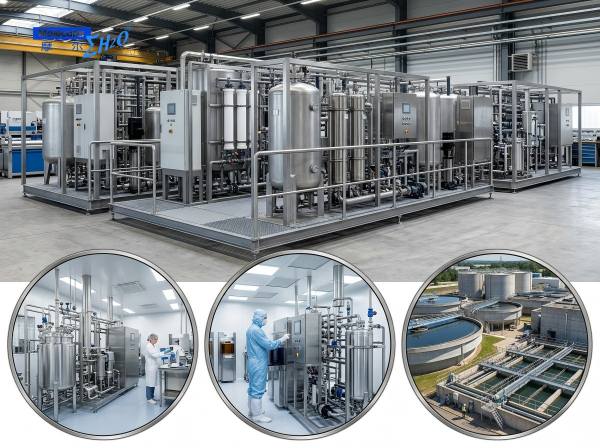
Modular Systems
|

Modular vs. Traditional Water Treatment Systems: Which Is Right for Your Project?

When a facility plans a new water treatment system, most people jump straight to talking about membranes or filtration technology. But the decision that actually shapes the whole project comes earlier: how the system gets built in the first place. A site-built plant and a modular, skid-mounted unit solve the same problem in very different…

End of content

End of content